Rougegorge familier
Rougegorge familier
Erithacus rubeculaAn orange-breasted garden companion, often following gardeners as they turn the soil.
9104 / 11068
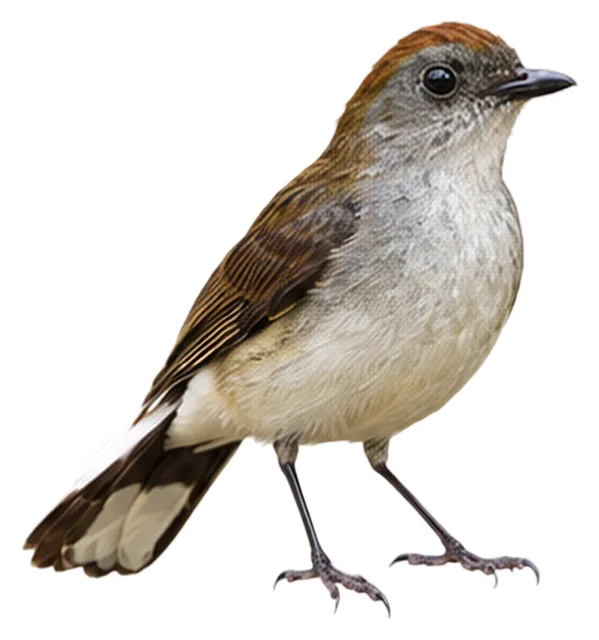
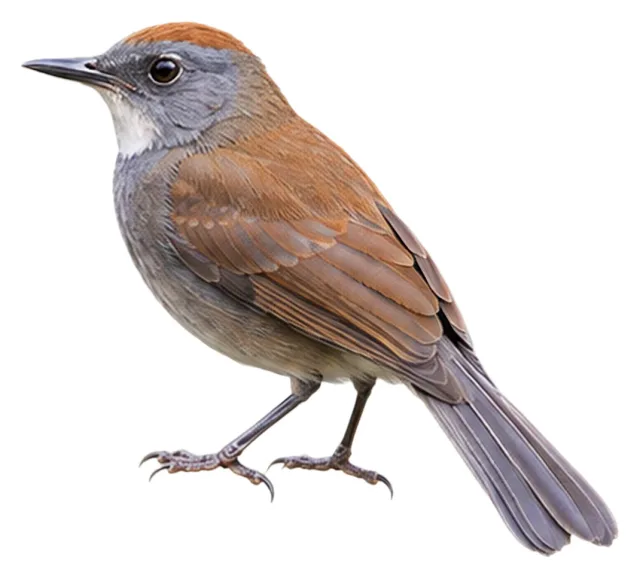
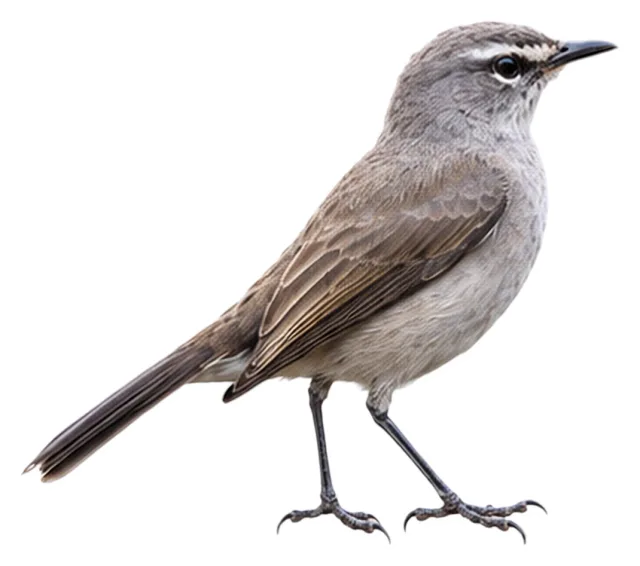
Illustration · non à l’échelle
- Longueur
- 12.5–14 cm
- Masse corporelle
- 17.7 g
- Envergure
- 21 cm
- Alimentation
- Omnivore
- Migration
- Migrateur
⚔️ Analyse de Combat Écologique
Bec adapté et vivacité d'action taillés pour la compétition alimentaire dans son habitat naturel (ATQ 58).
Légèreté et plumage camouflé privilégiant l'esquive et la fuite rapide plutôt que l'encaissement de coups (DÉF 42).
* Ces textes interprètent des capacités de jeu, pas une force physique mesurée. Les scores utilisent masse, rareté et équilibrage ; les cartes d’origine gardent leurs valeurs manuelles.
Comment l’identifier
Adults have the familiar orange-red breast; juveniles lack it and have spotted brown plumage.
🌍 Répartition et Habitat
9 · Sous-espèces et répartition
- Erithacus rubecula melophilus
British Isles
- Erithacus rubecula rubecula
Azores, Madeira and w Canary Is. (n to c Macaronesia, nw of n Africa), continental Europe to Ural Mts., w Turkey and nw Morocco
- Erithacus rubecula superbus
Tenerife (c Canary Is., c Macaronesia, nw of n Africa)
- Erithacus rubecula marionae
Gran Canaria (c Canary Is., c Macaronesia, nw of n Africa)
- Erithacus rubecula witherbyi
n Algeria and n Tunisia
- Erithacus rubecula valens
s Crimean Pen. (s Ukraine)
- Erithacus rubecula caucasicus
e Turkey and the Caucasus
- Erithacus rubecula hyrcanus
se Azerbaijan and n Iran
- Erithacus rubecula tataricus
Ural Mts. and sw Siberia
Sources et crédits
📖 Lire l'article complet sur Wikipédia- IOC World Bird List 15.2 ↗
- AVONET ↗
- Longueur: Wikipedia ↗
- Crédits de l’illustration ↗ · huashu-bird-sticker · PolyForm-Shield-1.0.0
- Référence de l’illustration ↗ · Philip Mark Osso · CC BY-NC
Field identification notes
European Robin field notes: the adult breast, spotted juveniles and territorial behaviour.
- Identification
- Adults have the familiar orange-red breast; juveniles lack it and have spotted brown plumage.
- Where to look
- The guide records woodland, park and garden birds, sometimes following disturbed soil.
- Comparison points
- The sexes look alike. Do not use breast colour alone to sex a bird; consider juvenile plumage first.
- Observation tip
- Note song posts and responses to intruders; the species can defend territories vigorously.
Source checked 2026-11-02: RSPB · European Robin. Regional observations in the source are not global population assessments.