BIRDGACHA / FIELD NOTES
Australian Mudnesters
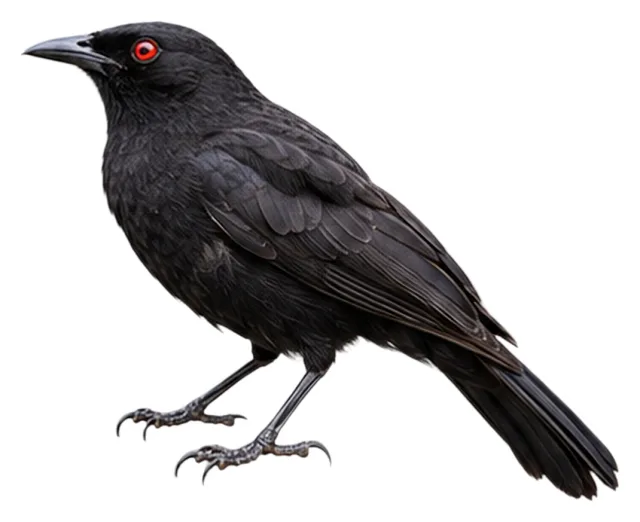
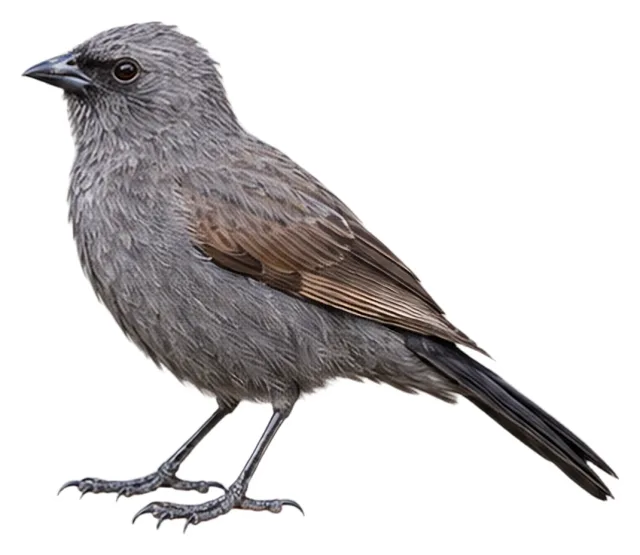
Australian mudnesters include the White-winged Chough and Apostlebird, social ground-foraging birds with very different colour patterns. Choughs are black with conspicuous white wing patches in flight, while Apostlebirds have greyish bodies, brownish wings and relatively short, stout bills. The two species in this catalogue are White-winged Chough (Corcorax melanorhamphos) and Apostlebird (Struthidea cinerea). Groups search the ground for invertebrates and other food, and cooperative behaviour is especially noticeable around nesting and feeding. Watch a moving group long enough to compare bill shape and any white wing flashes.
How to recognize Australian Mudnesters
- Separate glossy black choughs from grey-and-brown Apostlebirds.
- Compare the chough's curved bill with the Apostlebird's stouter bill.
- Look for white wing flashes and coordinated ground feeding in groups.
Where they live
The family occurs in Australia, especially eastern and southeastern mainland landscapes. Open forests, woodland and associated cleared or lightly wooded ground supply feeding space and trees for nesting. The two species have different distributions within Australia, and suitable ground cover and nearby water or mud can influence local activity. Their common name refers to mud-built nests, but a nest should be observed from a distance without disturbing the attending group.
Species accounts: White-winged Chough · Apostlebird
Sources — natural history: Wikipedia: Australian Mudnesters · Cornell Birds of the World: White-winged Chough (Corcorax melanorhamphos), species natural history.
Classification: IOC World Bird List: family names and classification.
Some Cornell Birds of the World account sections require a subscription.
Updated 2026-11-06. Species counts follow this site's catalogue. This is an editorial summary, not an expert peer review.
Species records retain their original English, Chinese and scientific names.
2 results · page 1 of 1