
BIRDGACHA / FIELD NOTES
Finches, Euphonias
Start with the bill when comparing finches: its size and shape often explain how the bird obtains food. Common Chaffinch, European Goldfinch and Red Crossbill provide three distinct examples, from a sturdy general seed-eating bill to a finer point and the crossed tips used to work on conifer cones. Many finches also have useful wingbars, coloured wing panels or contrasting head patterns. Birds can gather in mobile feeding flocks, making flight calls valuable when views are brief. The family contains much more variation than the familiar garden seed feeder suggests, including groups whose diets and proportions differ from typical seed-eating finches.
How to recognize Finches and Euphonias
- Compare bill depth, width and the shape of its tip before relying on bright plumage.
- Look for pale wingbars or coloured panels when the bird stretches or takes flight.
- Check the head and rump pattern, remembering that males, females and young can differ.
- Watch the food being handled; cone-working crossbills offer a particularly distinctive example.
Where they live
Finches use woodland, forest edges, gardens, open ground and mountain habitats in different parts of the world. Common Chaffinch is familiar in wooded European landscapes, while European Goldfinch often visits seed-bearing plants in more open places. Red Crossbill is closely linked to conifers and can move in response to cone crops. Other members, including tropical euphonias and specialised island birds, have different feeding needs. Seasonal food supplies help explain why a flock may appear in one area and then move elsewhere.
Species accounts: Eurasian Chaffinch · European Goldfinch · Red Crossbill
Sources — natural history: BTO: finches · BTO: Goldfinch · Cornell Lab: Red Crossbill.
Classification: IOC World Bird List: family names and classification.
Updated 2026-11-06. Species counts follow this site's catalogue. This is an editorial summary, not an expert peer review.
Species records retain their original English, Chinese and scientific names.
219 results · page 1 of 5
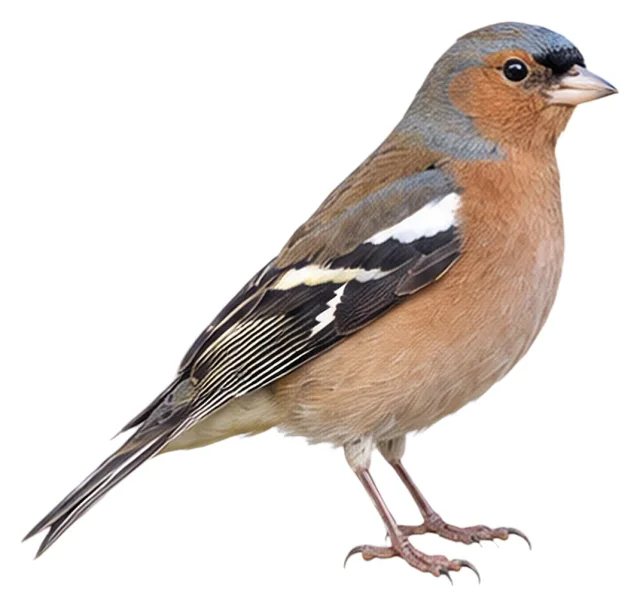 Eurasian ChaffinchFringilla coelebs
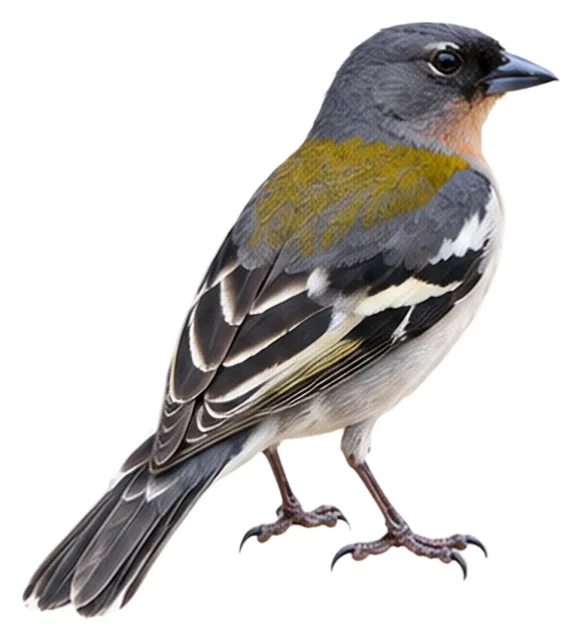 African ChaffinchFringilla spodiogenys
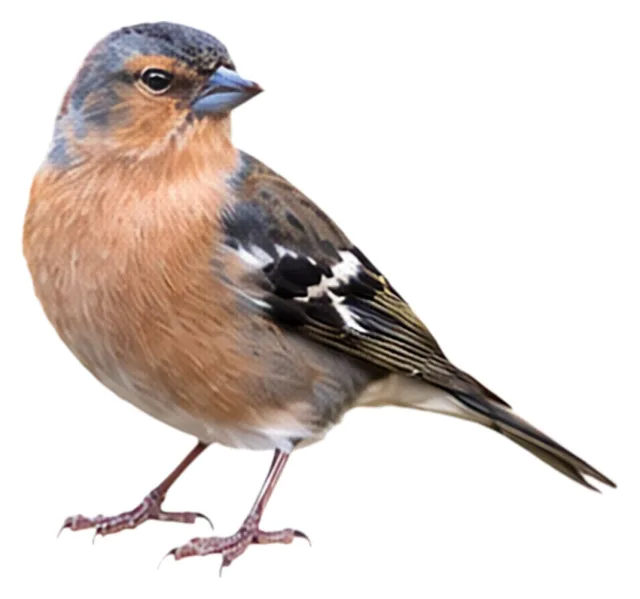 Azores ChaffinchFringilla moreletti
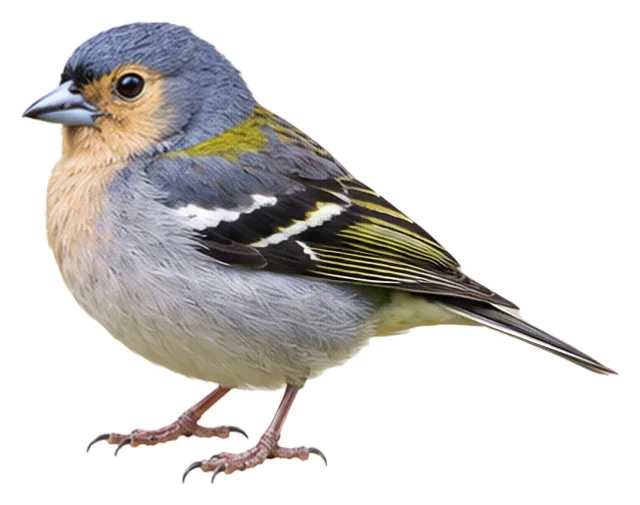 Madeira ChaffinchFringilla maderensis
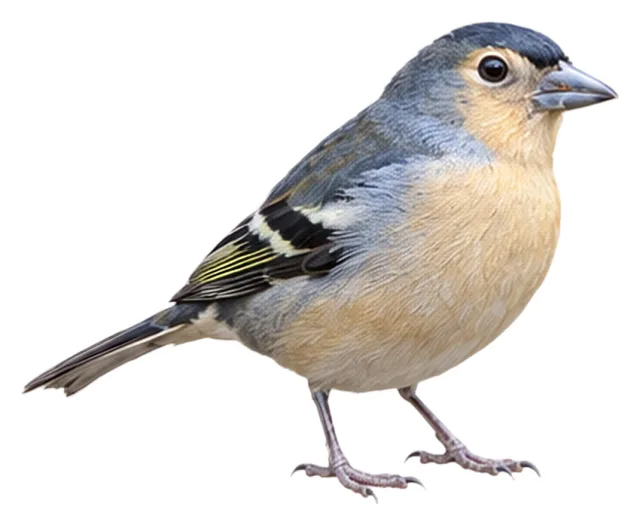 Canary Islands ChaffinchFringilla canariensis
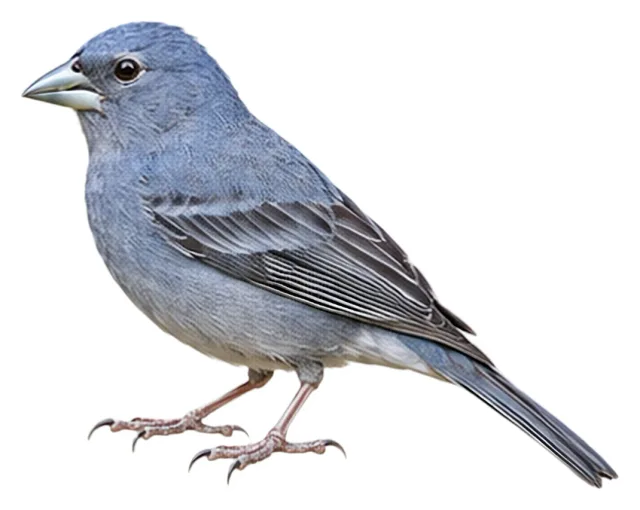 Tenerife Blue ChaffinchFringilla teydea
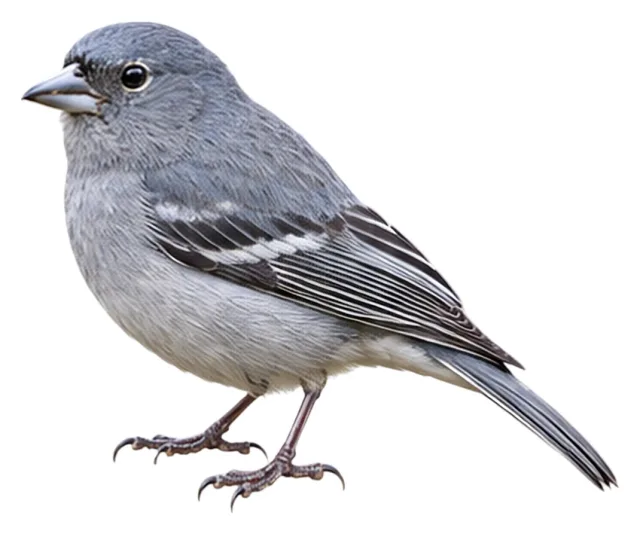 Gran Canaria Blue ChaffinchFringilla polatzeki
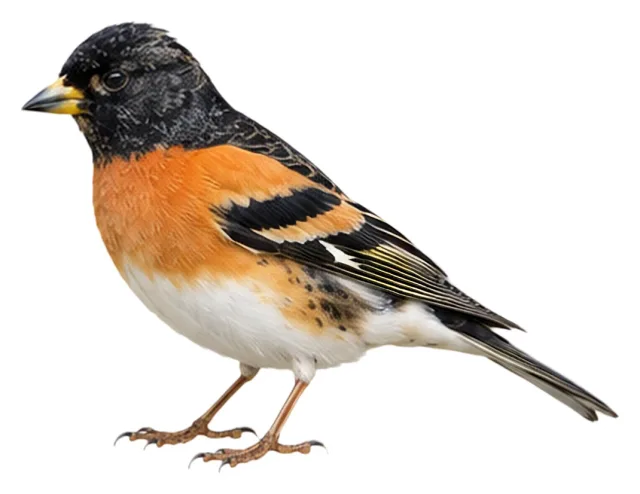 BramblingFringilla montifringilla
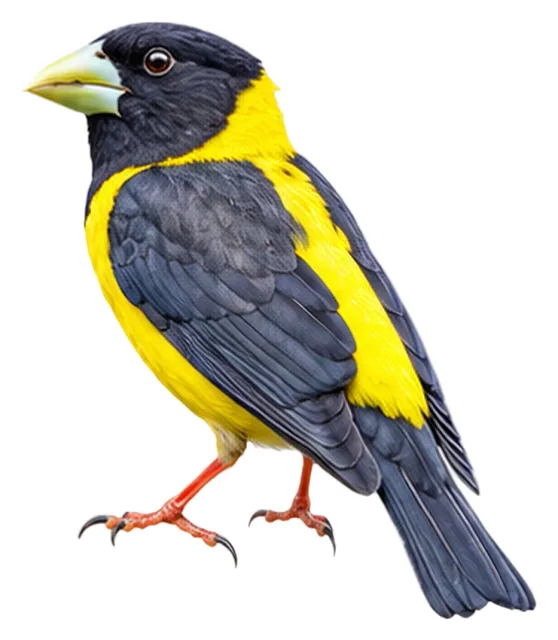 Black-and-yellow GrosbeakMycerobas icterioides
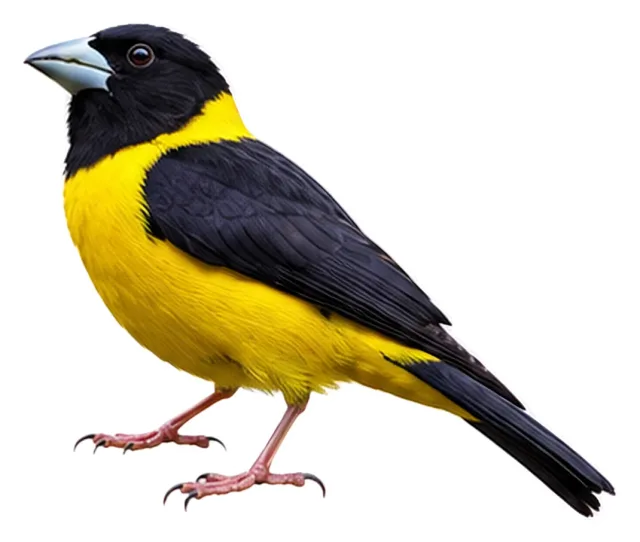 Collared GrosbeakMycerobas affinis
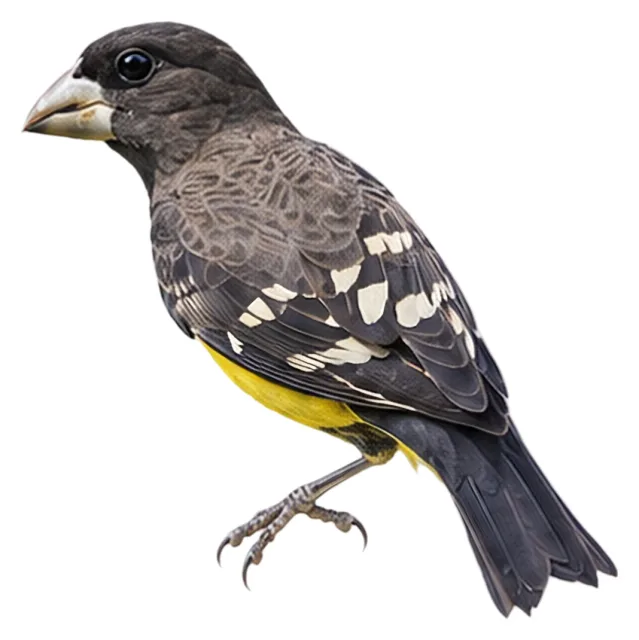 Spot-winged GrosbeakMycerobas melanozanthos
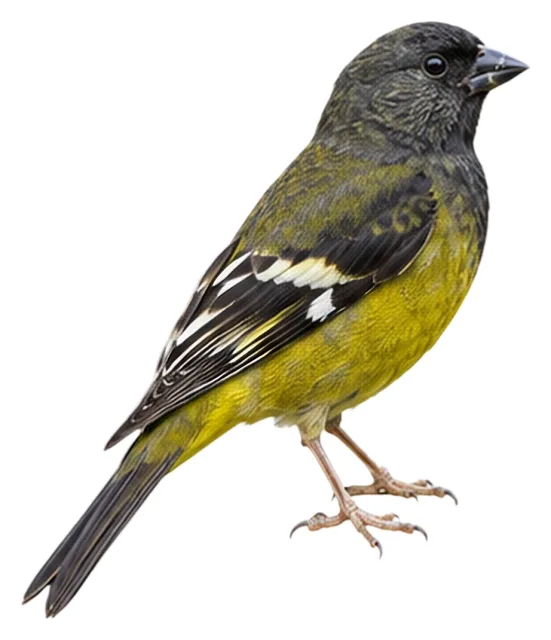 White-winged GrosbeakMycerobas carnipes
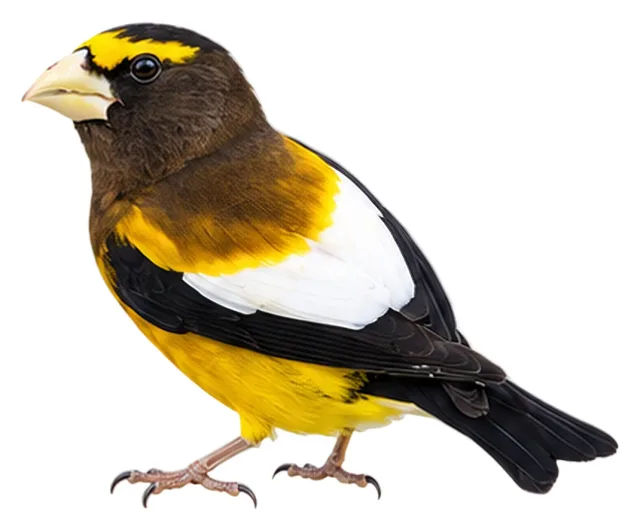 Evening GrosbeakHesperiphona vespertina
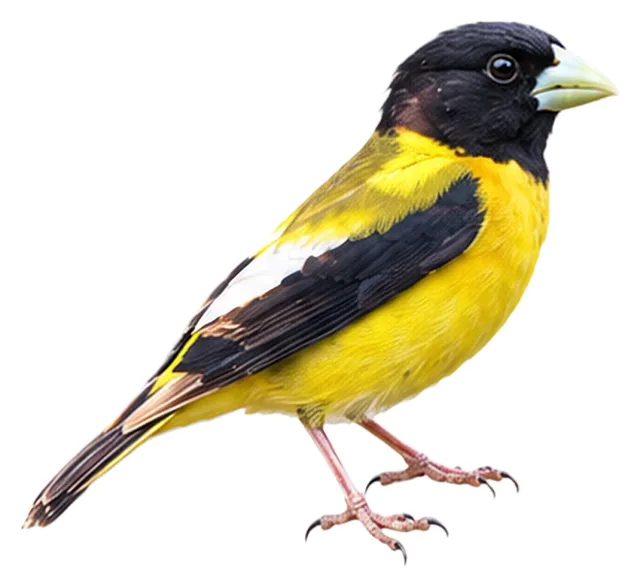 Hooded GrosbeakHesperiphona abeillei
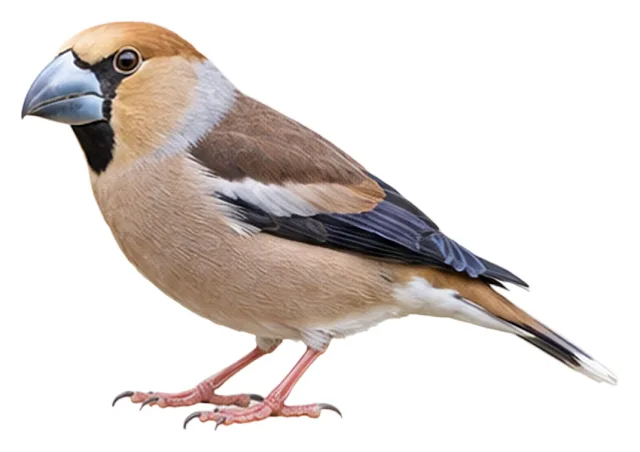 HawfinchCoccothraustes coccothraustes
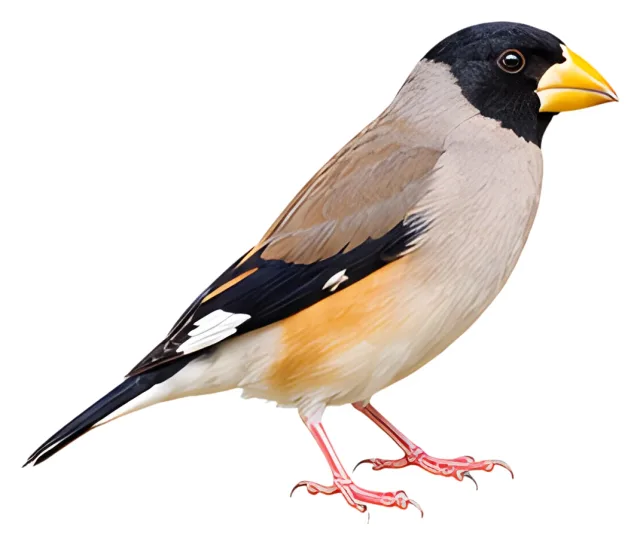 Chinese GrosbeakEophona migratoria
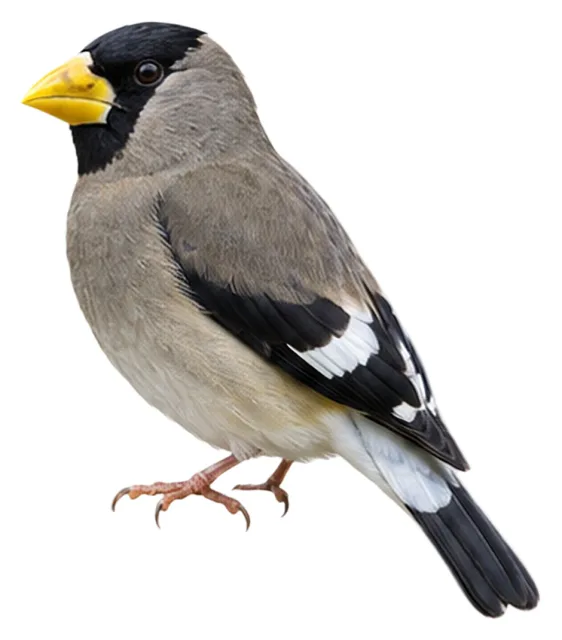 Japanese GrosbeakEophona personata
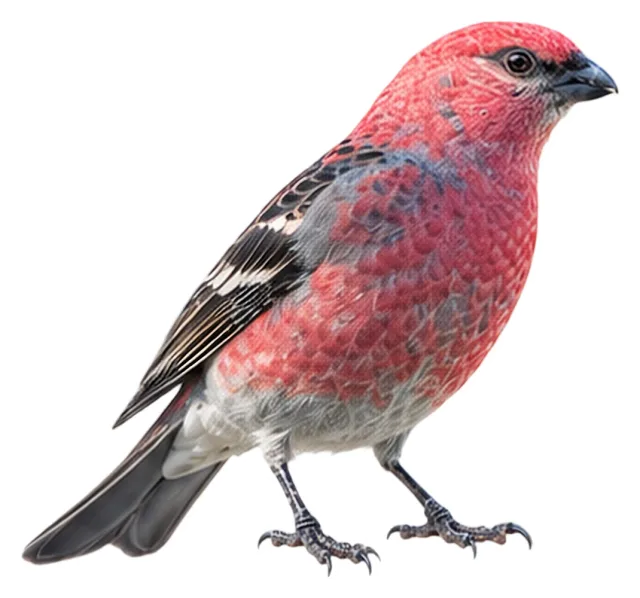 Pine GrosbeakPinicola enucleator
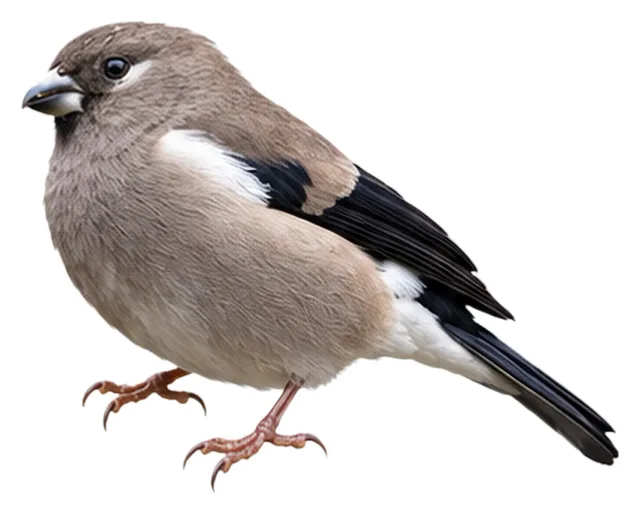 Brown BullfinchPyrrhula nipalensis
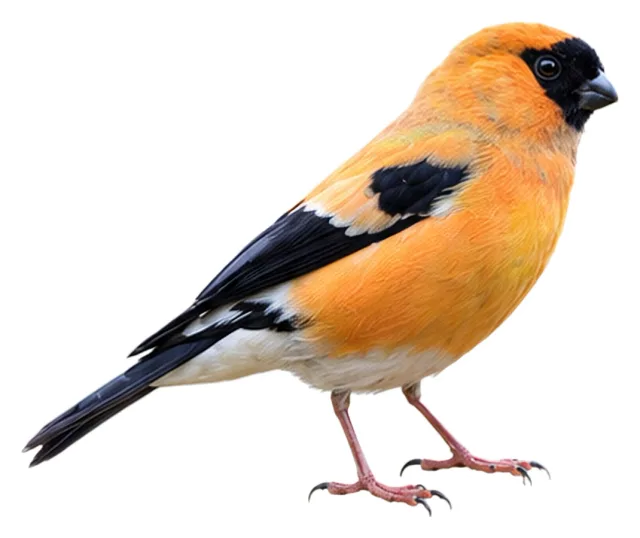 Orange BullfinchPyrrhula aurantiaca
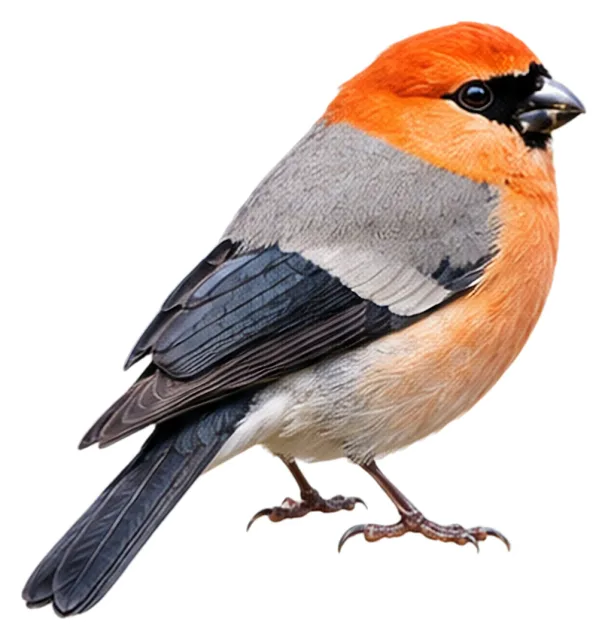 Red-headed BullfinchPyrrhula erythrocephala
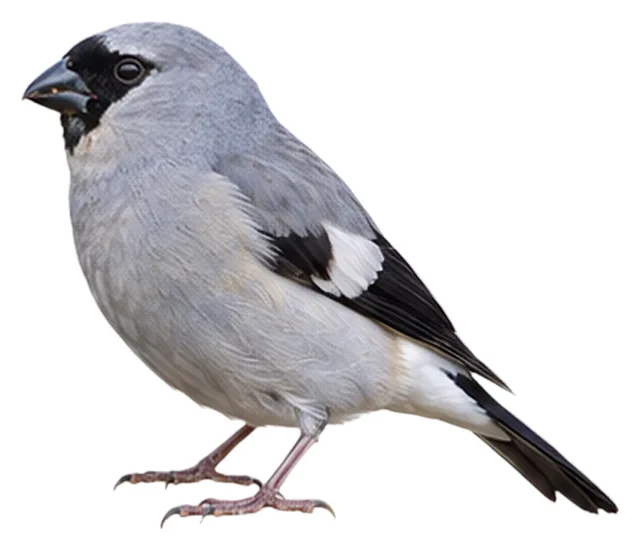 Grey-headed BullfinchPyrrhula erythaca
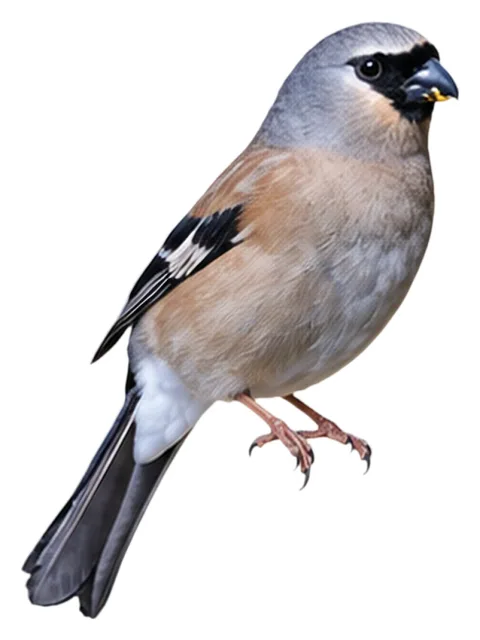 Taiwan BullfinchPyrrhula owstoni
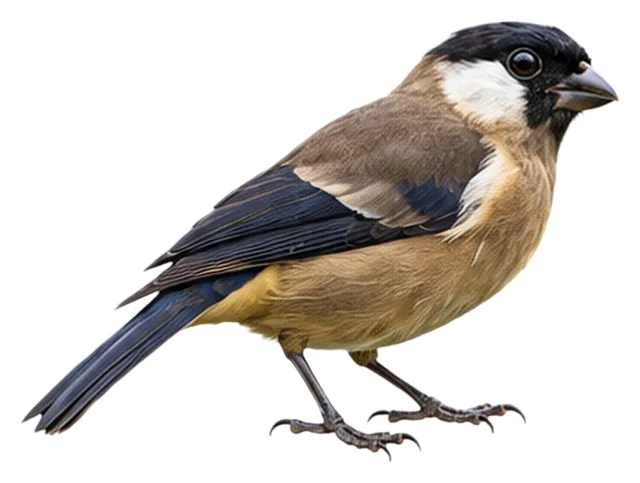 White-cheeked BullfinchPyrrhula leucogenis
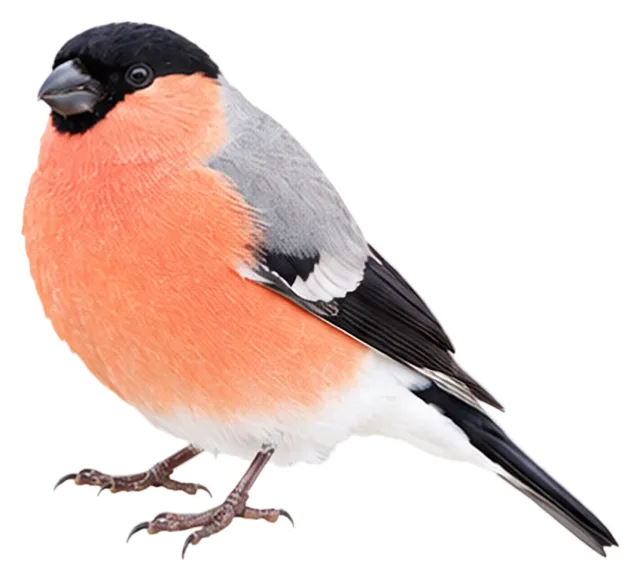 Eurasian BullfinchPyrrhula pyrrhula
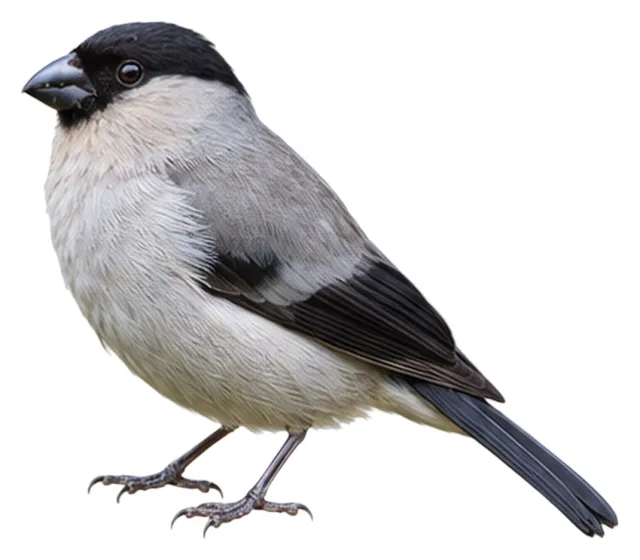 Azores BullfinchPyrrhula murina
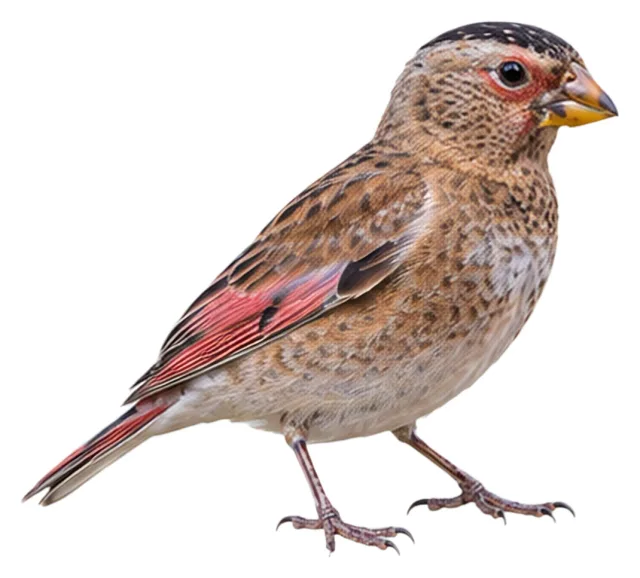 Crimson-winged FinchRhodopechys sanguineus
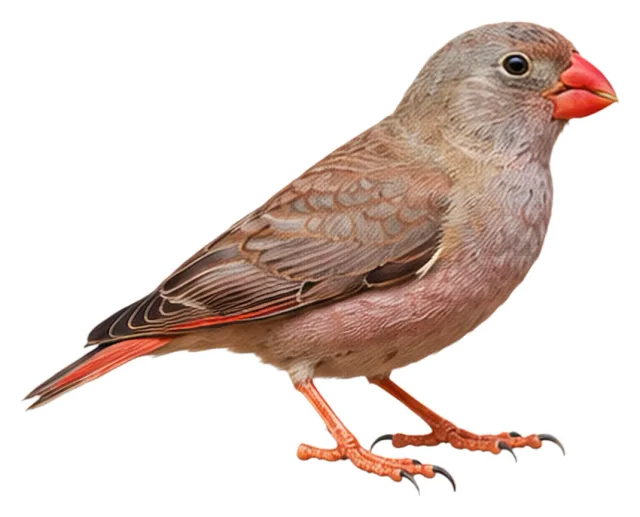 Trumpeter FinchBucanetes githagineus
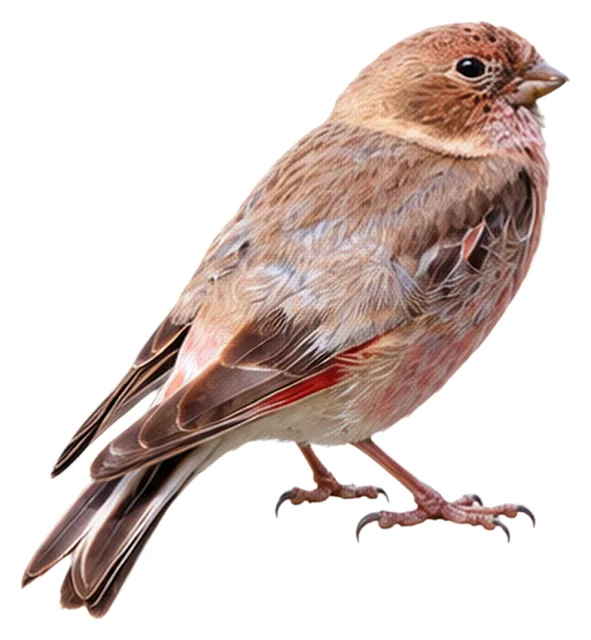 Mongolian FinchBucanetes mongolicus
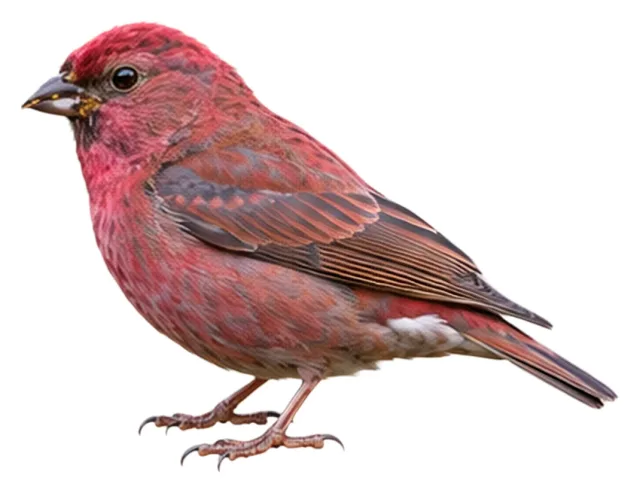 Blanford's RosefinchAgraphospiza rubescens
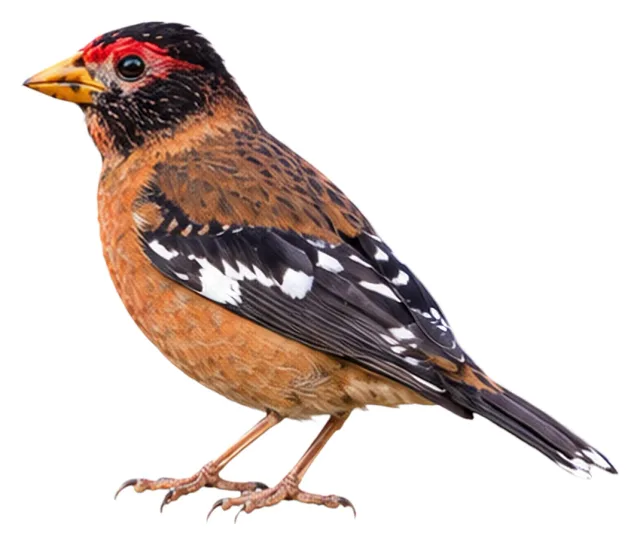 Spectacled FinchCallacanthis burtoni
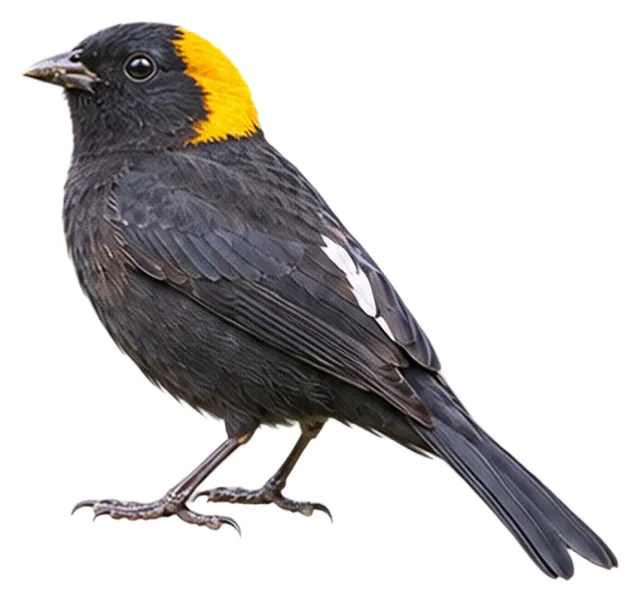 Golden-naped FinchPyrrhoplectes epauletta
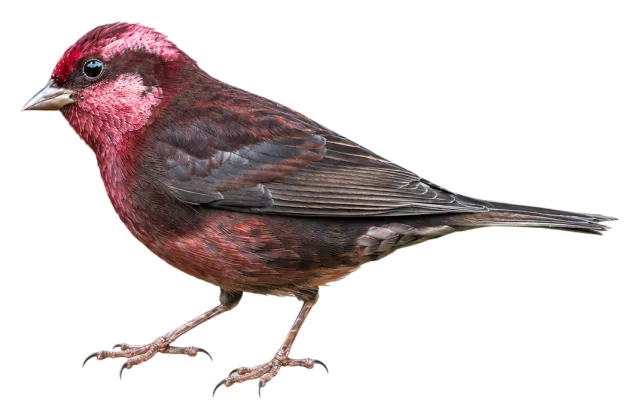 Dark-breasted RosefinchProcarduelis nipalensis
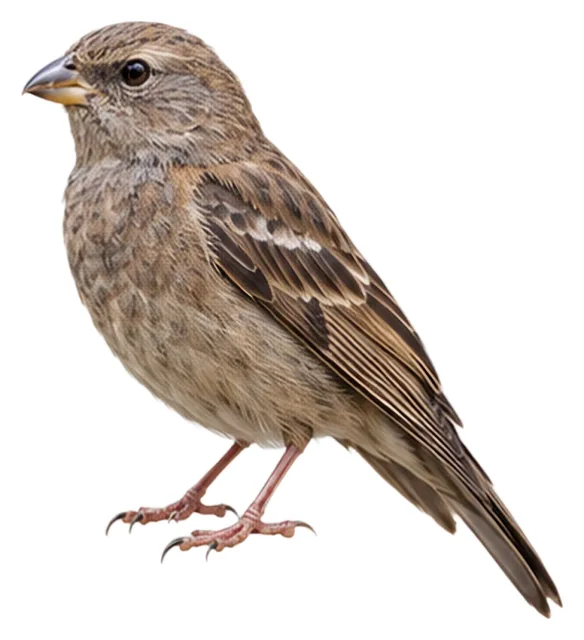 Plain Mountain FinchLeucosticte nemoricola
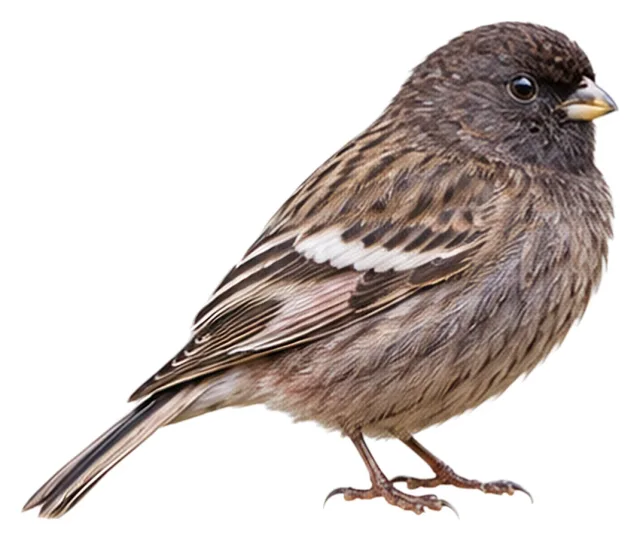 Brandt's Mountain FinchLeucosticte brandti
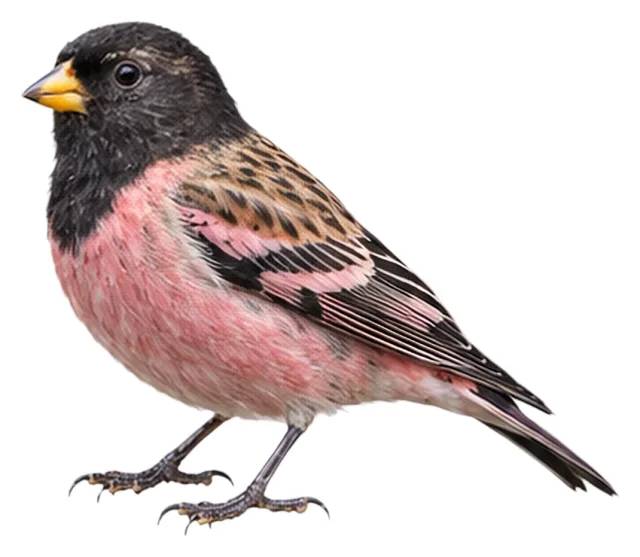 Asian Rosy FinchLeucosticte arctoa
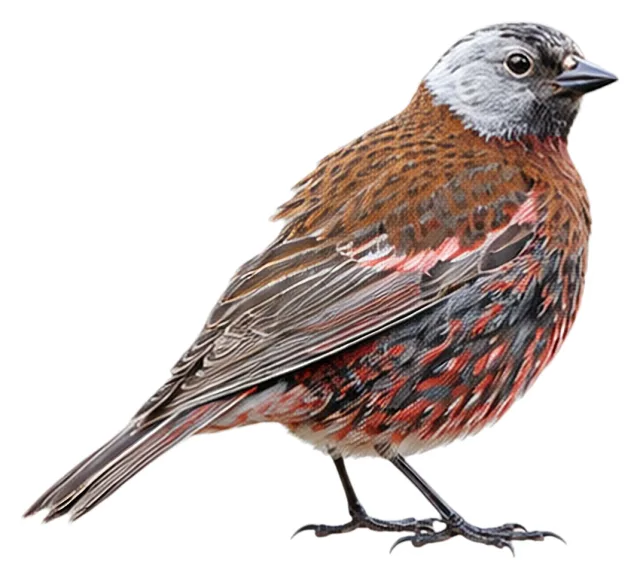 Grey-crowned Rosy FinchLeucosticte tephrocotis
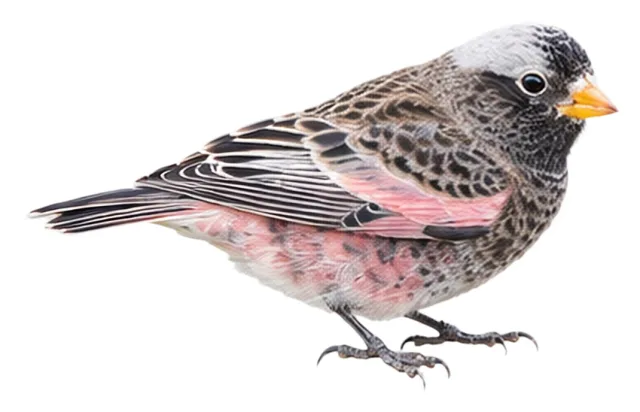 Black Rosy FinchLeucosticte atrata
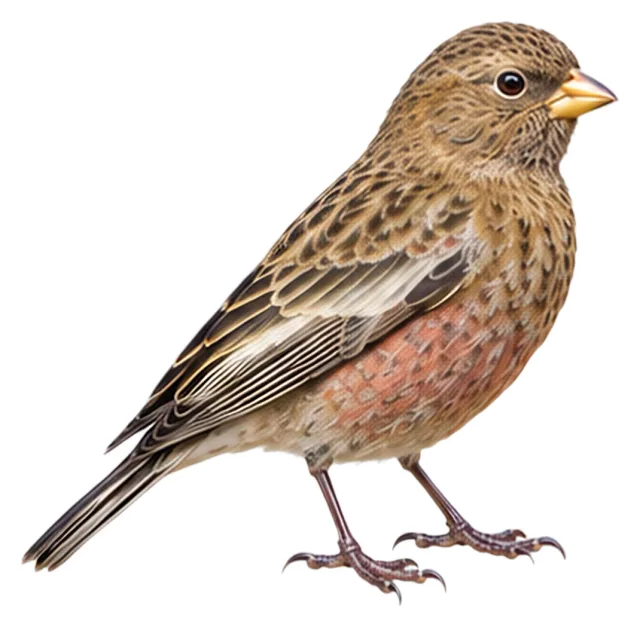 Brown-capped Rosy FinchLeucosticte australis
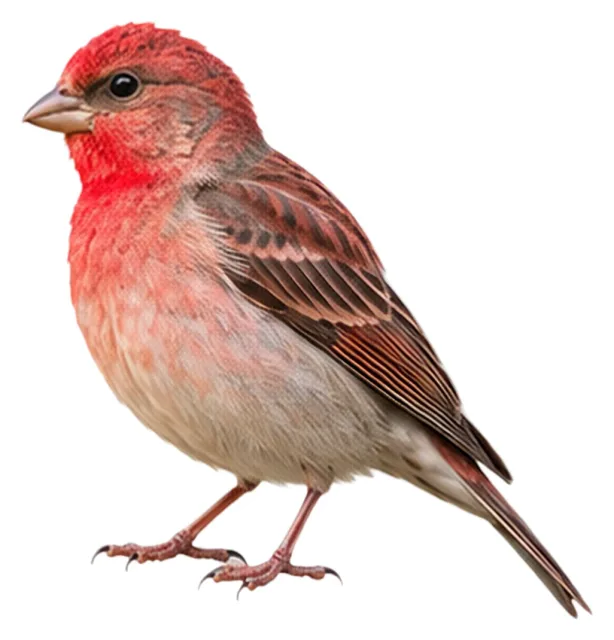 Common RosefinchCarpodacus erythrinus
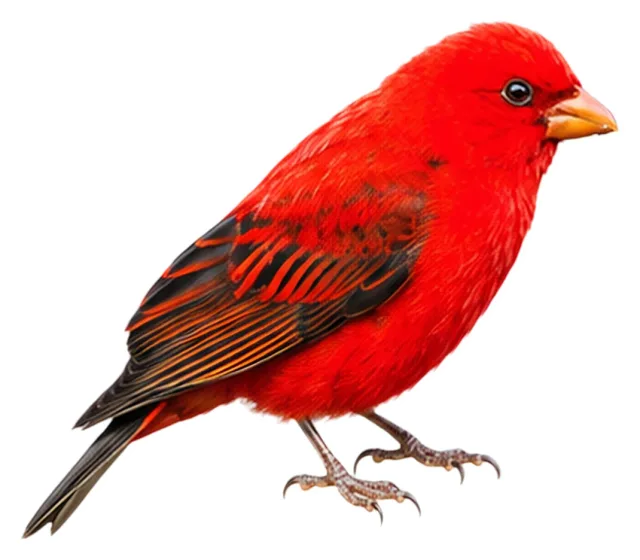 Scarlet FinchCarpodacus sipahi
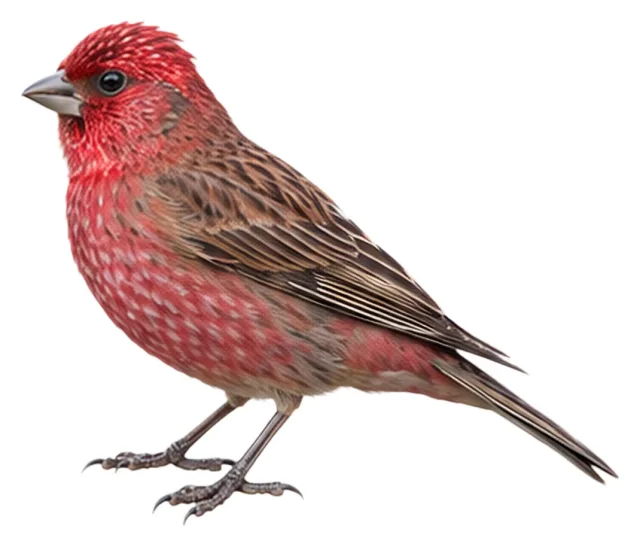 Streaked RosefinchCarpodacus rubicilloides
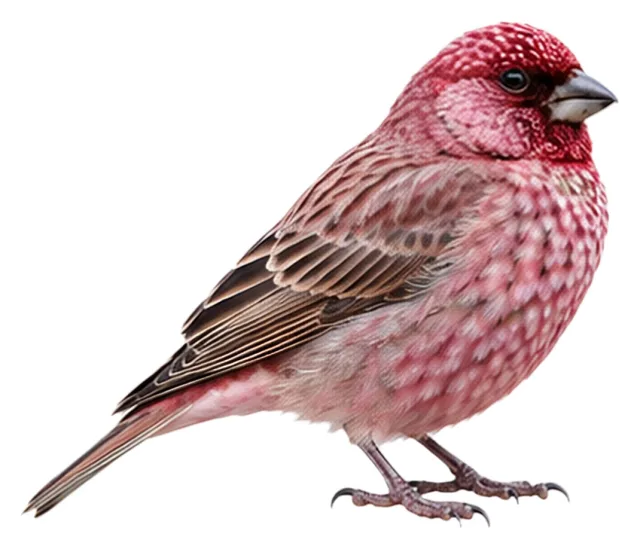 Great RosefinchCarpodacus rubicilla
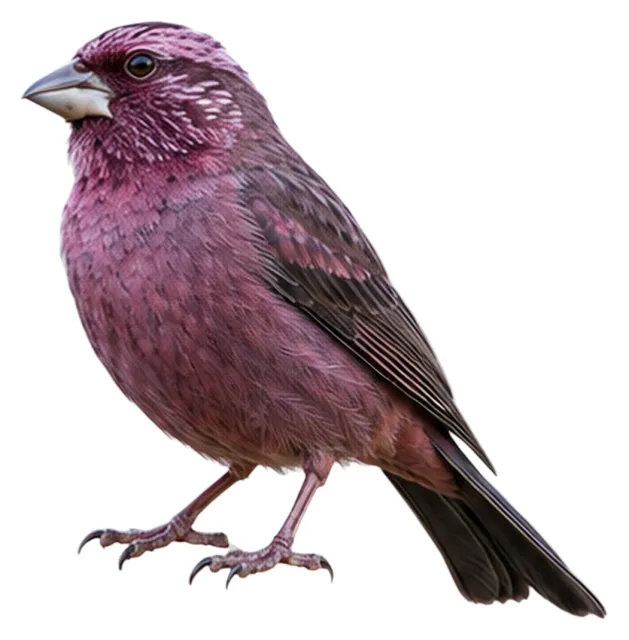 Blyth's RosefinchCarpodacus grandis
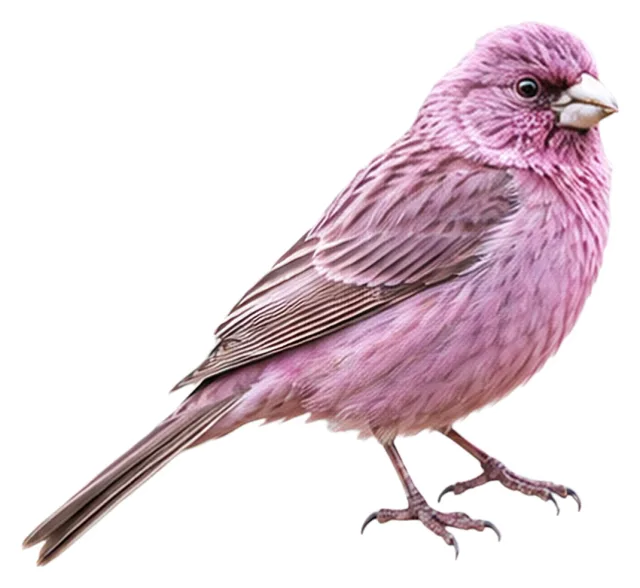 Red-mantled RosefinchCarpodacus rhodochlamys
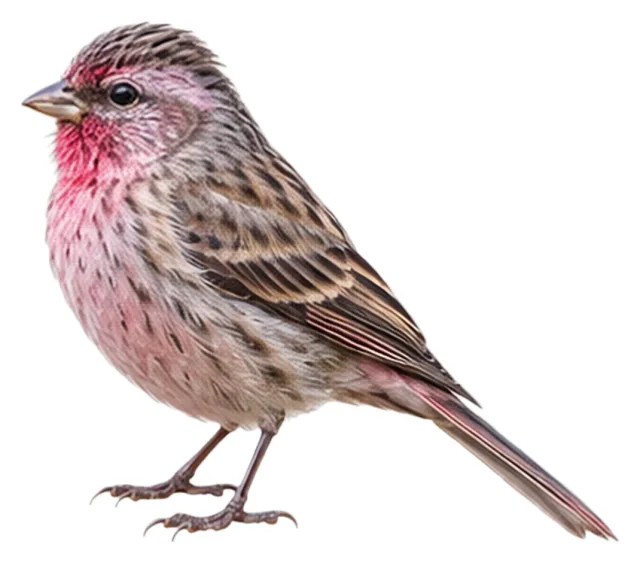 Himalayan Beautiful RosefinchCarpodacus pulcherrimus
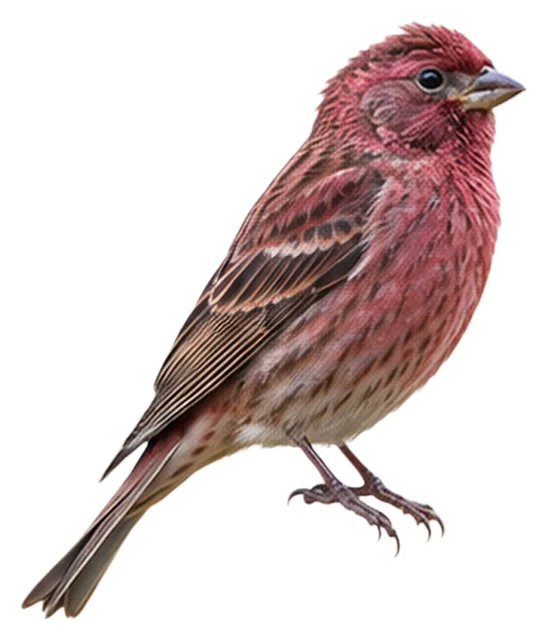 Chinese Beautiful RosefinchCarpodacus davidianus
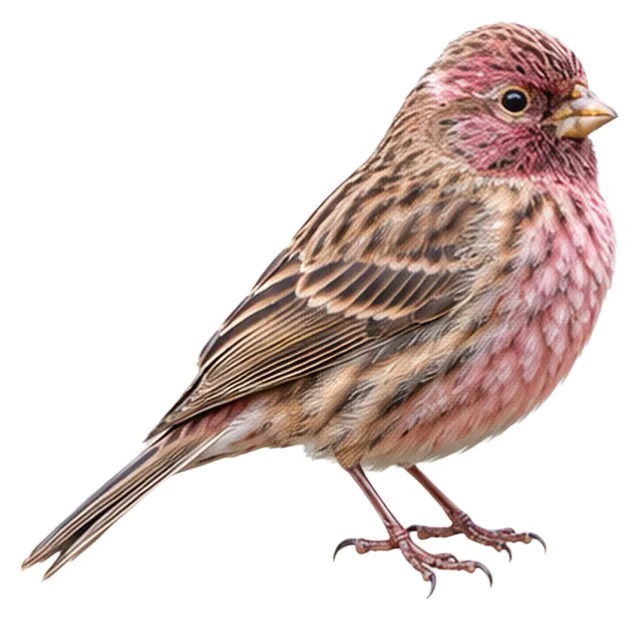 Pink-rumped RosefinchCarpodacus waltoni