
BIRDGACHA / FIELD NOTES
Honeyeaters
Honeyeaters form a diverse Australasian radiation, including small spinebills, large friarbirds and many less conspicuous forms. Bill length and curvature vary greatly, while facial patches, bare skin and streaking provide additional distinctions. Examples include Dark-eared Myza (Myza celebensis), Eastern Spinebill (Acanthorhynchus tenuirostris), and Green-backed Honeyeater (Glycichaera fallax). Nectar is important to many species, but insects and other foods also contribute substantially. Brush-tipped tongues assist nectar collection. Active flower visits can involve territorial chasing or movements between temporary food supplies, so the family includes both specialised-looking nectar feeders and birds with broader feeding habits.
How to recognize Honeyeaters
- Bill: bills varying from short to long and curved.
- Outline: diverse bodies with varied facial patches.
- Feeding: taking nectar, insects and sometimes fruit.
Where they live
Australia, New Guinea and surrounding Pacific islands support honeyeaters across an exceptional range of vegetation. Rainforest, alpine scrub, dry woodland, heath, mangroves and gardens each hold different members. Flowering schedules can cause birds to gather temporarily or move between districts. In New Guinea, elevation separates many species, while Australian dry-country populations often respond to patchy nectar supplies. A flowering tree therefore gives a temporary feeding opportunity within a larger habitat mosaic.
Species accounts: Dark-eared Myza · Eastern Spinebill · Green-backed Honeyeater
Sources — natural history: Wikipedia: Honeyeaters natural history · Cornell Birds of the World: Dark-eared Myza species account · Don Roberson: Honeyeaters field observations and natural history.
Classification: IOC World Bird List: family names and classification.
Some Cornell Birds of the World account sections require a subscription.
Updated 2026-11-06. Species counts follow this site's catalogue. This is an editorial summary, not an expert peer review.
Species records retain their original English, Chinese and scientific names.
194 results · page 1 of 5
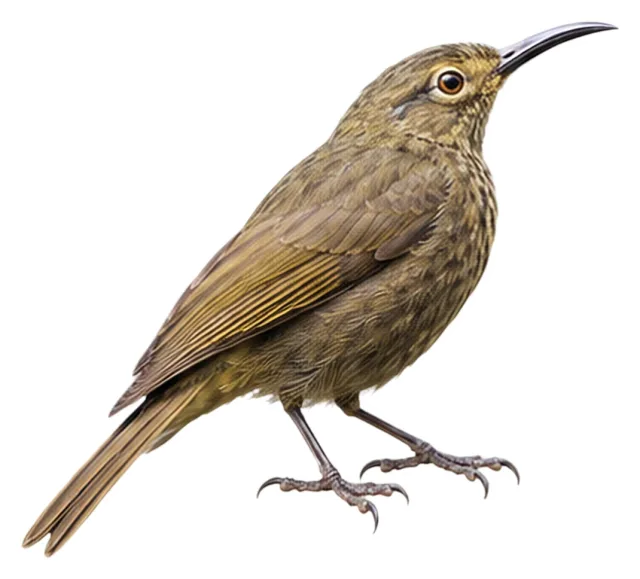 Dark-eared MyzaMyza celebensis
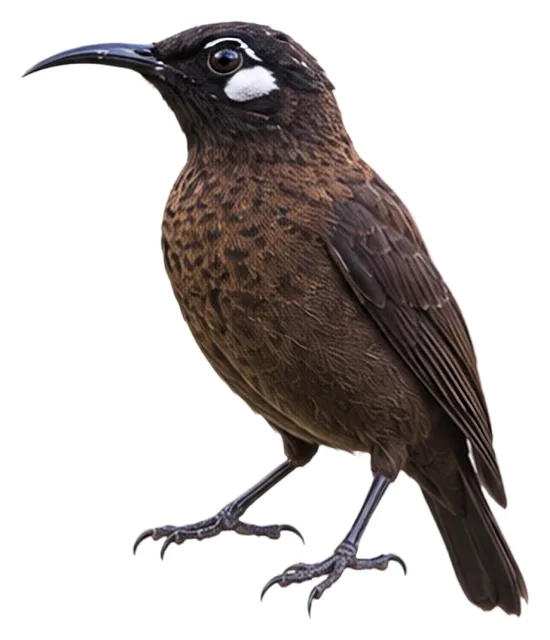 White-eared MyzaMyza sarasinorum
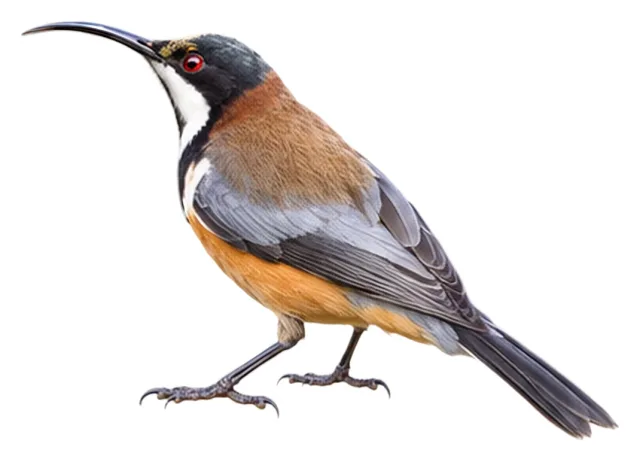 Eastern SpinebillAcanthorhynchus tenuirostris
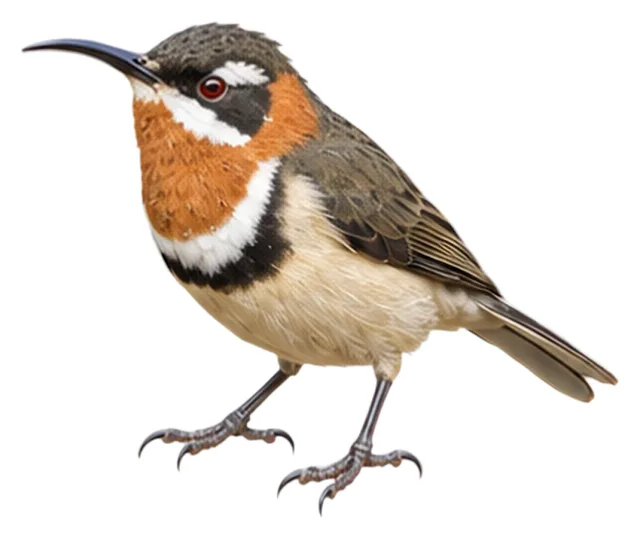 Western SpinebillAcanthorhynchus superciliosus
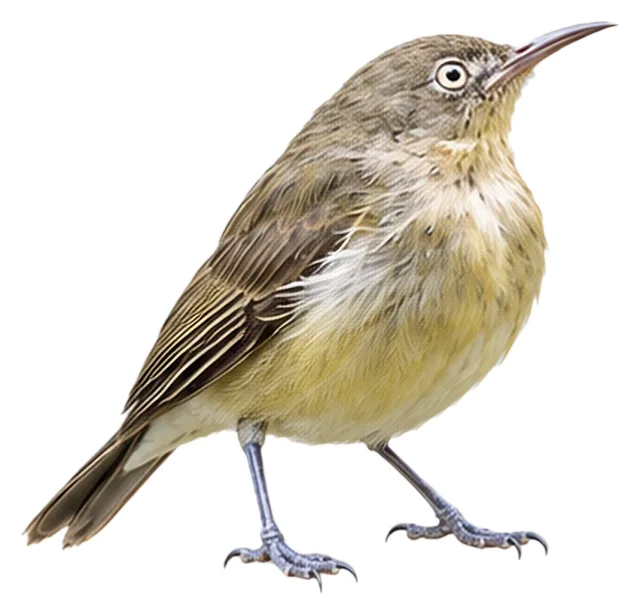 Green-backed HoneyeaterGlycichaera fallax
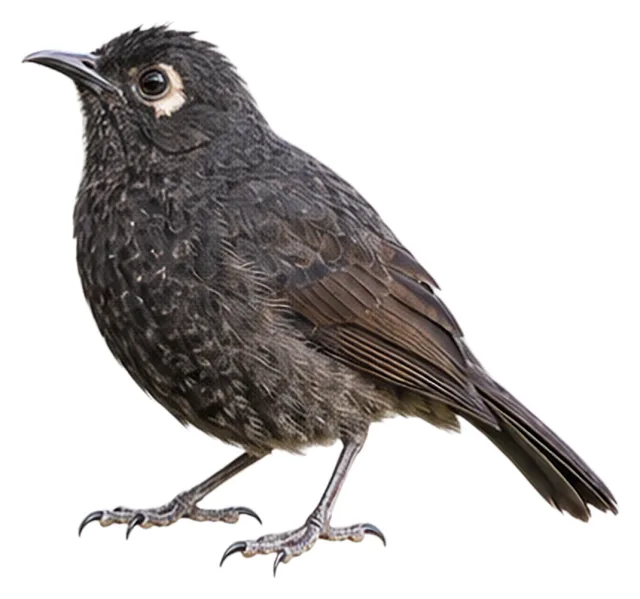 Sooty HoneyeaterMelionyx fuscus
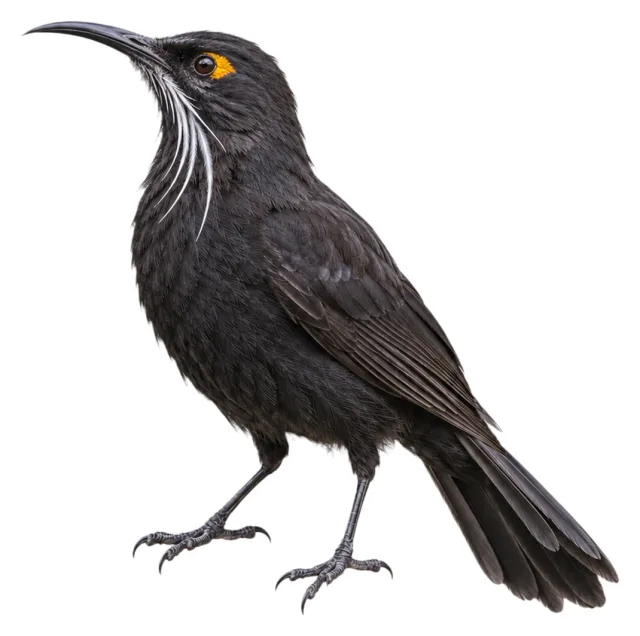 Long-bearded HoneyeaterMelionyx princeps
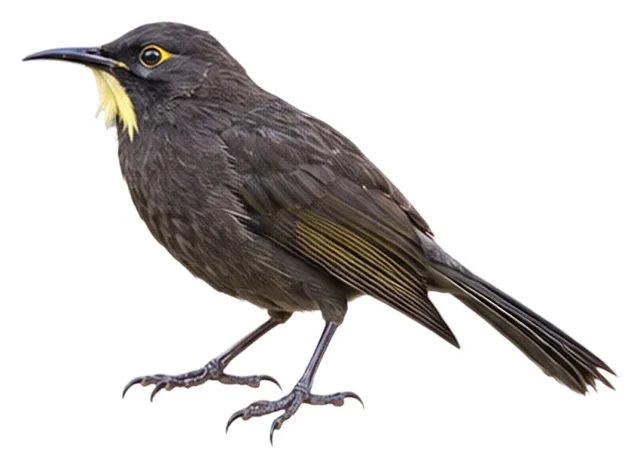 Short-bearded HoneyeaterMelionyx nouhuysi
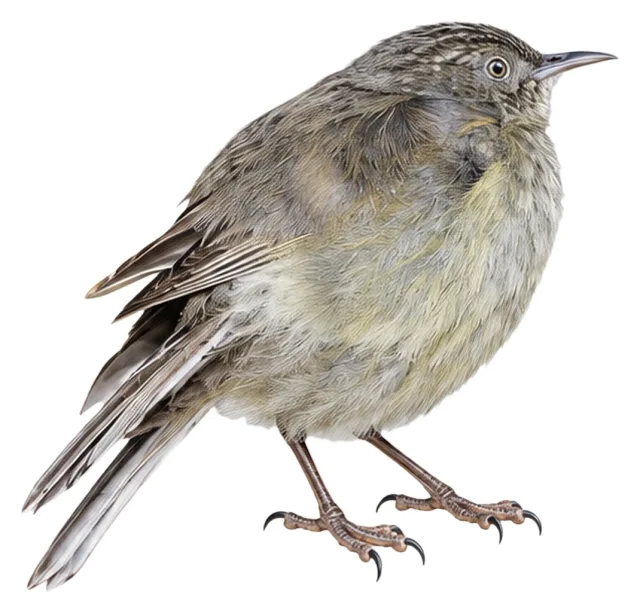 Leaden HoneyeaterPtiloprora plumbea
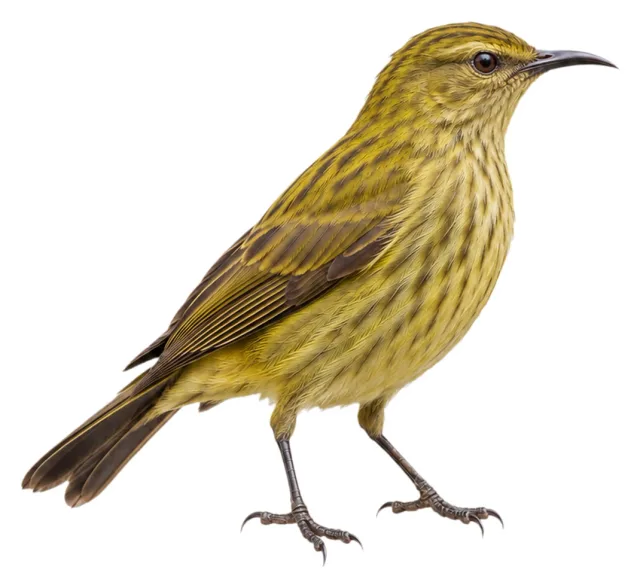 Yellowish-streaked HoneyeaterPtiloprora meekiana
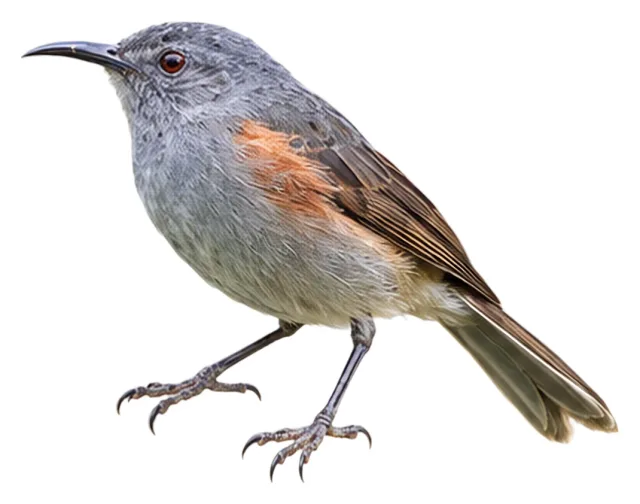 Rufous-sided HoneyeaterPtiloprora erythropleura
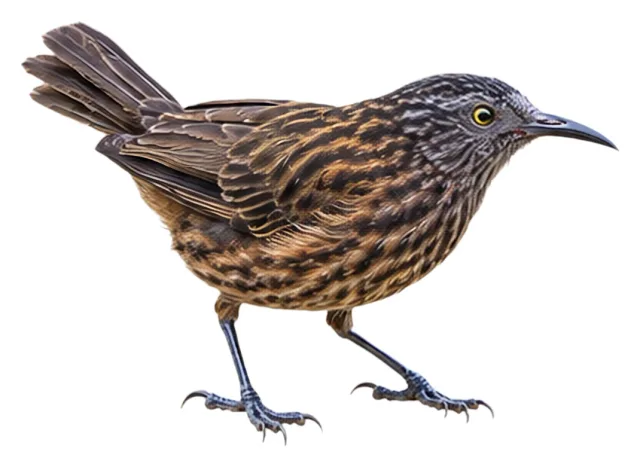 Rufous-backed HoneyeaterPtiloprora guisei
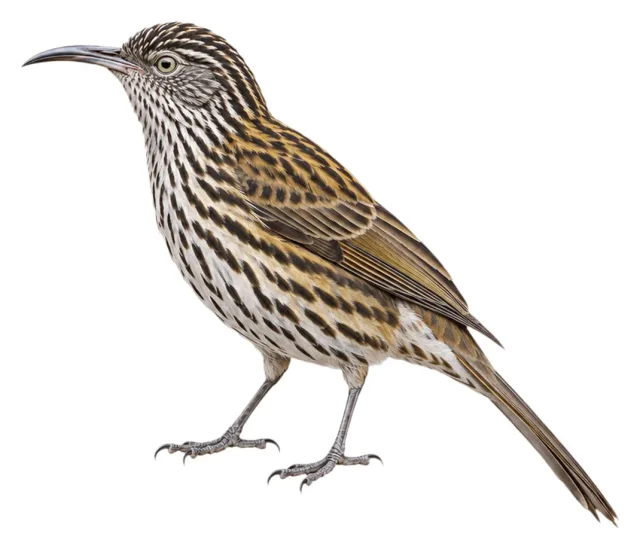 Mayr's HoneyeaterPtiloprora mayri
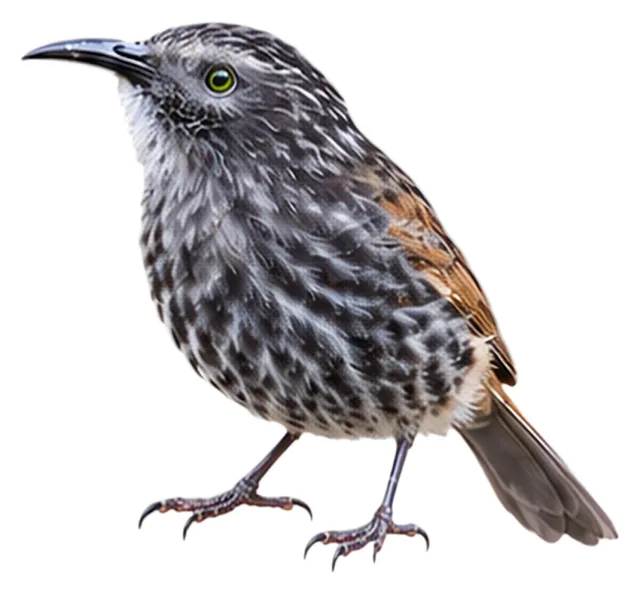 Grey-streaked HoneyeaterPtiloprora perstriata
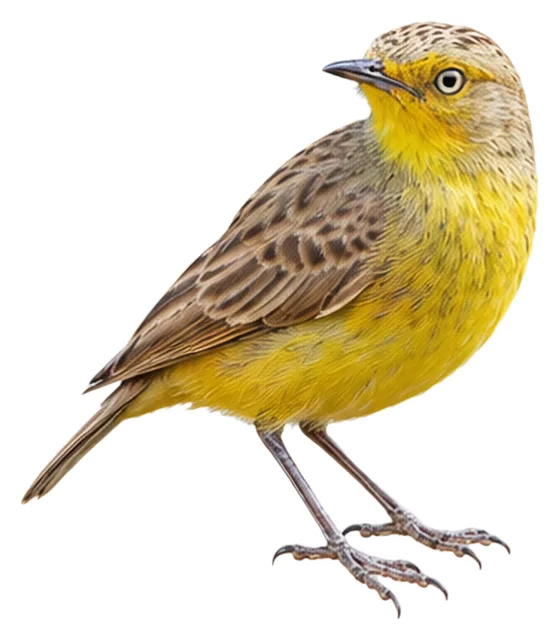 GibberbirdAshbyia lovensis
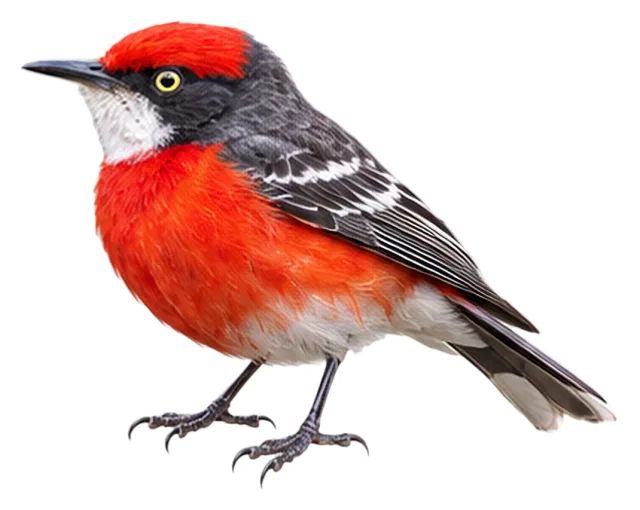 Crimson ChatEpthianura tricolor
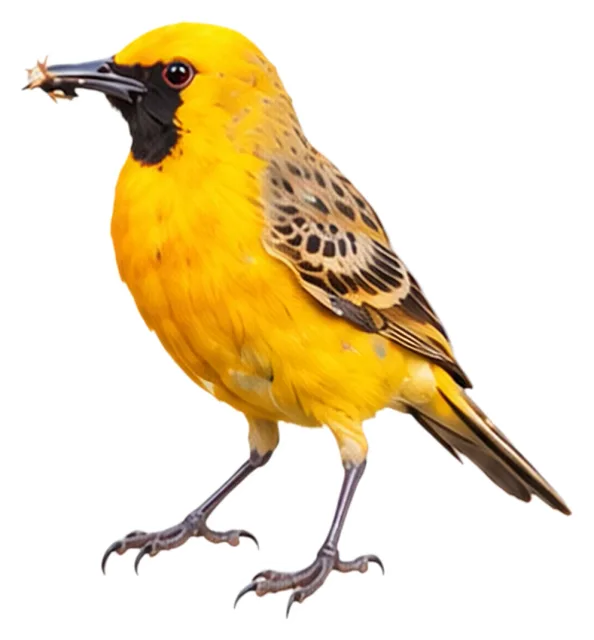 Orange ChatEpthianura aurifrons
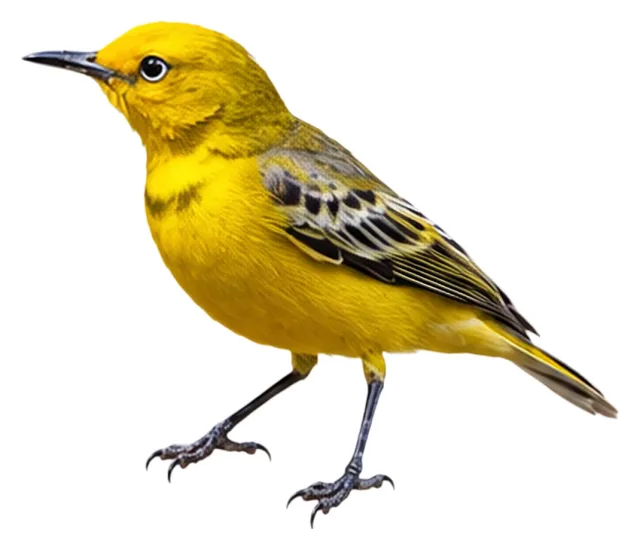 Yellow ChatEpthianura crocea
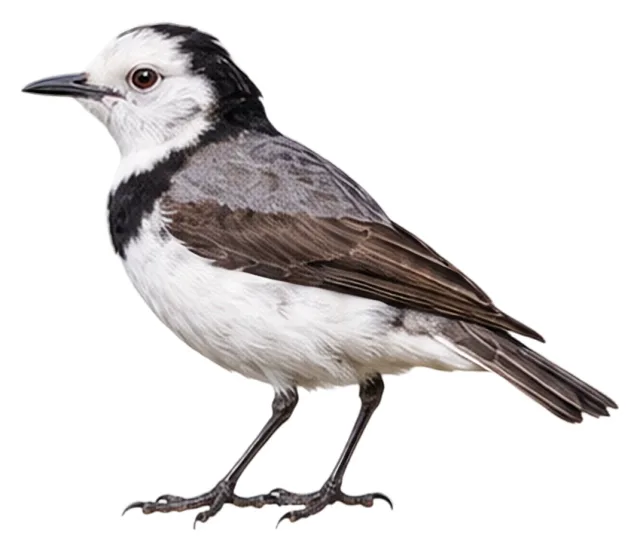 White-fronted ChatEpthianura albifrons
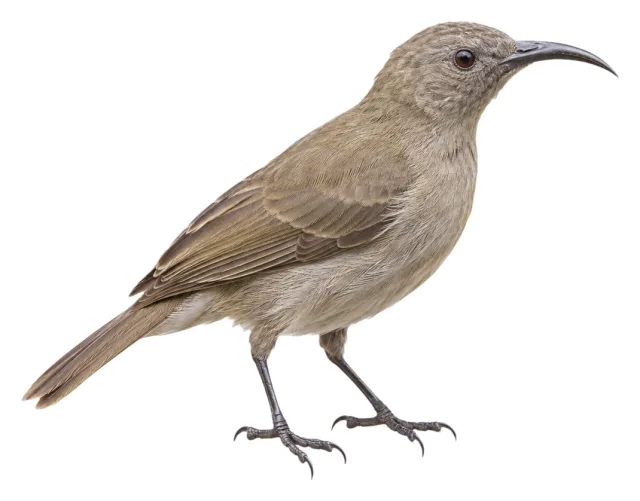 Bougainville HoneyeaterStresemannia bougainvillei
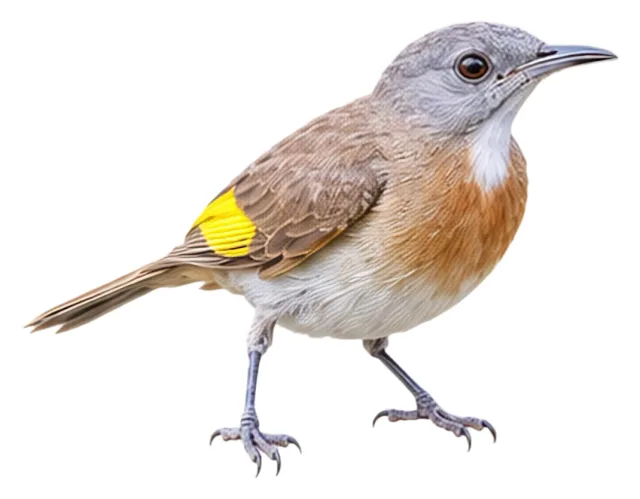 Rufous-banded HoneyeaterConopophila albogularis
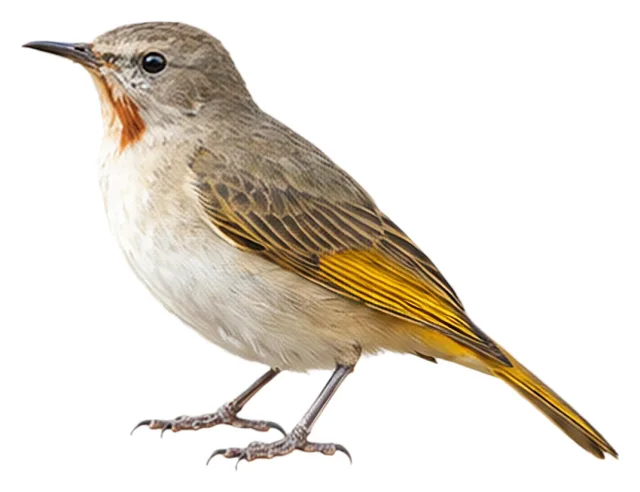 Rufous-throated HoneyeaterConopophila rufogularis
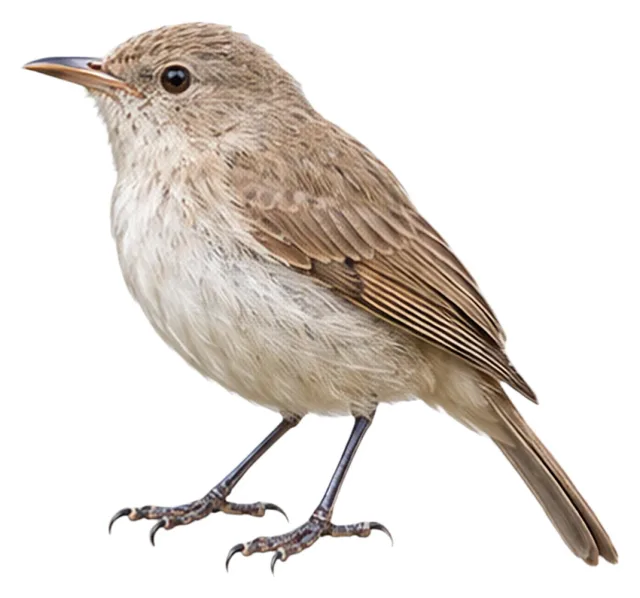 Grey HoneyeaterConopophila whitei
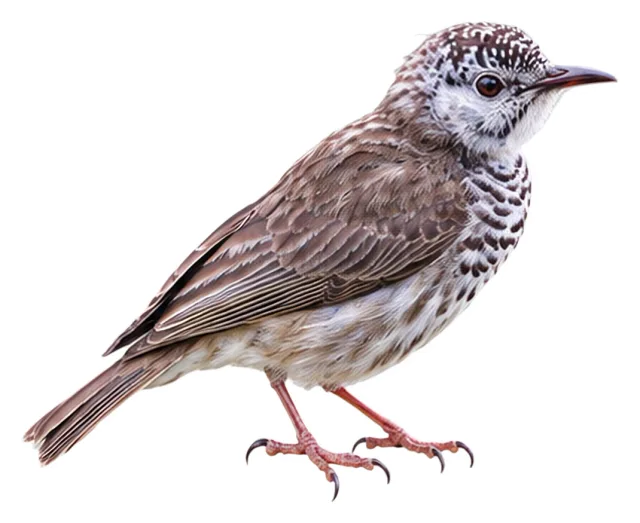 Bar-breasted HoneyeaterRamsayornis fasciatus
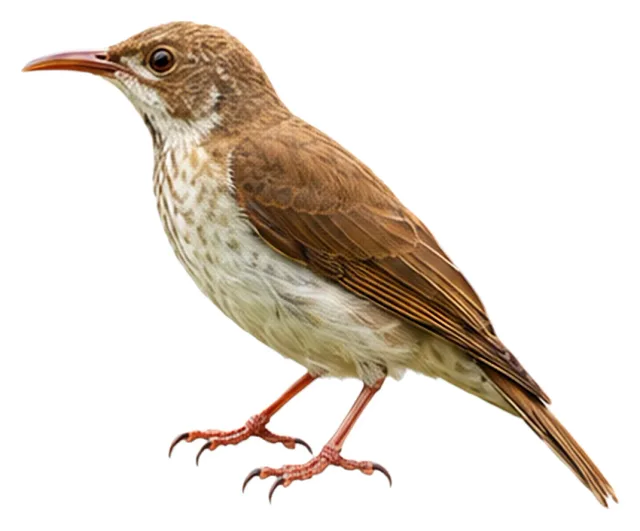 Brown-backed HoneyeaterRamsayornis modestus
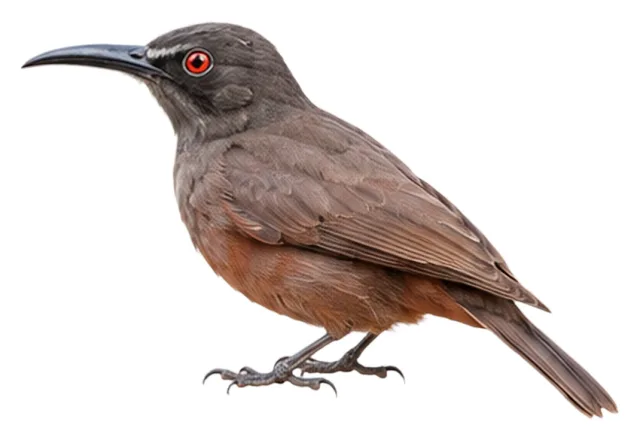 Long-billed HoneyeaterMelilestes megarhynchus
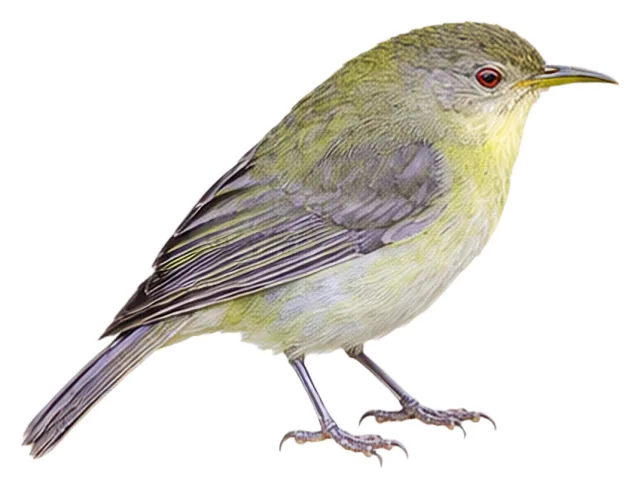 Olive StraightbillTimeliopsis fulvigula
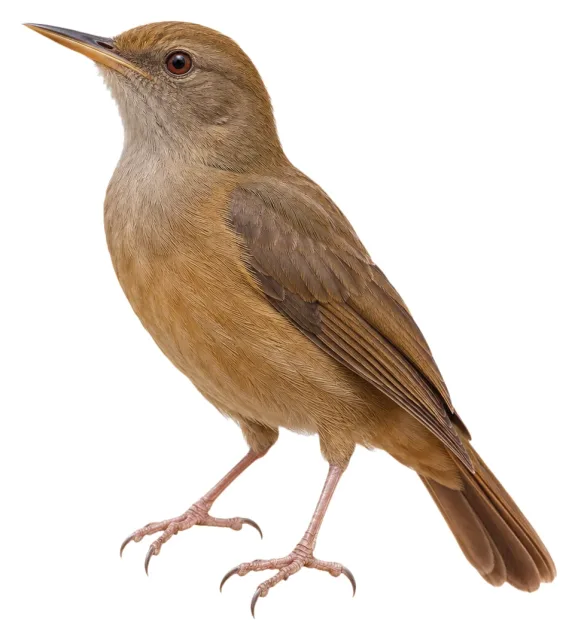 Tawny StraightbillTimeliopsis griseigula
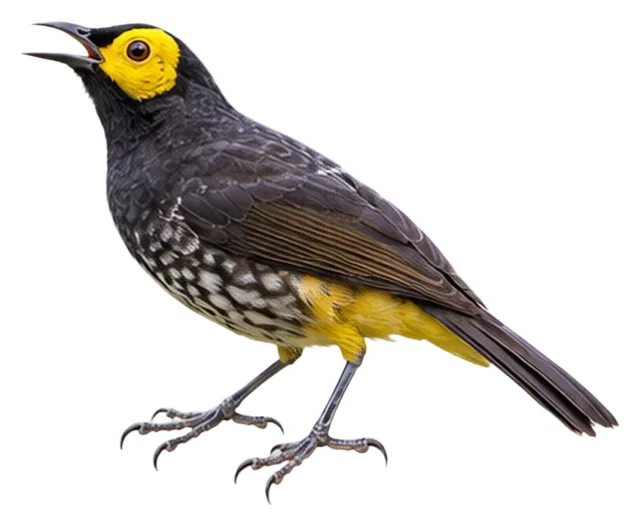 Arfak HoneyeaterMelipotes gymnops
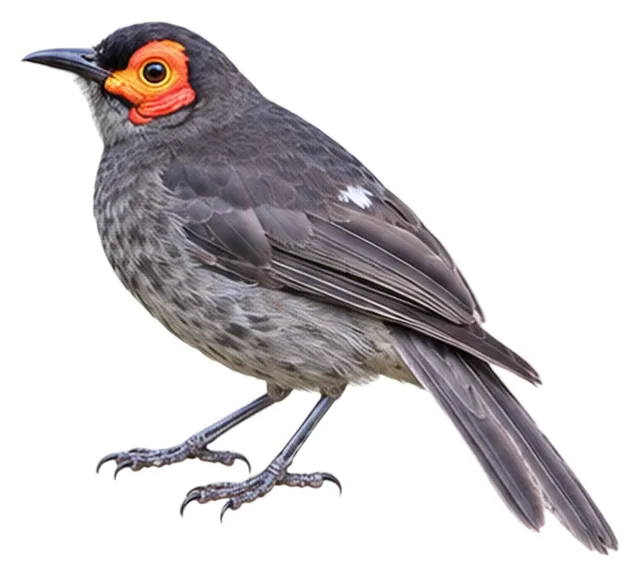 Common Smoky HoneyeaterMelipotes fumigatus
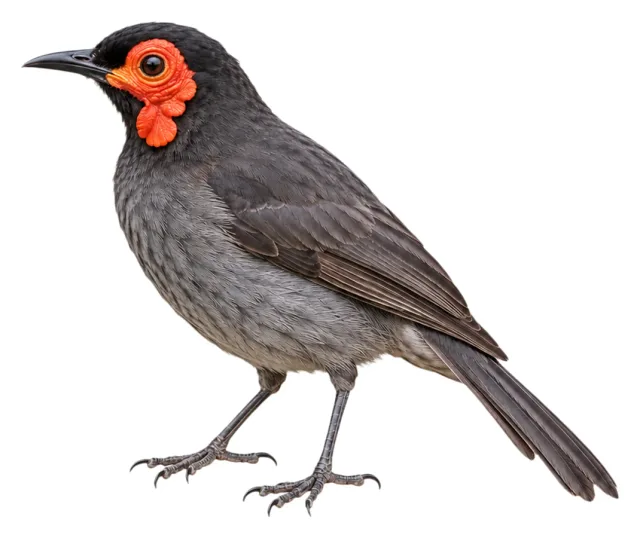 Wattled Smoky HoneyeaterMelipotes carolae
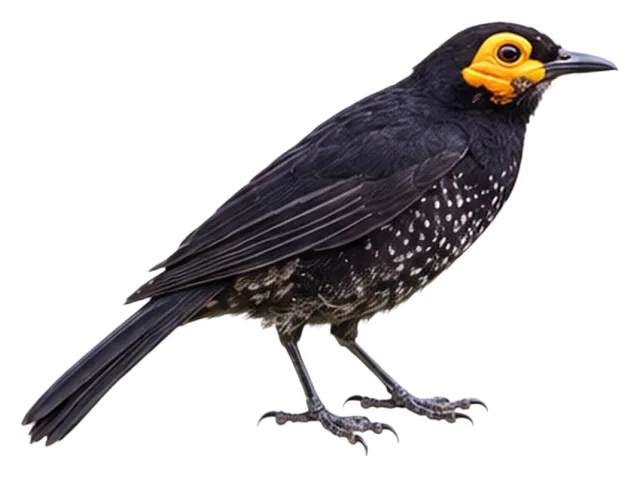 Spangled HoneyeaterMelipotes ater
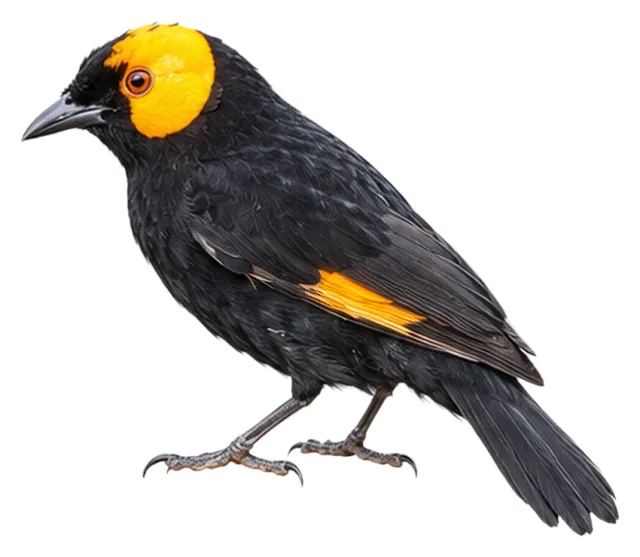 MacGregor's HoneyeaterMacgregoria pulchra
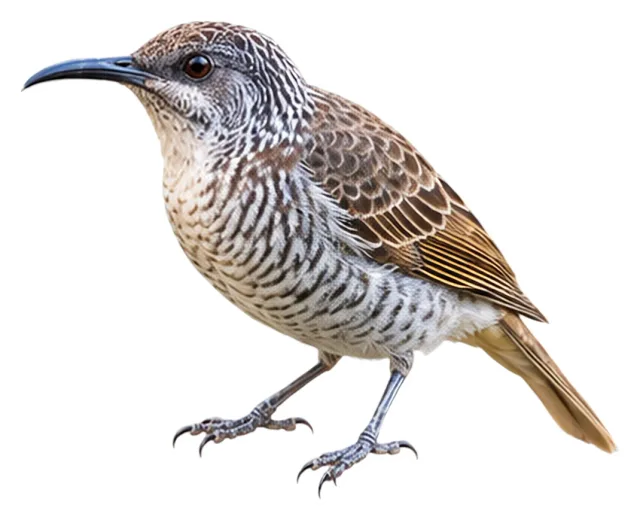 Barred HoneyeaterGliciphila undulata
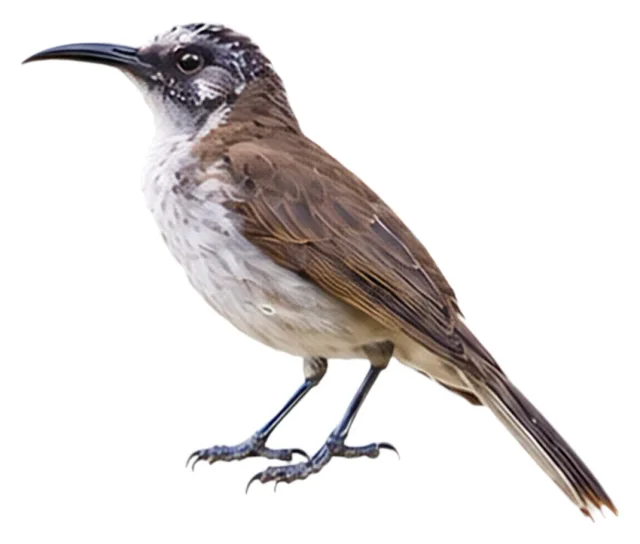 White-bellied HoneyeaterGliciphila notabilis
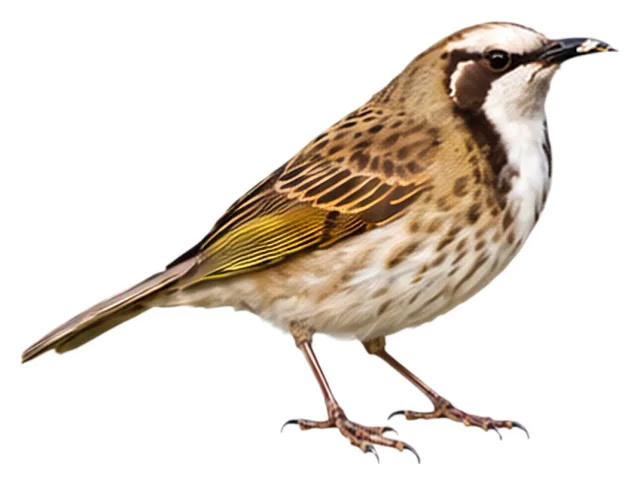 Tawny-crowned HoneyeaterGliciphila melanops
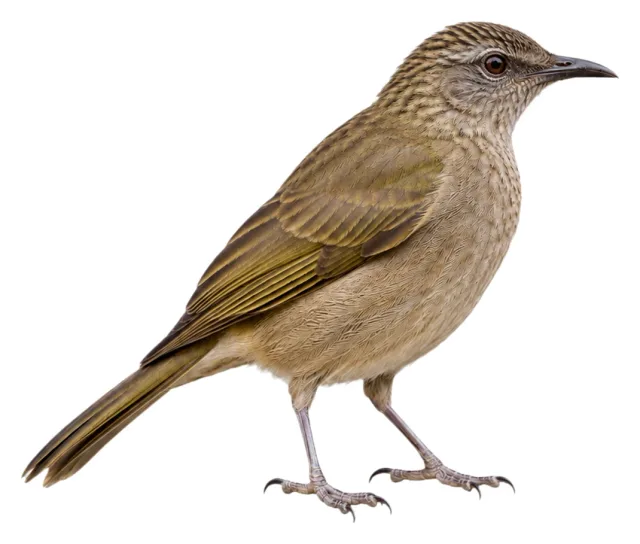 Plain HoneyeaterPycnopygius ixoides
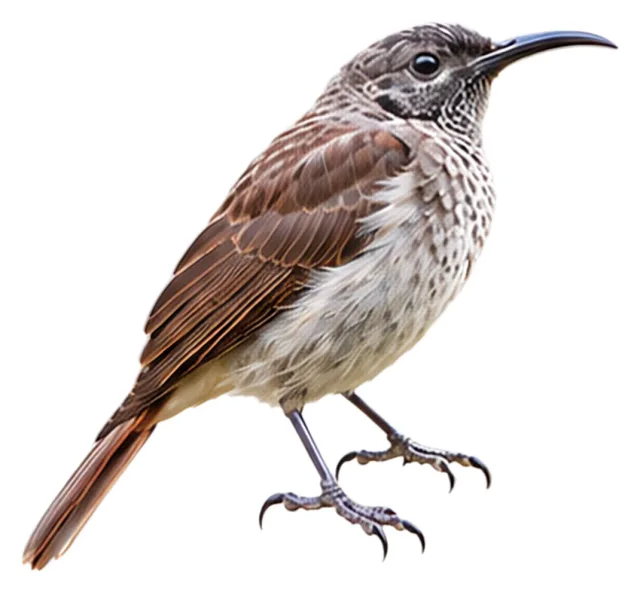 Marbled HoneyeaterPycnopygius cinereus
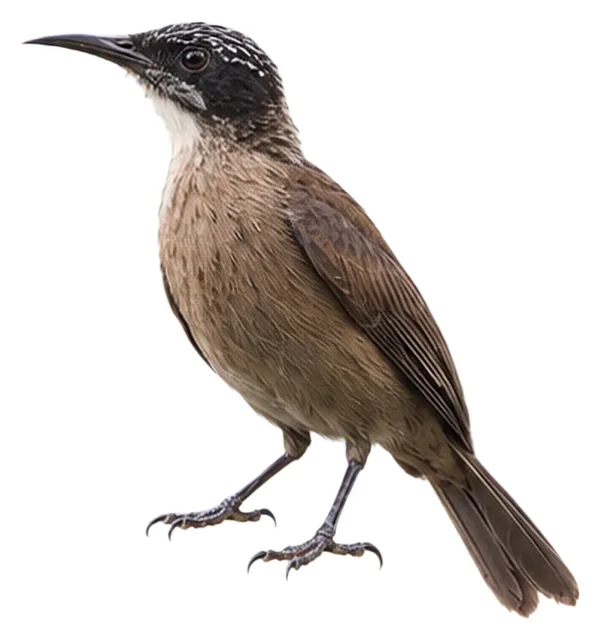 Streak-headed HoneyeaterPycnopygius stictocephalus
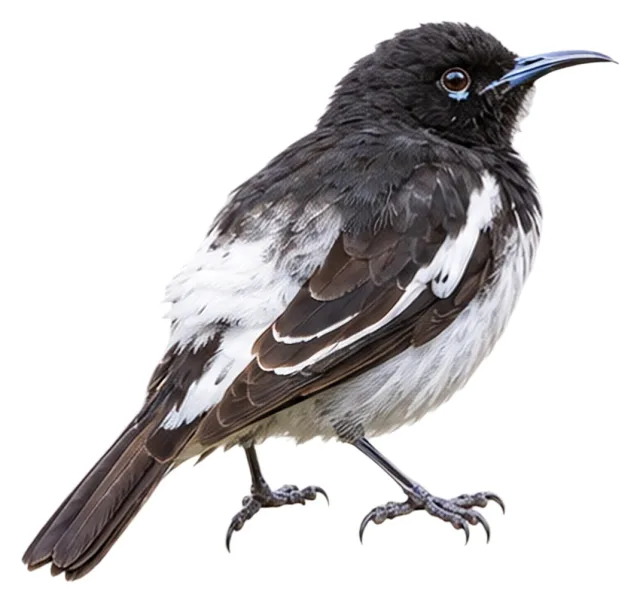 Pied HoneyeaterCerthionyx variegatus
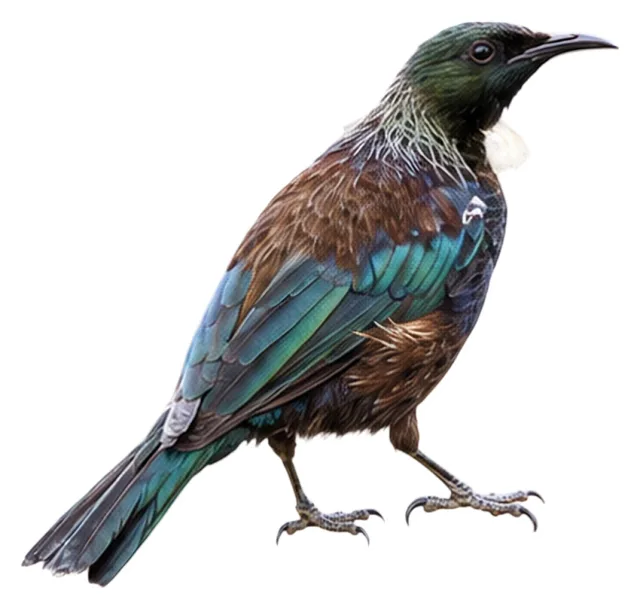 TuiProsthemadera novaeseelandiae
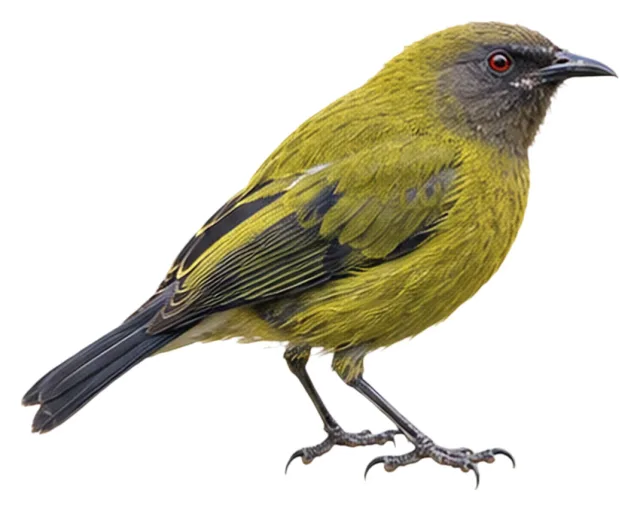 New Zealand BellbirdAnthornis melanura
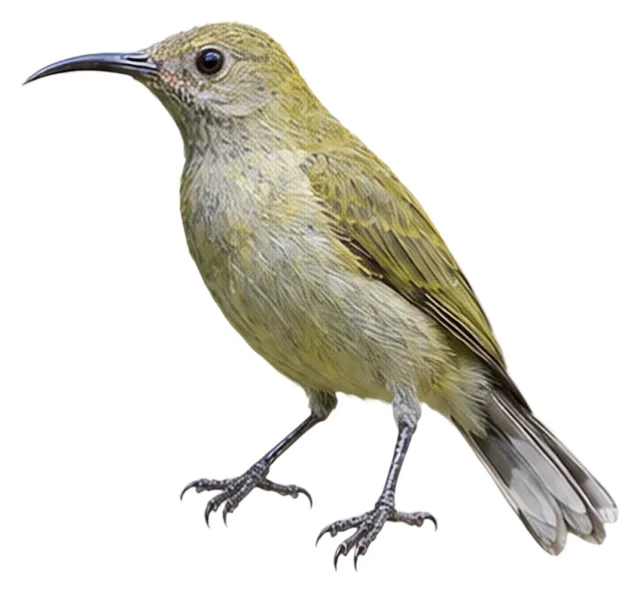 Scaly-crowned HoneyeaterSugomel lombokium
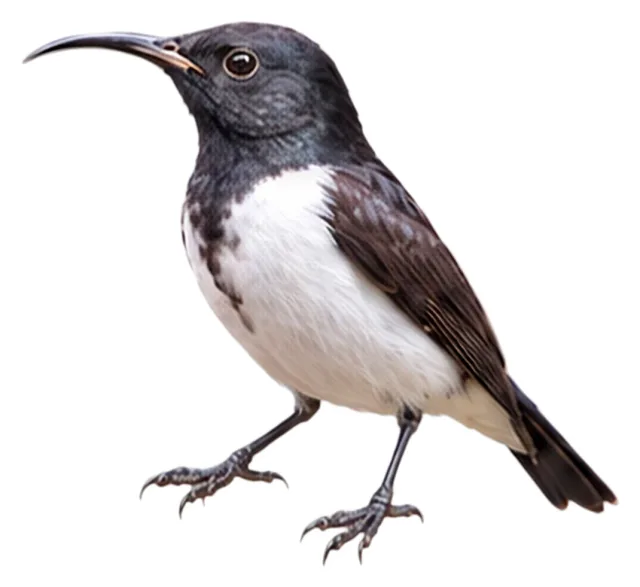 Black HoneyeaterSugomel nigrum
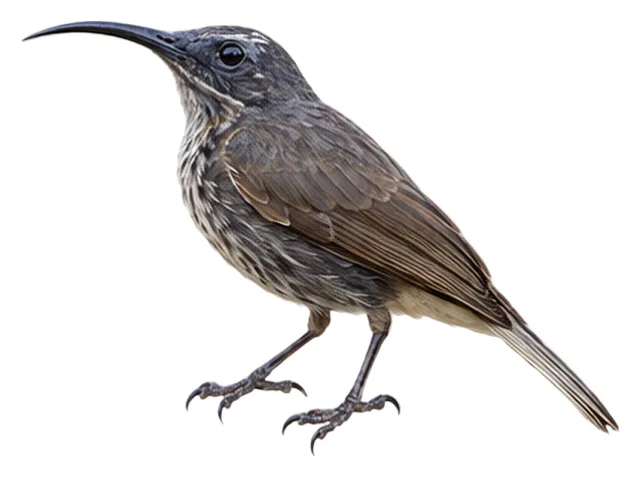 White-streaked FriarbirdMelitograis gilolensis
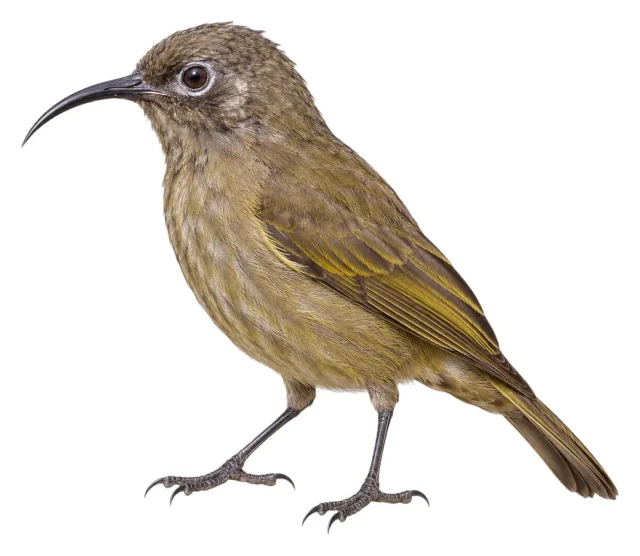 Gilliard's HoneyeaterVosea whitemanensis
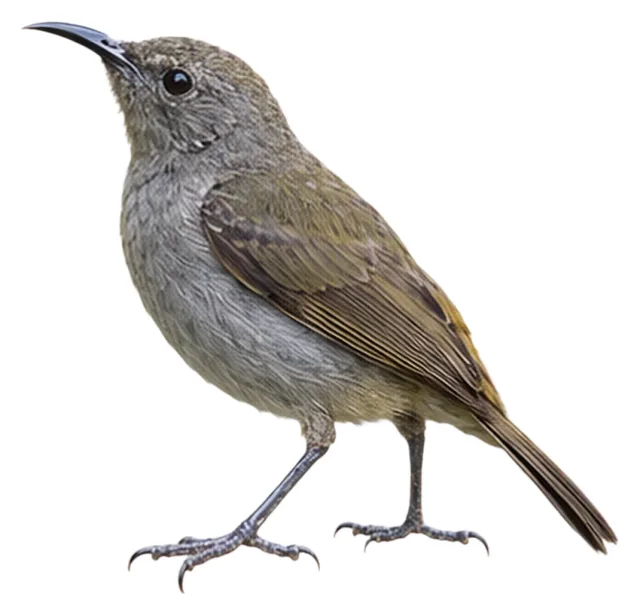 Drab MyzomelaMyzomela blasii
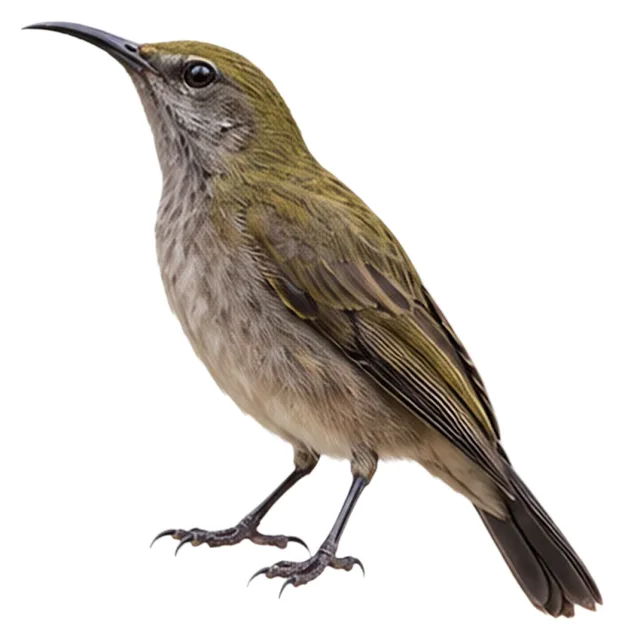 White-chinned MyzomelaMyzomela albigula