
BIRDGACHA / FIELD NOTES
Mockingbirds, Thrashers
Long tails, strong legs and slender to curved bills characterize many mimids, although catbirds can look more compact than large thrashers. Grey, brown and black plumage is common, with wing patches, breast streaks and eye colour helping separate birds that otherwise share a plain outline. Examples include Grey Catbird (Dumetella carolinensis), Black Catbird (Melanoptila glabrirostris), and Northern Mockingbird (Mimus polyglottos). They take invertebrates and fruit, often searching shrubs or the ground; some species use the bill to turn litter while feeding. Listen as well as look, but do not assume that every member imitates other birds equally.
How to recognize Mockingbirds, Thrashers
- Compare bill curvature and tail length with the bird's body.
- Check wing patches, breast markings and eye colour.
- Watch ground or shrub feeding and any litter-turning behaviour.
- Combine voice with local range rather than identifying from mimicry alone.
Where they live
The family occurs in the Americas and nearby islands, with different mockingbirds, thrashers and catbirds occupying regional ranges. Scrub, woodland edges, gardens, dry country and island vegetation support different members. A Northern Mockingbird in an park and a Black Catbird in tropical cover use distinct settings, so local vegetation and geography are better than a single family habitat label. Compare tail length and bill curvature before using song; a rich or imitative voice alone is not enough to identify a species.
Species accounts: Grey Catbird · Black Catbird · Northern Mockingbird
Sources — natural history: Missouri Department of Conservation: Northern Mockingbird identification, food and habitat · Cornell Birds of the World: Black Catbird (Melanoptila glabrirostris), member species natural history.
Classification: IOC World Bird List: family names and classification.
Some Cornell Birds of the World account sections require a subscription.
Updated 2026-11-06. Species counts follow this site's catalogue. This is an editorial summary, not an expert peer review.
Species records retain their original English, Chinese and scientific names.
35 results · page 1 of 1
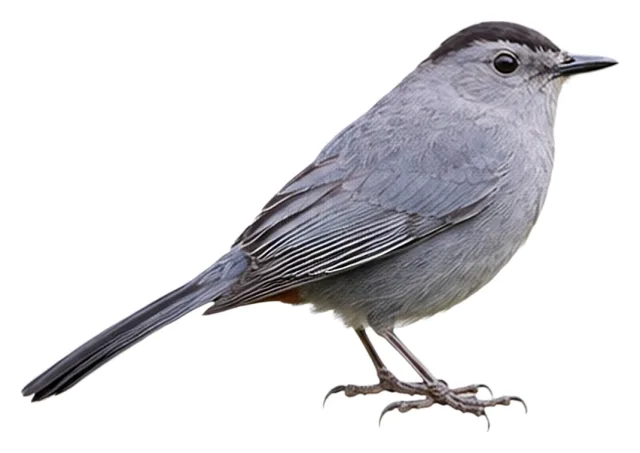 Grey CatbirdDumetella carolinensis
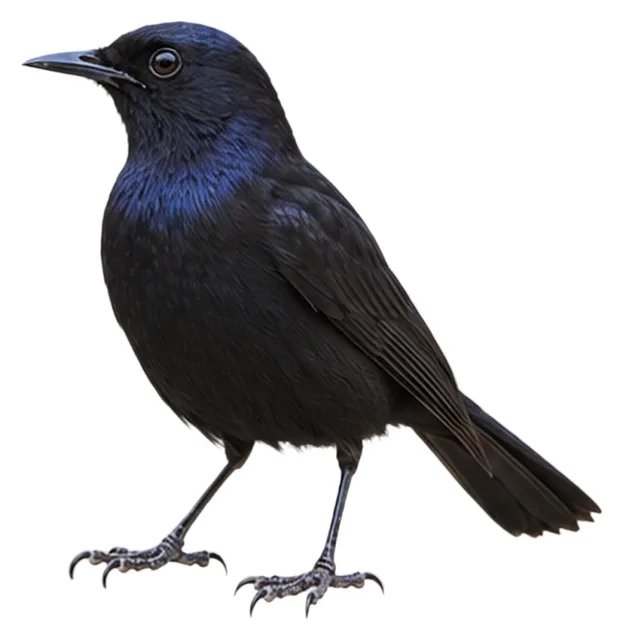 Black CatbirdMelanoptila glabrirostris
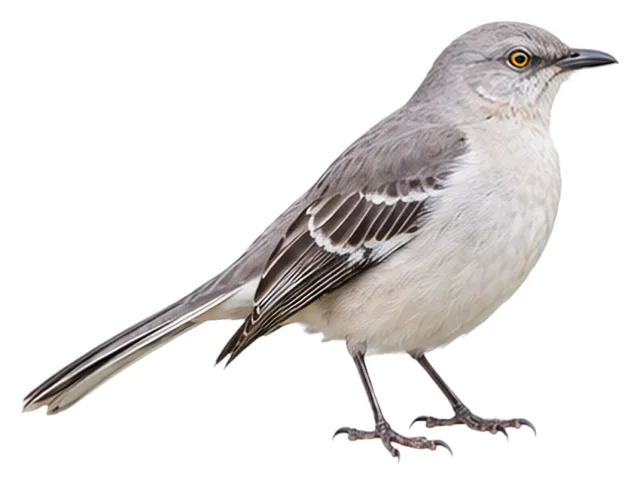 Northern MockingbirdMimus polyglottos
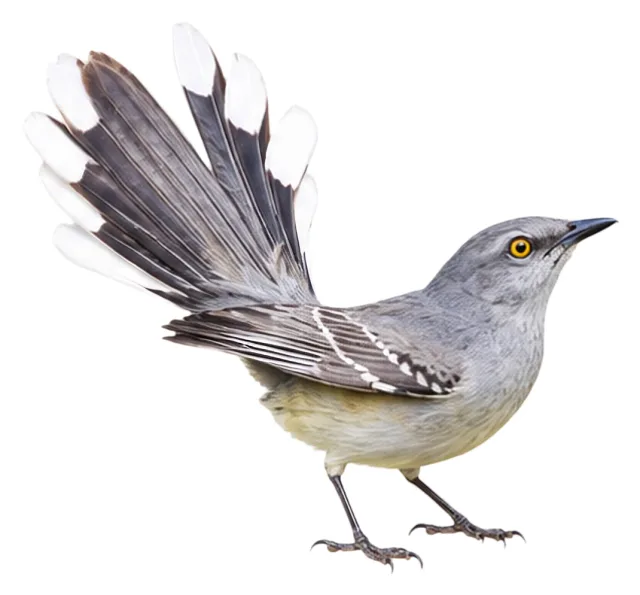 Tropical MockingbirdMimus gilvus
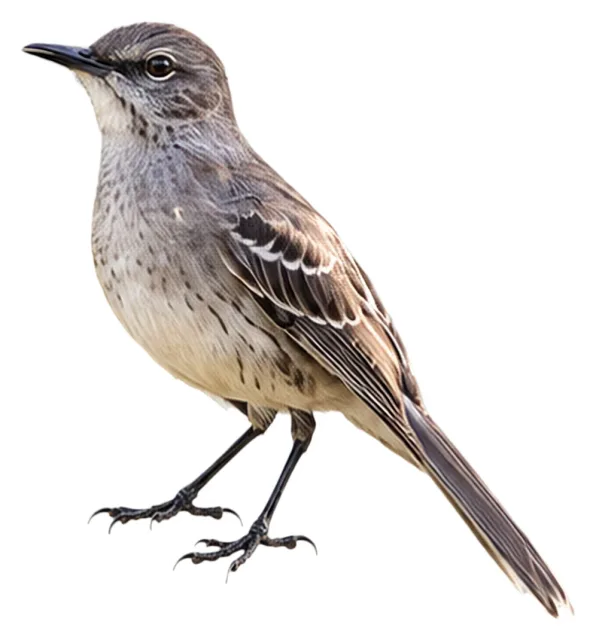 Bahama MockingbirdMimus gundlachii
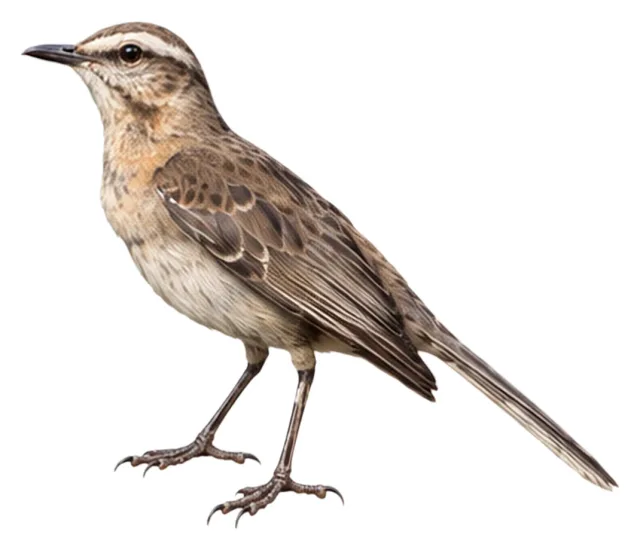 Chilean MockingbirdMimus thenca
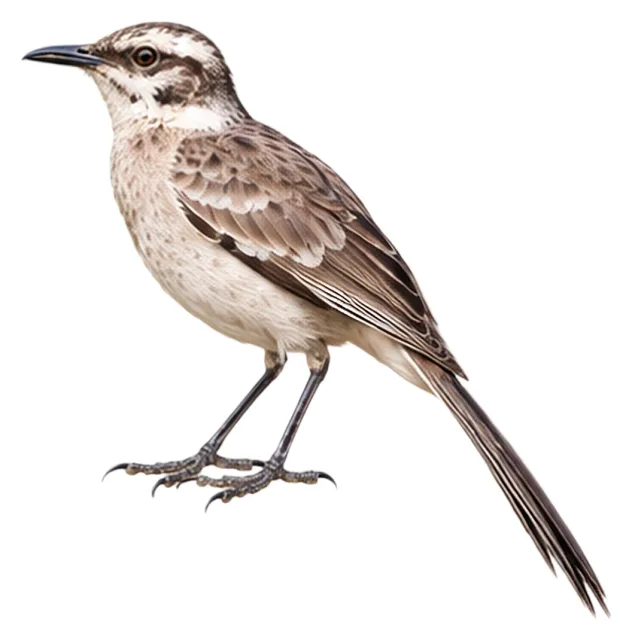 Long-tailed MockingbirdMimus longicaudatus
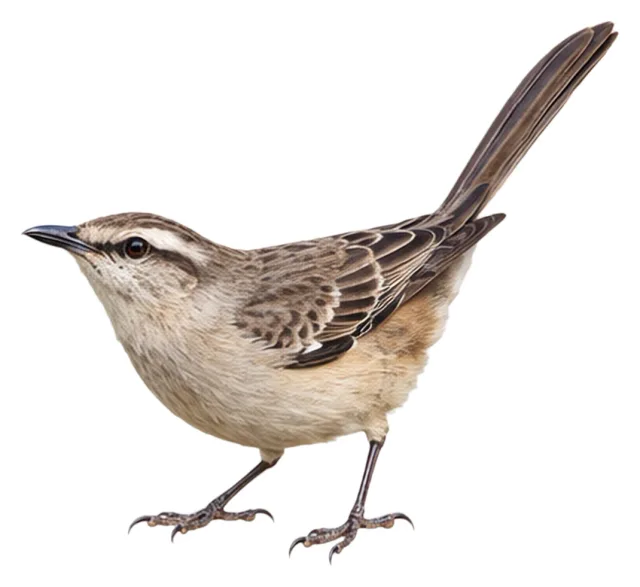 Chalk-browed MockingbirdMimus saturninus
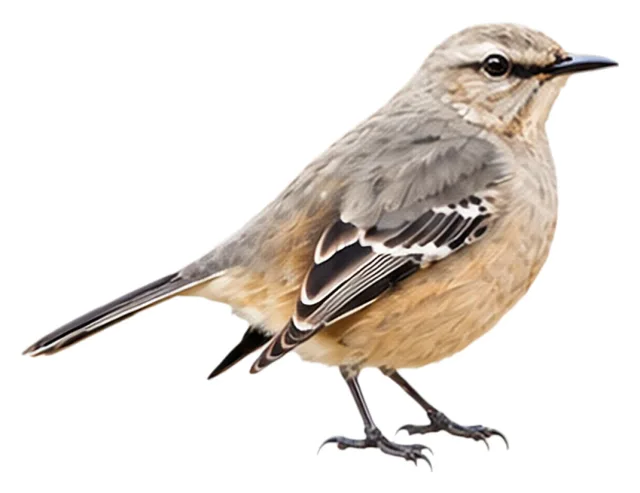 Patagonian MockingbirdMimus patagonicus
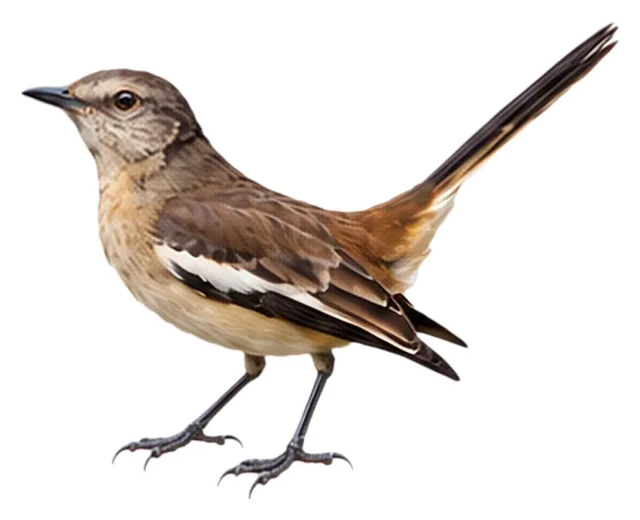 White-banded MockingbirdMimus triurus
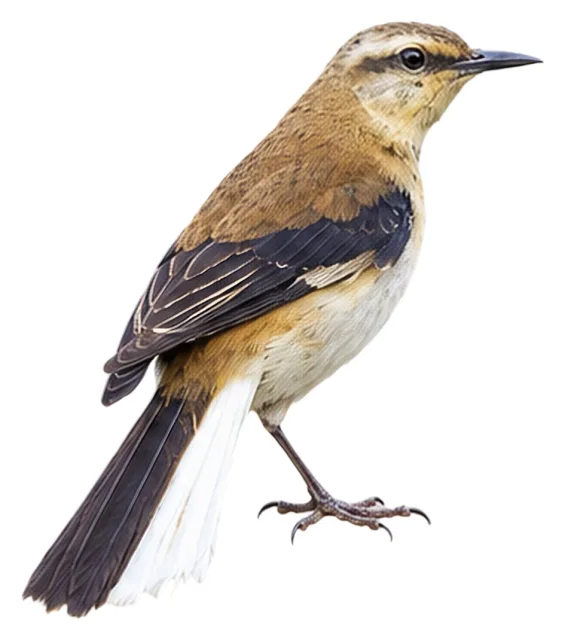 Brown-backed MockingbirdMimus dorsalis
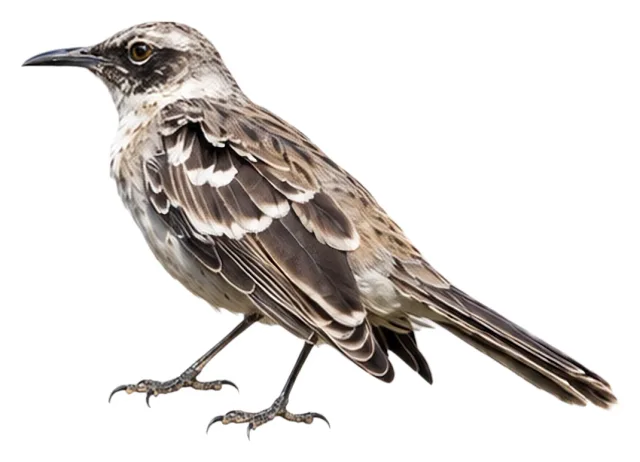 Galapagos MockingbirdMimus parvulus
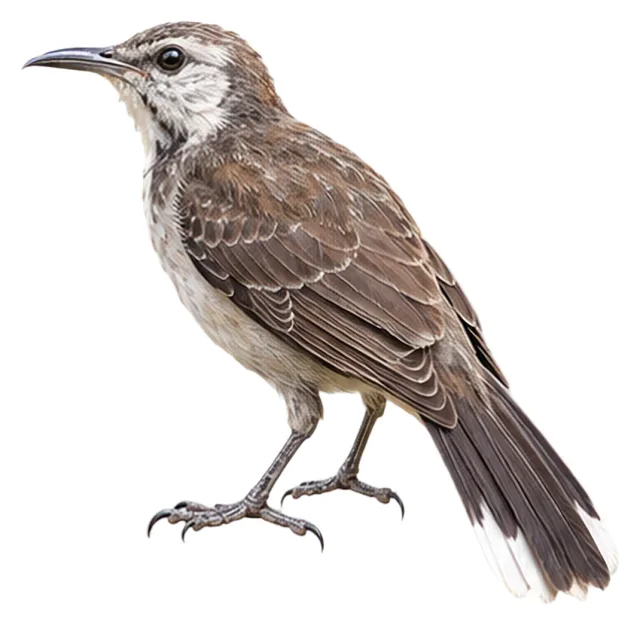 Floreana MockingbirdMimus trifasciatus
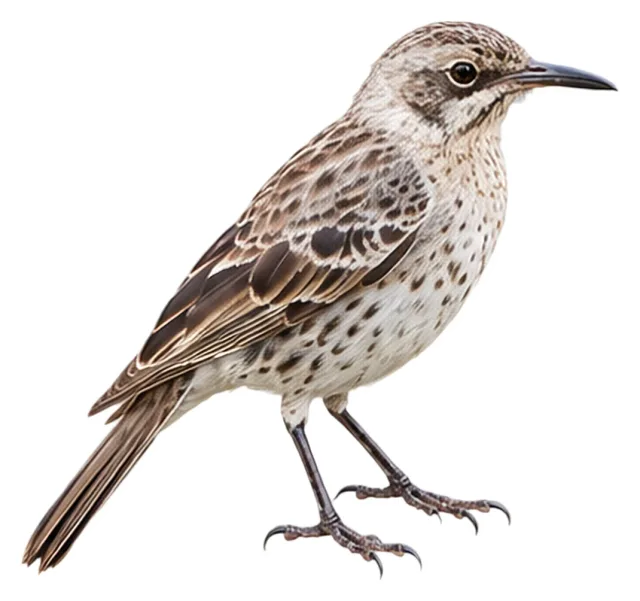 Espanola MockingbirdMimus macdonaldi
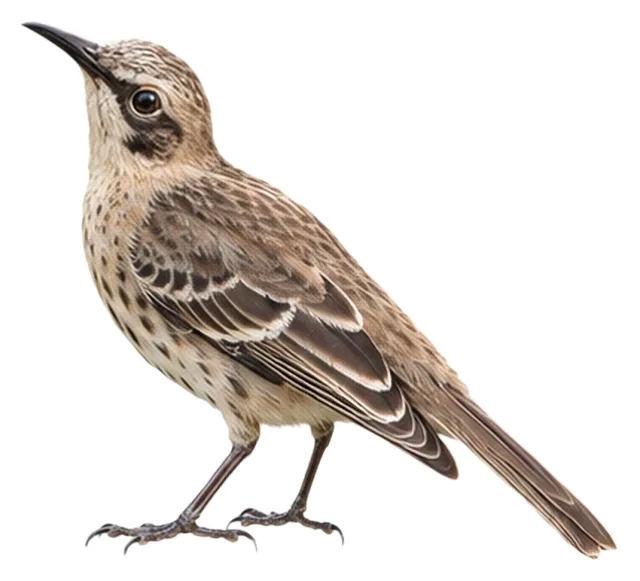 San Cristobal MockingbirdMimus melanotis
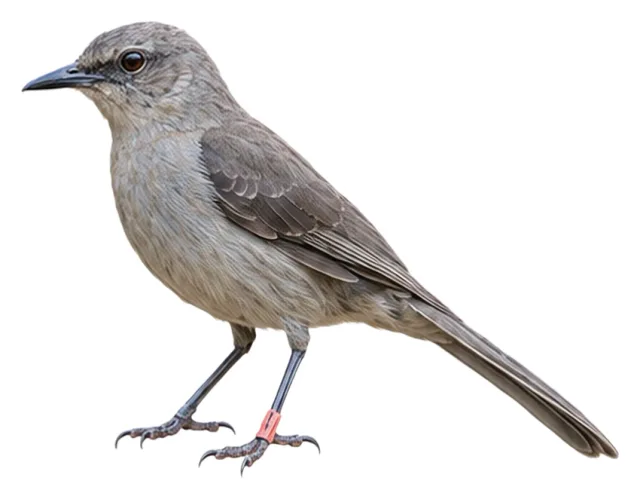 Socorro MockingbirdMimus graysoni
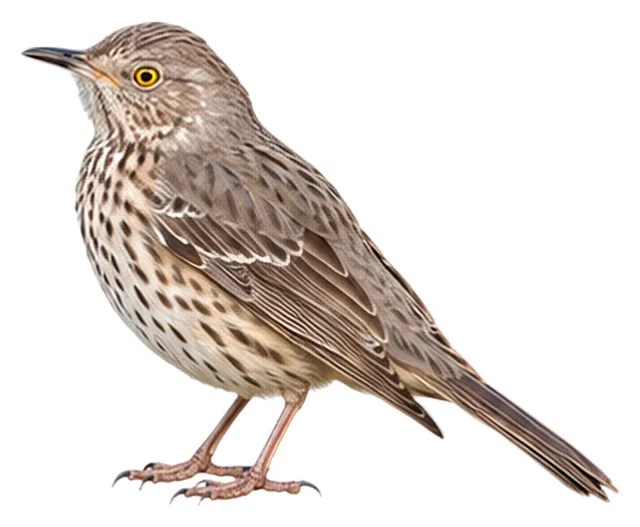 Sage ThrasherOreoscoptes montanus
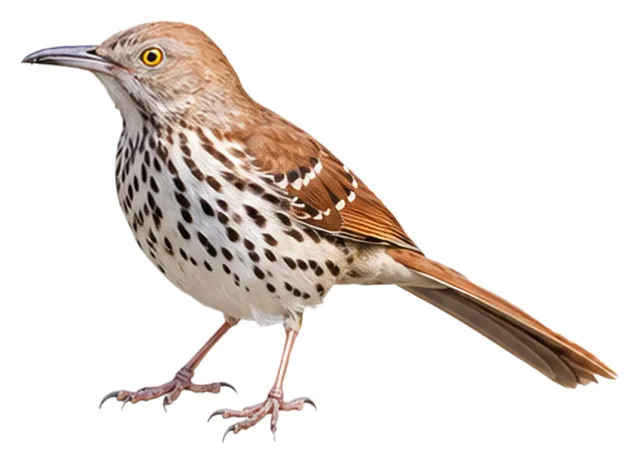 Brown ThrasherToxostoma rufum
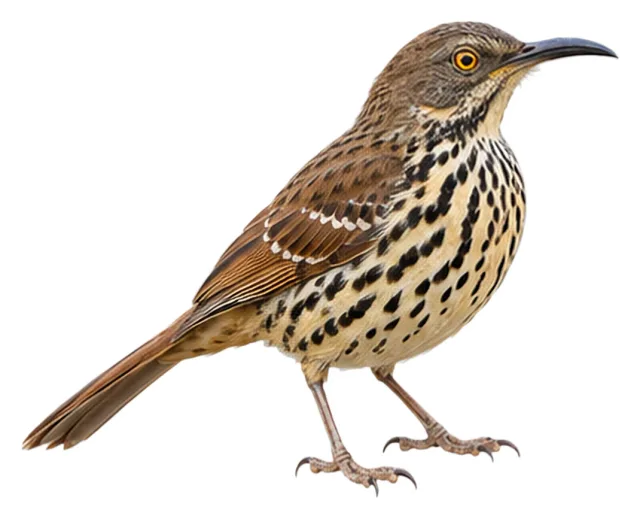 Long-billed ThrasherToxostoma longirostre
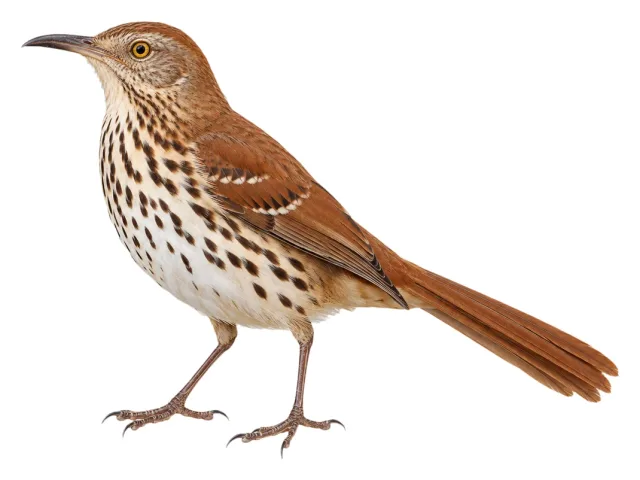 Cozumel ThrasherToxostoma guttatum
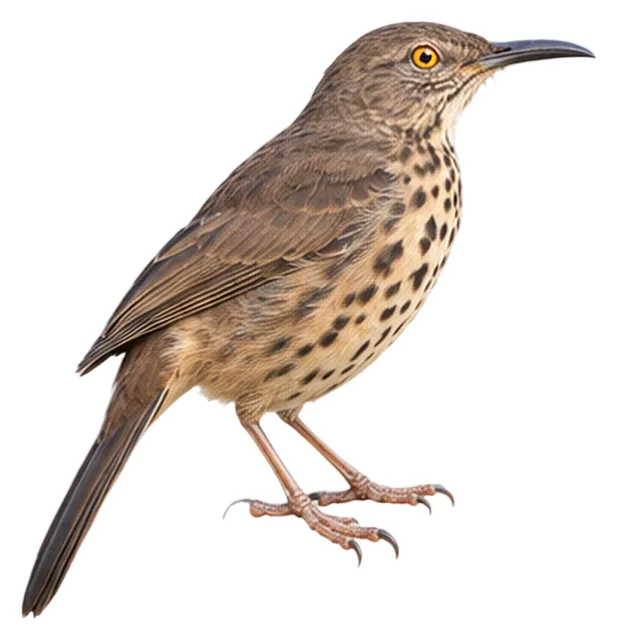 Grey ThrasherToxostoma cinereum
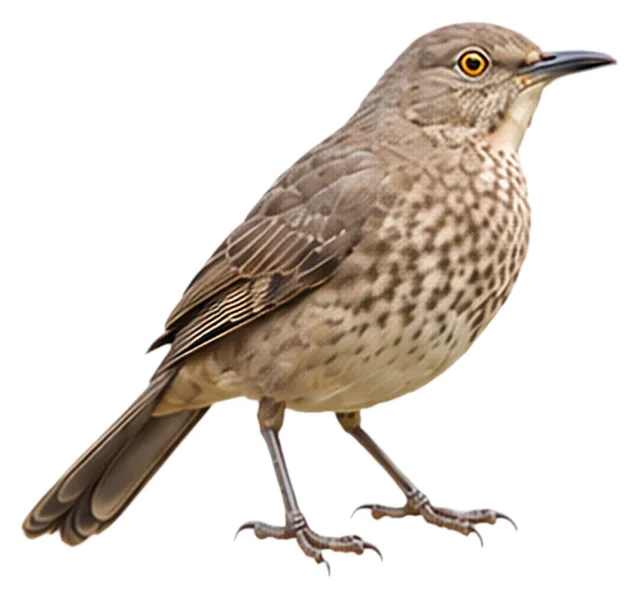 Bendire's ThrasherToxostoma bendirei
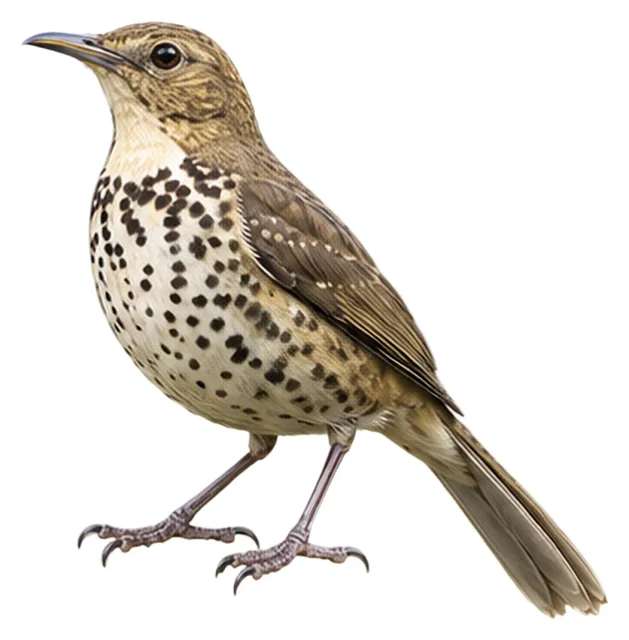 Ocellated ThrasherToxostoma ocellatum
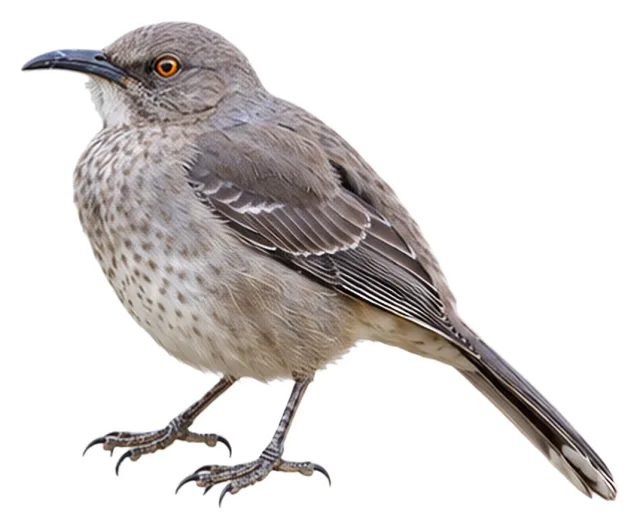 Curve-billed ThrasherToxostoma curvirostre
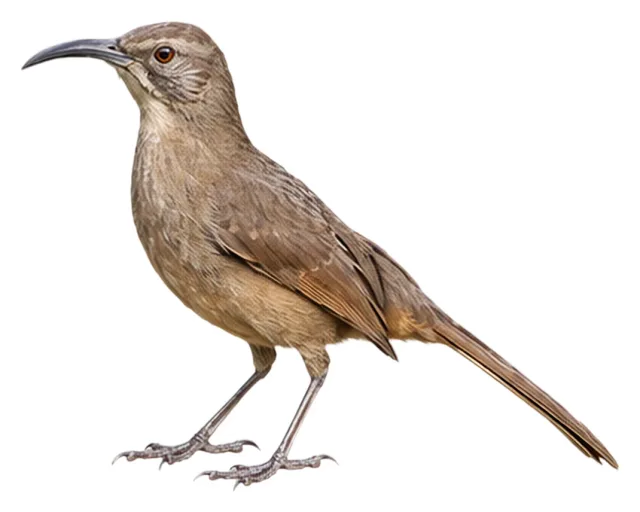 California ThrasherToxostoma redivivum
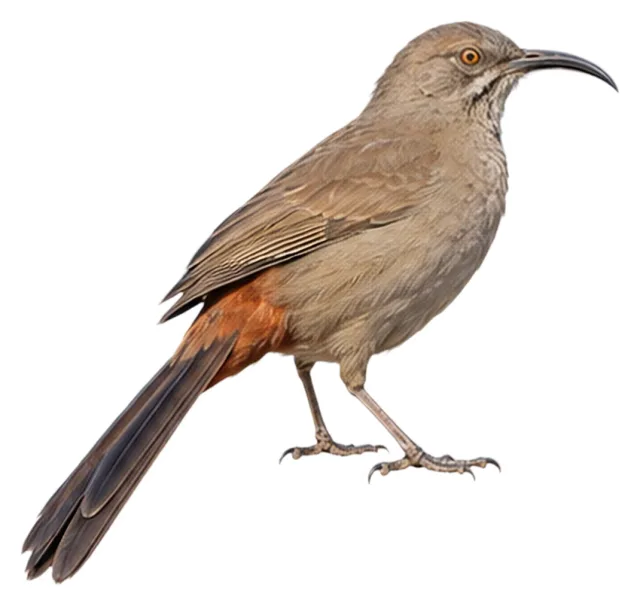 Crissal ThrasherToxostoma crissale
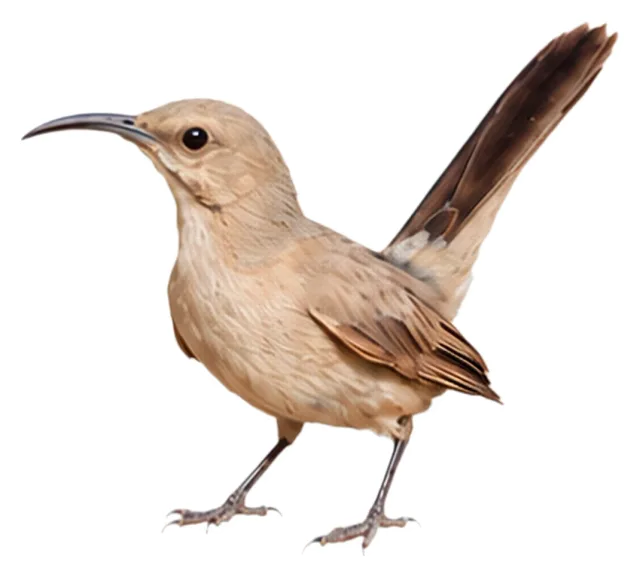 LeConte's ThrasherToxostoma lecontei
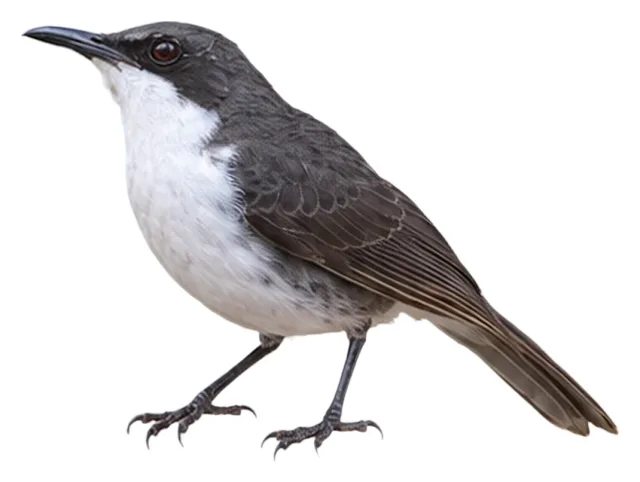 Martinique ThrasherRamphocinclus brachyurus
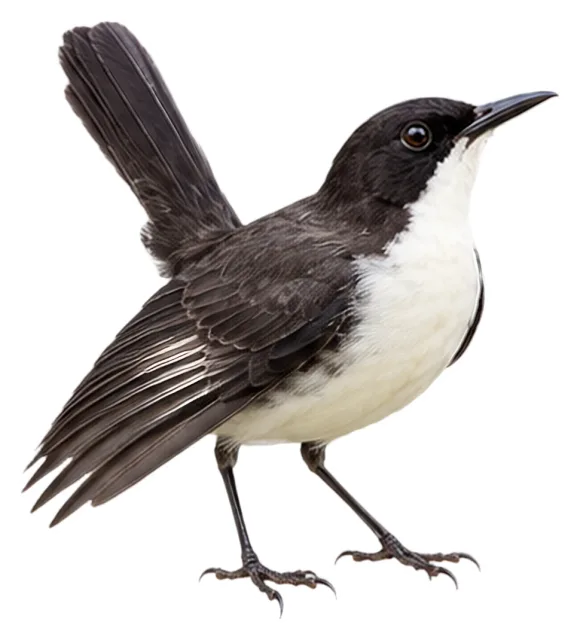 St. Lucia ThrasherRamphocinclus sanctaeluciae
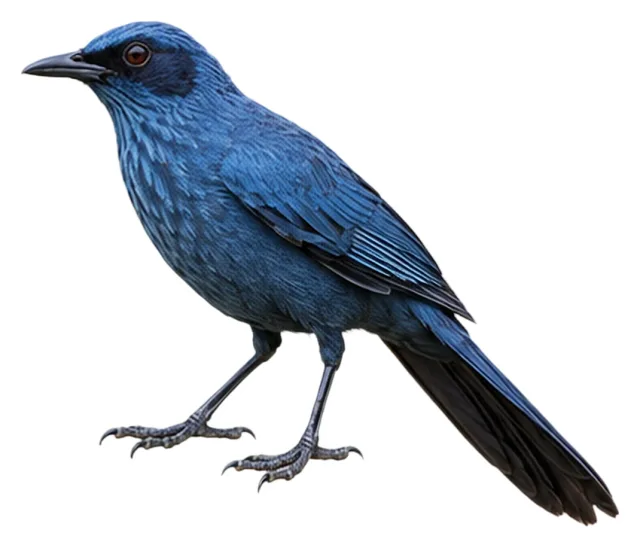 Blue MockingbirdMelanotis caerulescens
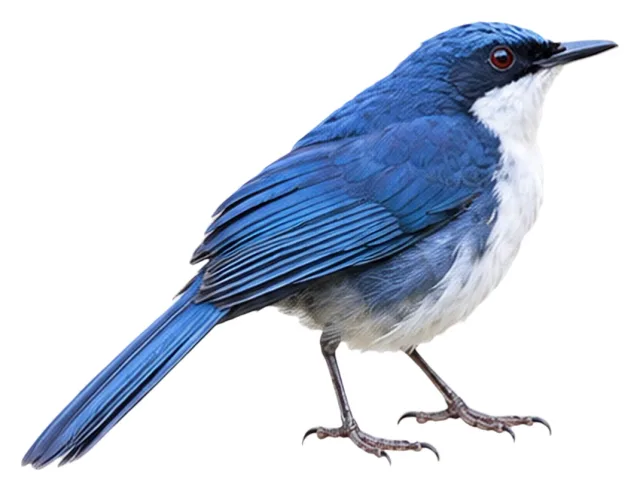 Blue-and-white MockingbirdMelanotis hypoleucus
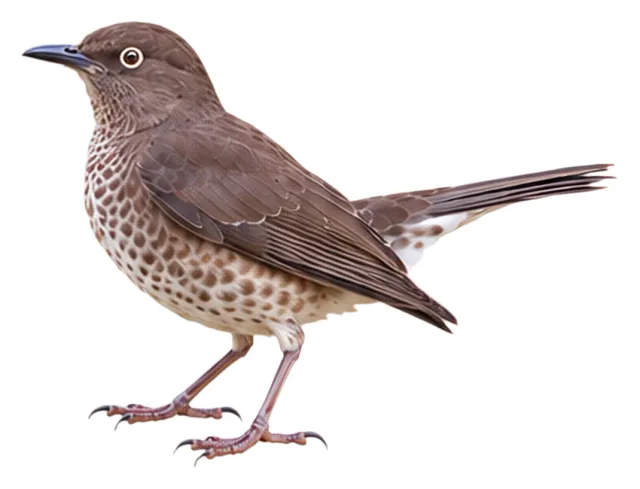 Scaly-breasted ThrasherAllenia fusca
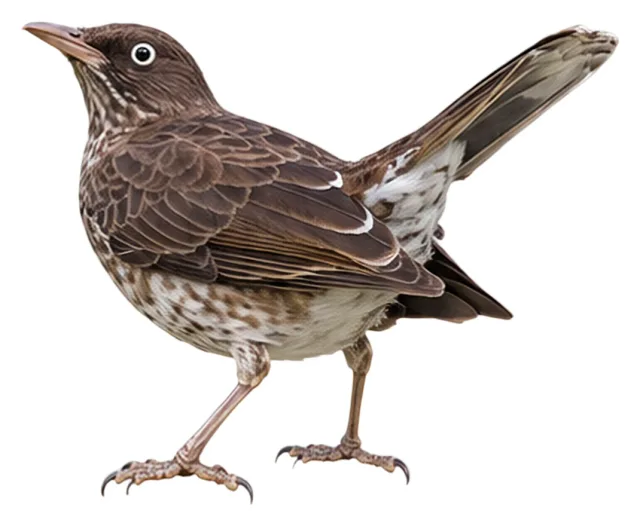 Pearly-eyed ThrasherMargarops fuscatus
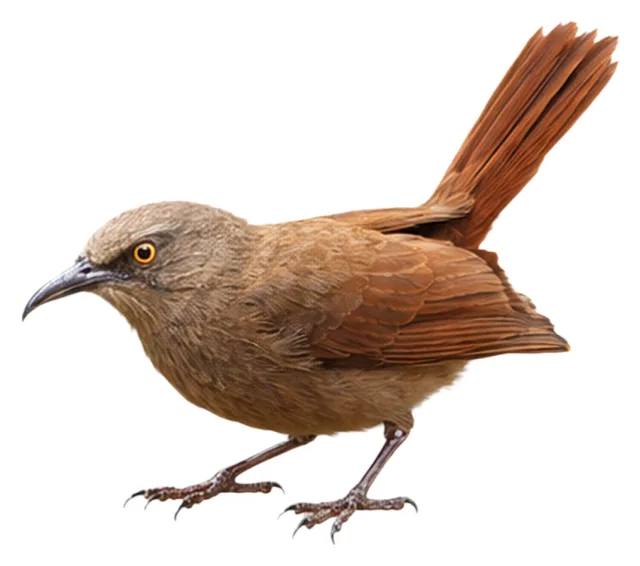 Brown TremblerCinclocerthia ruficauda
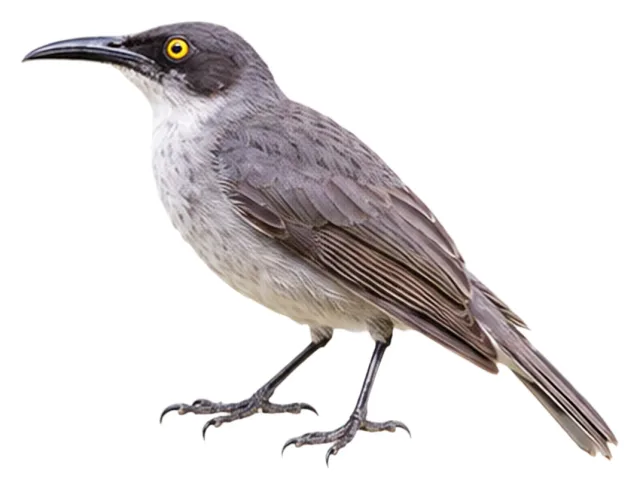 Grey TremblerCinclocerthia gutturalis