
BIRDGACHA / FIELD NOTES
Cormorants, Shags
Long necks, fairly narrow bodies and bills with hooked tips characterize cormorants and shags. Many are dark, but white underparts, pale cheeks, crests and colourful bare facial skin occur in different species; body size and neck proportions are often useful before subtle plumage details. Examples include Pygmy Cormorant (Microcarbo pygmaeus), Red-legged Cormorant (Poikilocarbo gaimardi), and Brandt's Cormorant (Urile penicillatus). They pursue fish and other aquatic prey underwater, swimming with their feet and returning to rocks, branches or shores to rest. Forehead shape, the outline of the throat patch and bill proportions help distinguish cormorants resting together beside water.
How to recognize Cormorants, Shags
- Look for a hooked bill tip rather than the straight spear of an anhinga.
- Compare neck thickness, forehead angle and the bare throat patch.
- Check pale underparts, facial markings and any seasonal crest.
- Use body size and habitat alongside plumage when separating cormorants and shags.
Where they live
The family occurs in freshwater lakes and rivers as well as marine coasts and offshore islands in many regions. Marine cliffs, rocky shores, estuaries, lakes and rivers support different members. Some breed on coastal ledges while others nest in trees beside inland water, and feeding and roosting sites can be separate; the family is not restricted to salt water. Check whether the local species uses freshwater or marine sites, particularly when similar dark birds gather at a shared roost.
Species accounts: Pygmy Cormorant · Red-legged Cormorant · Brandt's Cormorant
Sources — natural history: BTO: Great Cormorant identification, inland waters and coastal habitats · Cornell Birds of the World: Pygmy Cormorant (Microcarbo pygmaeus), member species natural history.
Classification: IOC World Bird List: family names and classification.
Some Cornell Birds of the World account sections require a subscription.
Updated 2026-11-06. Species counts follow this site's catalogue. This is an editorial summary, not an expert peer review.
Species records retain their original English, Chinese and scientific names.
33 results · page 1 of 1
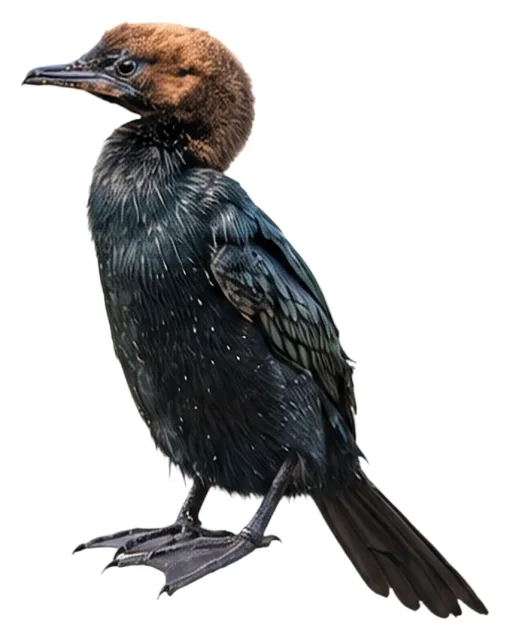 Pygmy CormorantMicrocarbo pygmaeus
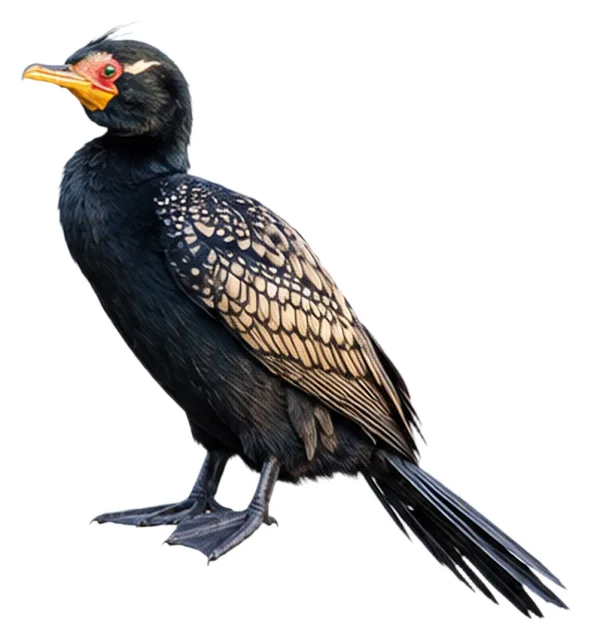 Reed CormorantMicrocarbo africanus
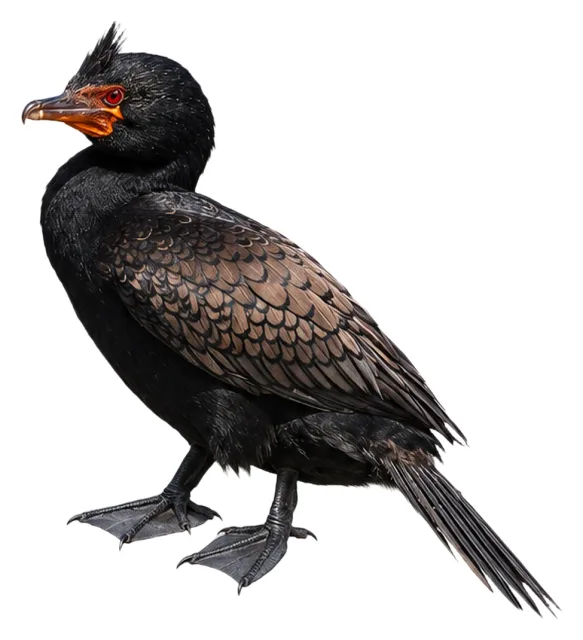 Crowned CormorantMicrocarbo coronatus
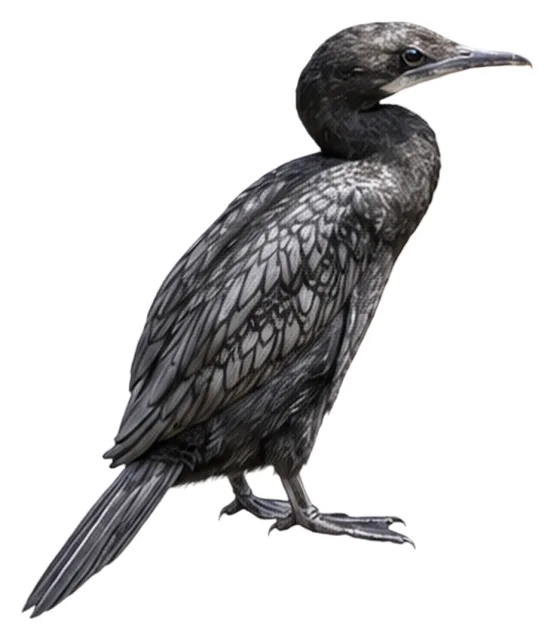 Little CormorantMicrocarbo niger
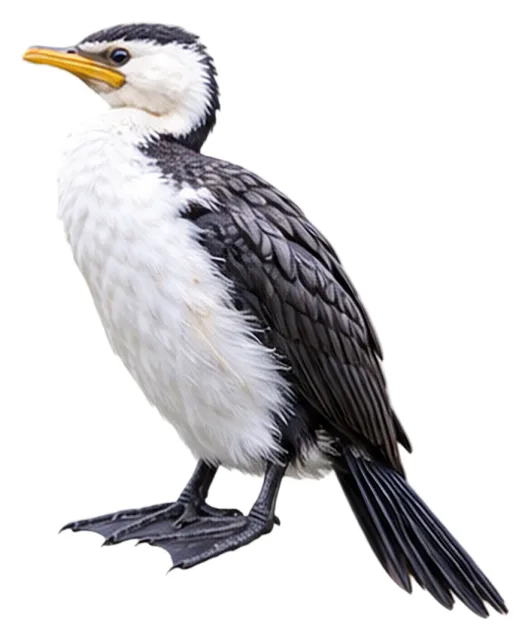 Little Pied CormorantMicrocarbo melanoleucos
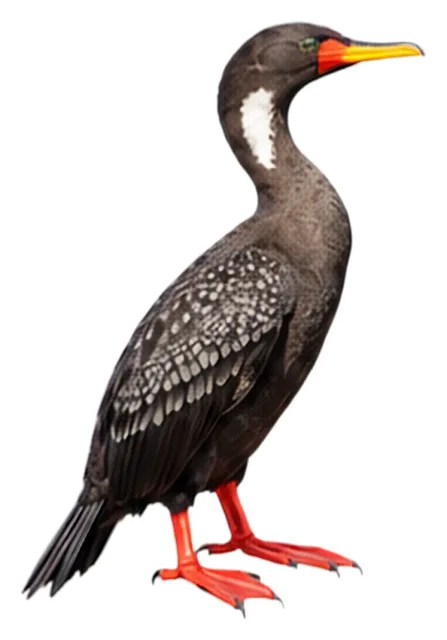 Red-legged CormorantPoikilocarbo gaimardi
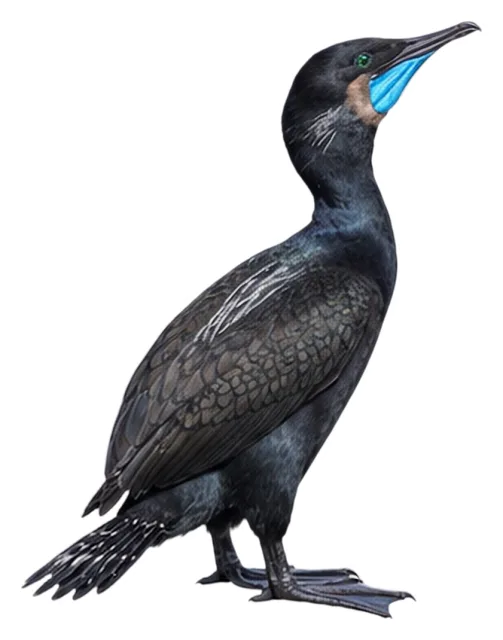 Brandt's CormorantUrile penicillatus
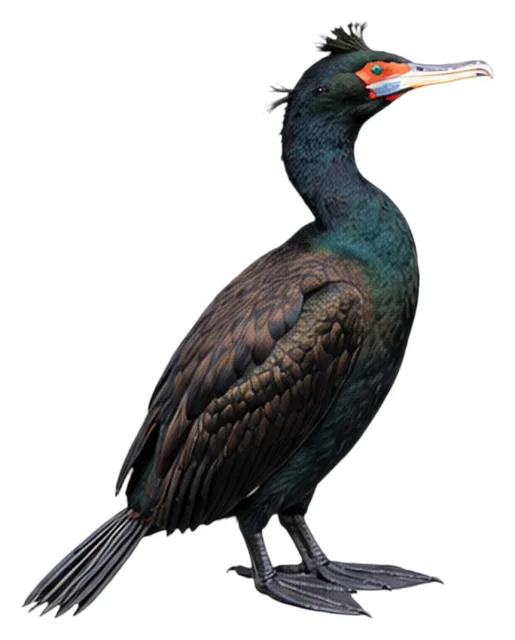 Red-faced CormorantUrile urile
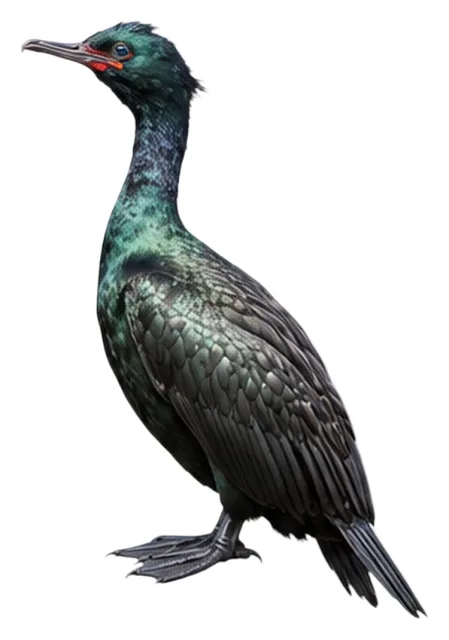 Pelagic CormorantUrile pelagicus
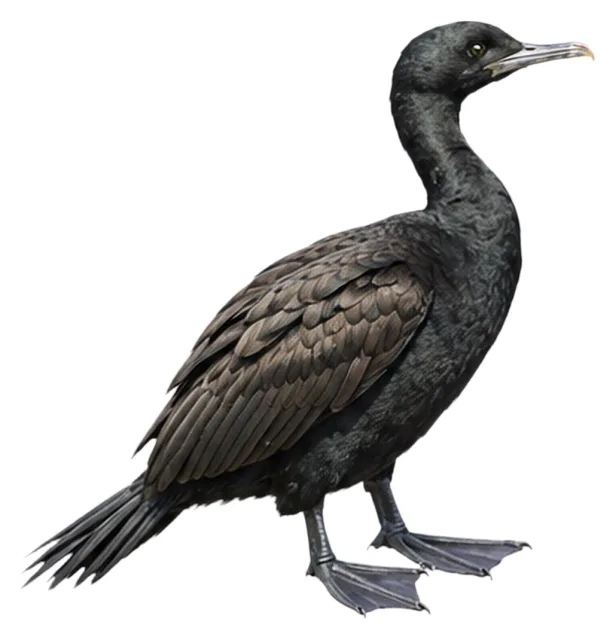 Bank CormorantPhalacrocorax neglectus
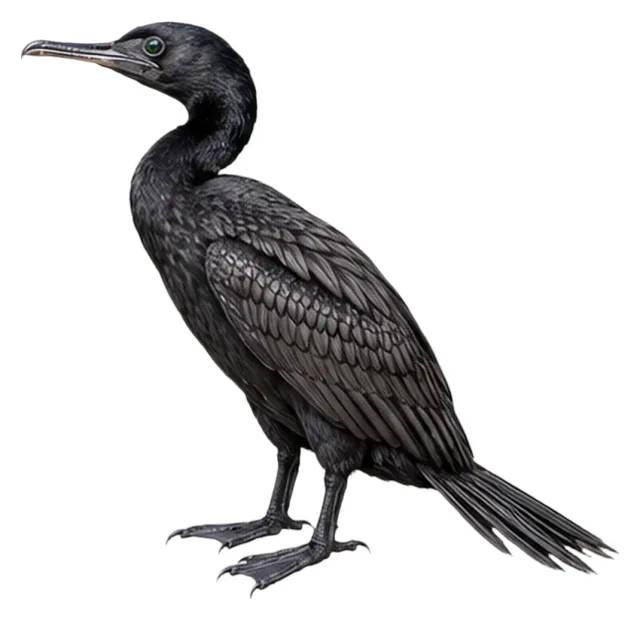 Socotra CormorantPhalacrocorax nigrogularis
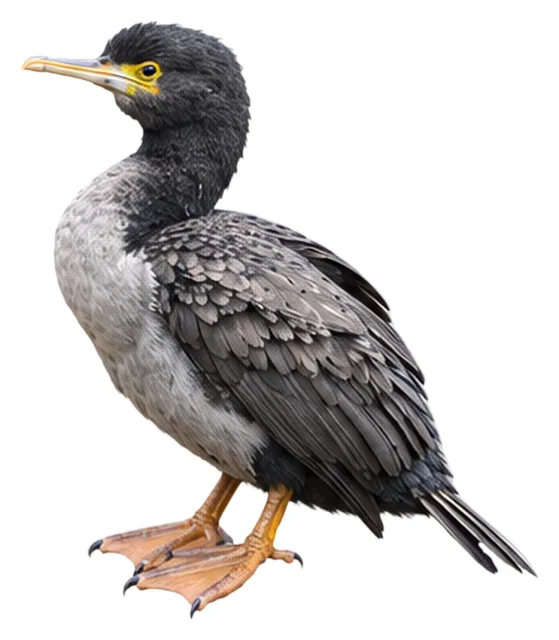 Pitt ShagPhalacrocorax featherstoni
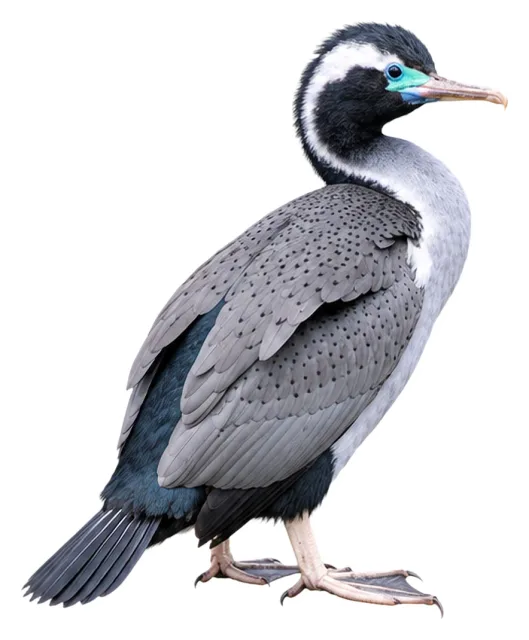 Spotted ShagPhalacrocorax punctatus
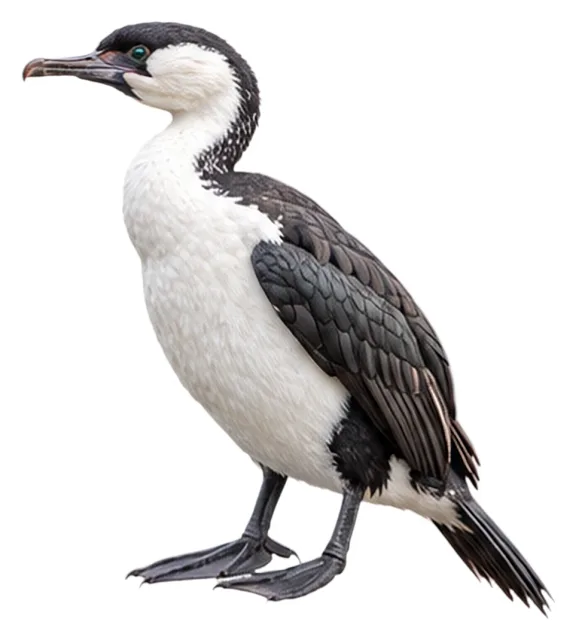 Black-faced CormorantPhalacrocorax fuscescens
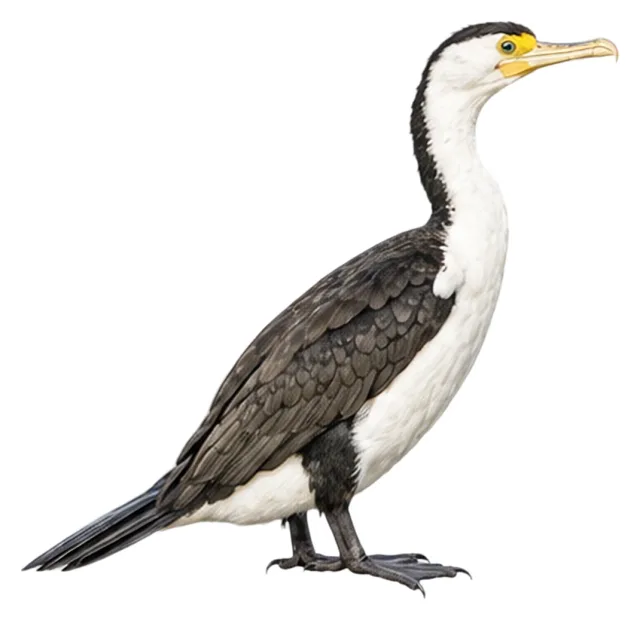 Australian Pied CormorantPhalacrocorax varius
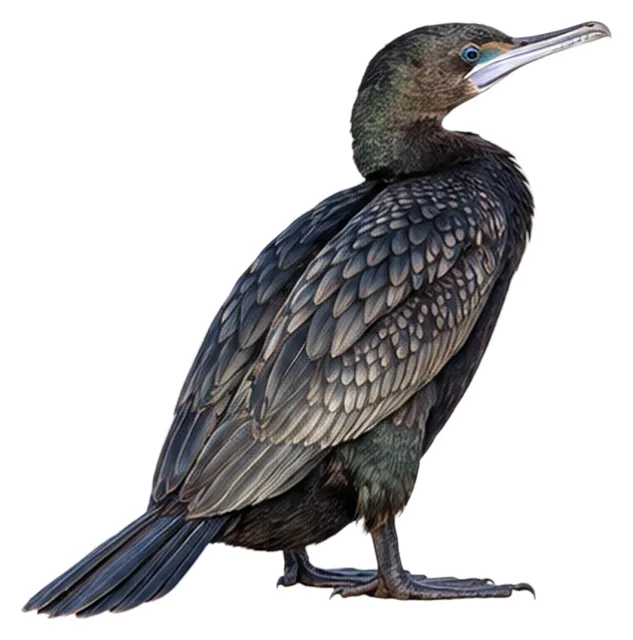 Little Black CormorantPhalacrocorax sulcirostris
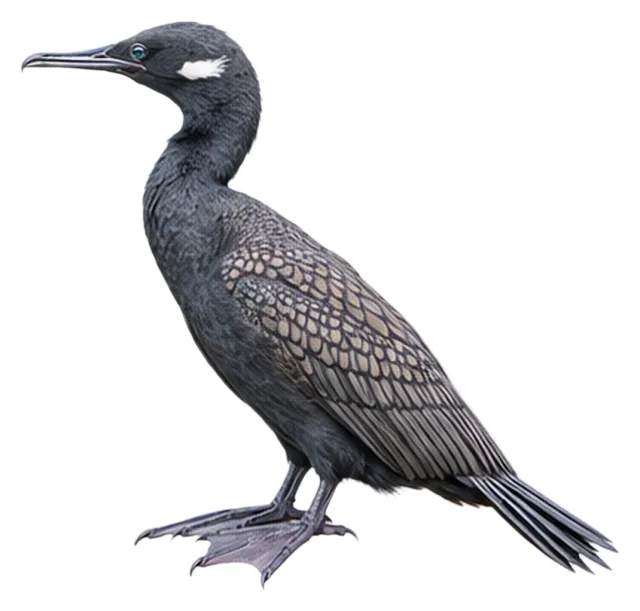 Indian CormorantPhalacrocorax fuscicollis
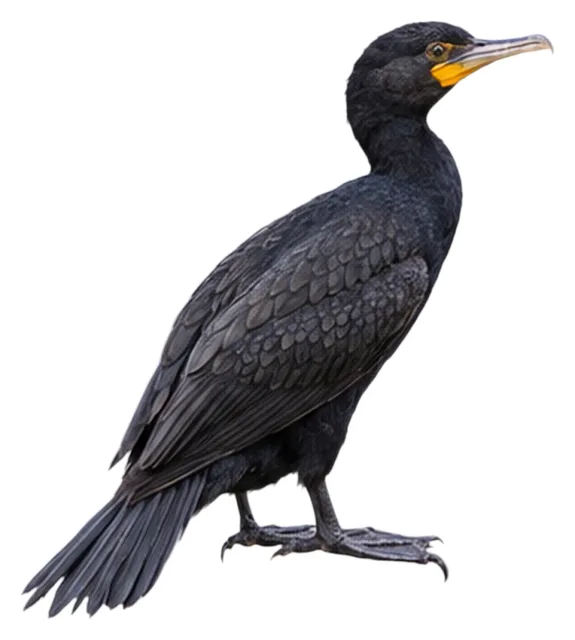 Cape CormorantPhalacrocorax capensis
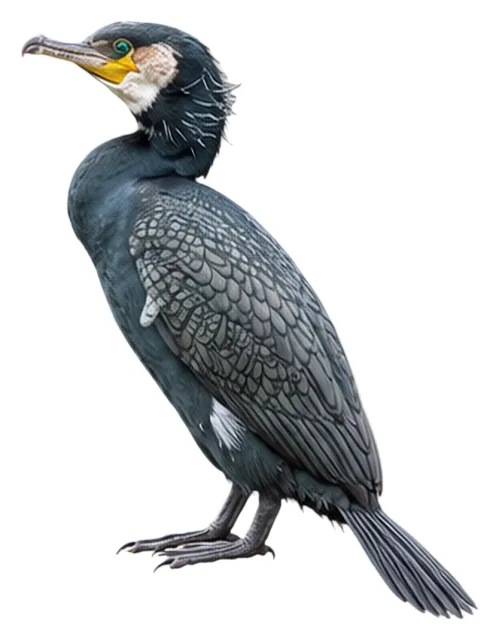 Japanese CormorantPhalacrocorax capillatus
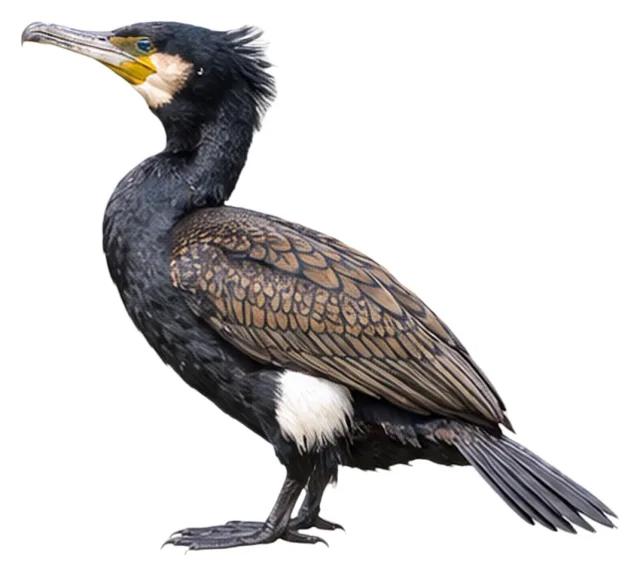 Great CormorantPhalacrocorax carbo
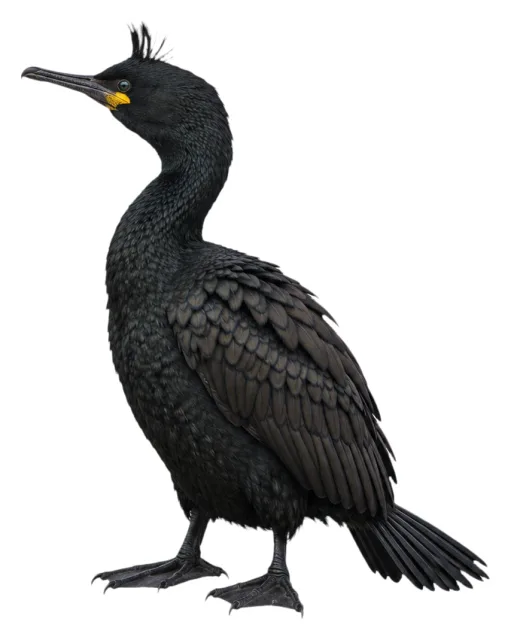 European ShagGulosus aristotelis
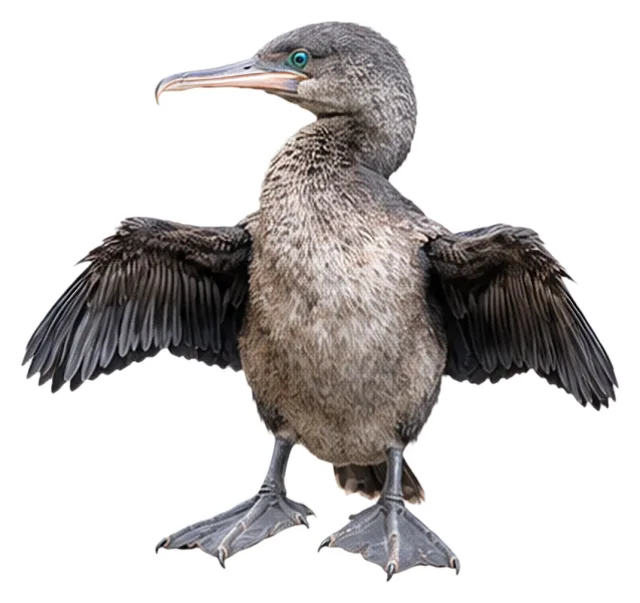 Flightless CormorantNannopterum harrisi
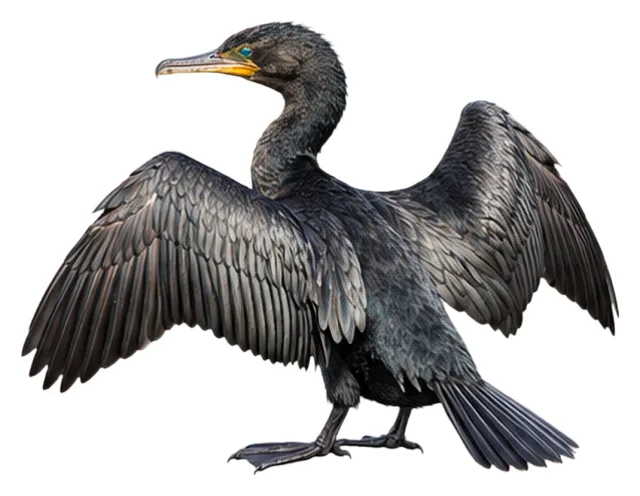 Neotropic CormorantNannopterum brasilianum
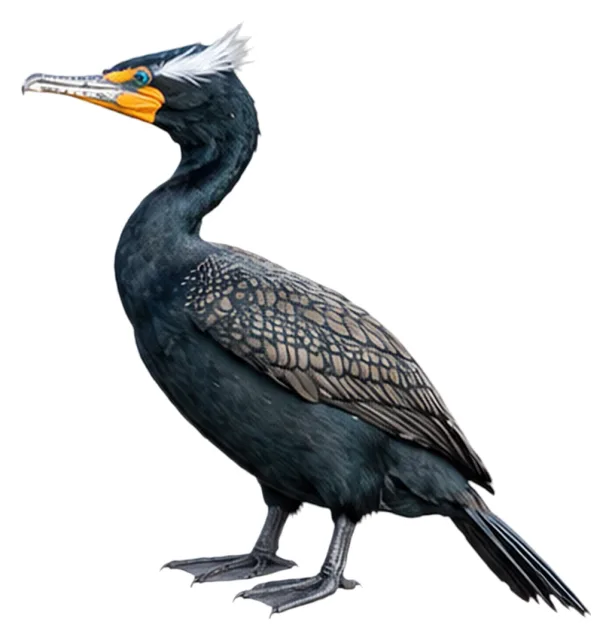 Double-crested CormorantNannopterum auritum
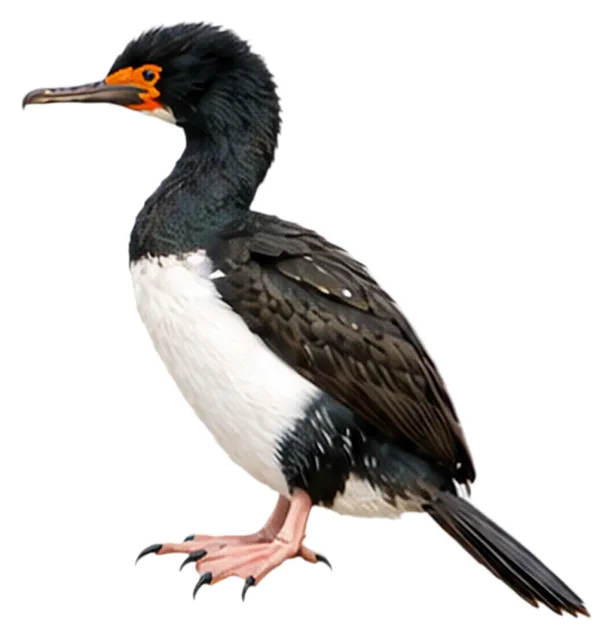 Rock ShagLeucocarbo magellanicus
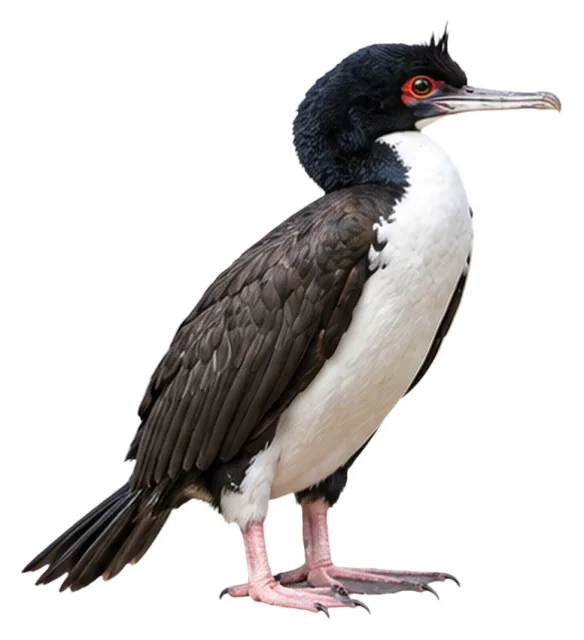 Guanay CormorantLeucocarbo bougainvilliorum
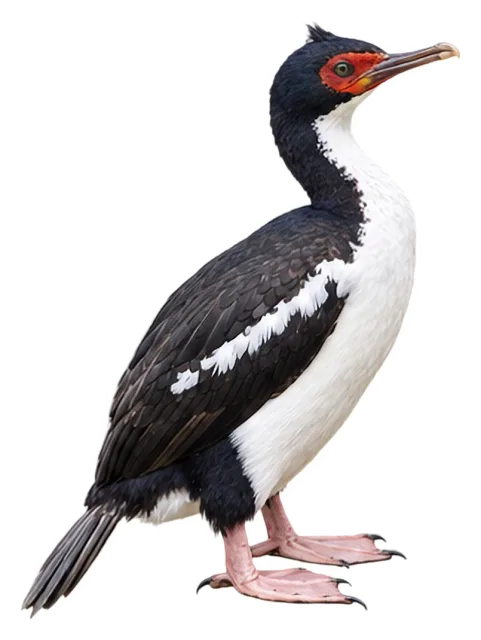 Bounty ShagLeucocarbo ranfurlyi
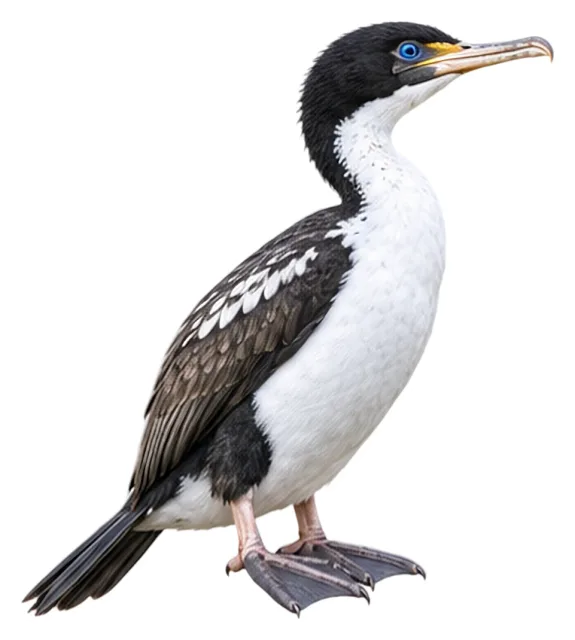 New Zealand King ShagLeucocarbo carunculatus
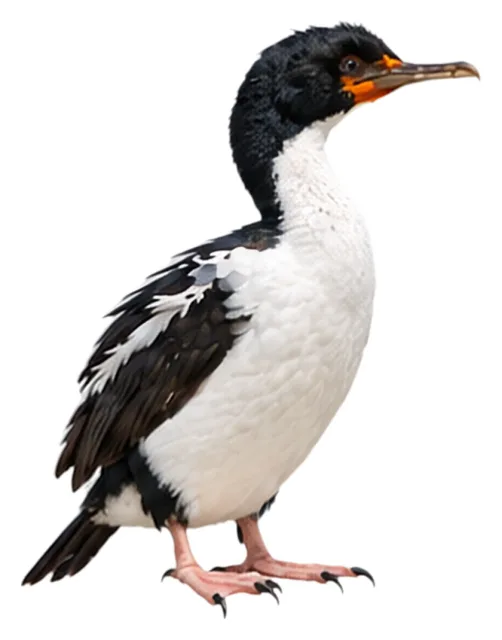 Chatham Islands ShagLeucocarbo onslowi
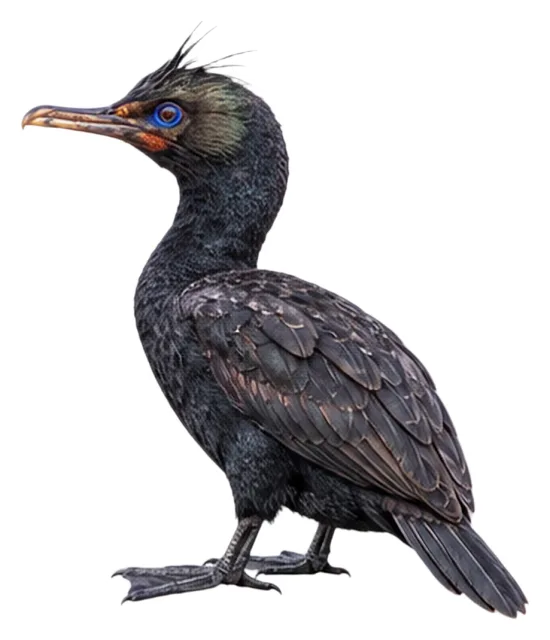 Stewart Island ShagLeucocarbo chalconotus
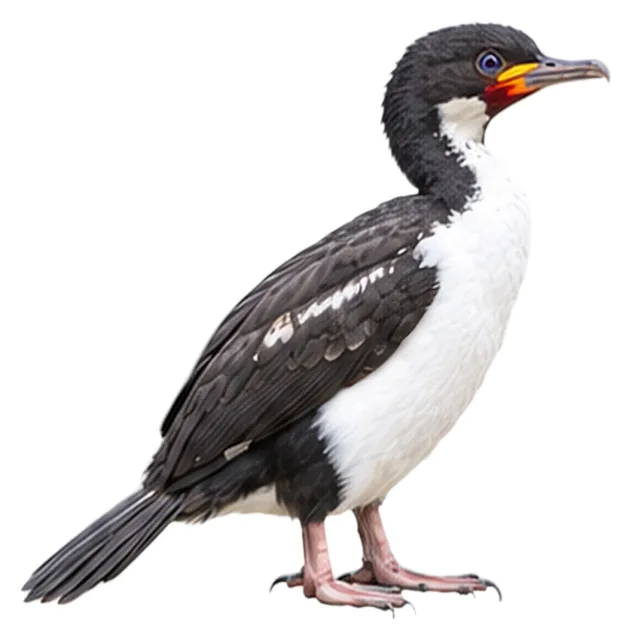 Auckland ShagLeucocarbo colensoi
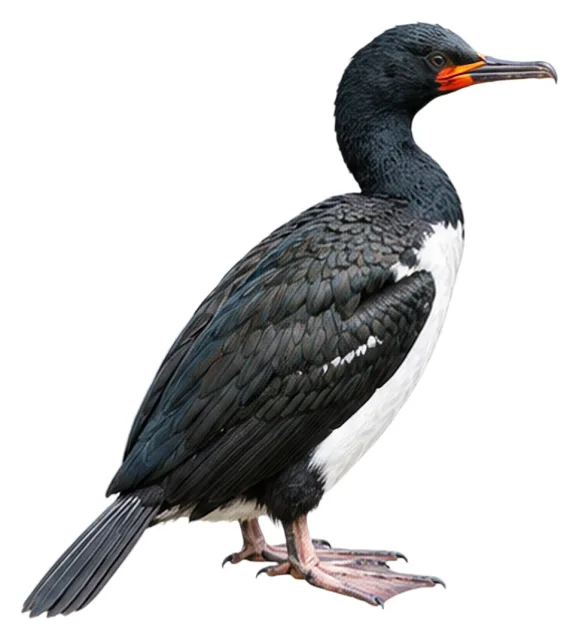 Campbell ShagLeucocarbo campbelli
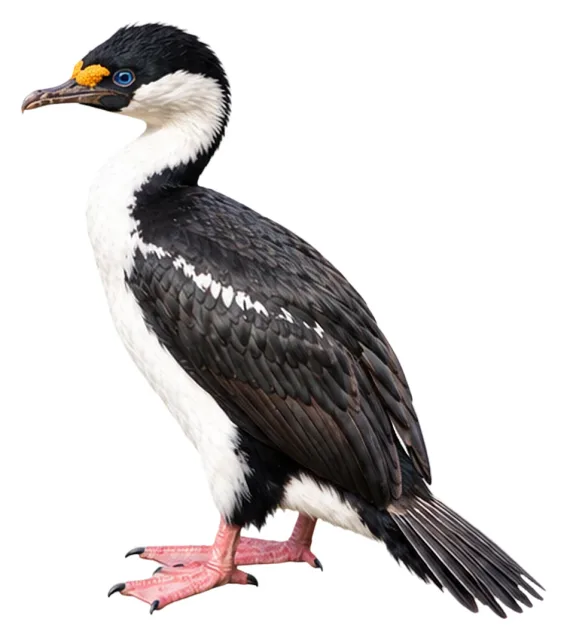 Imperial ShagLeucocarbo atriceps