BIRDGACHA / FIELD NOTES
Flamingos
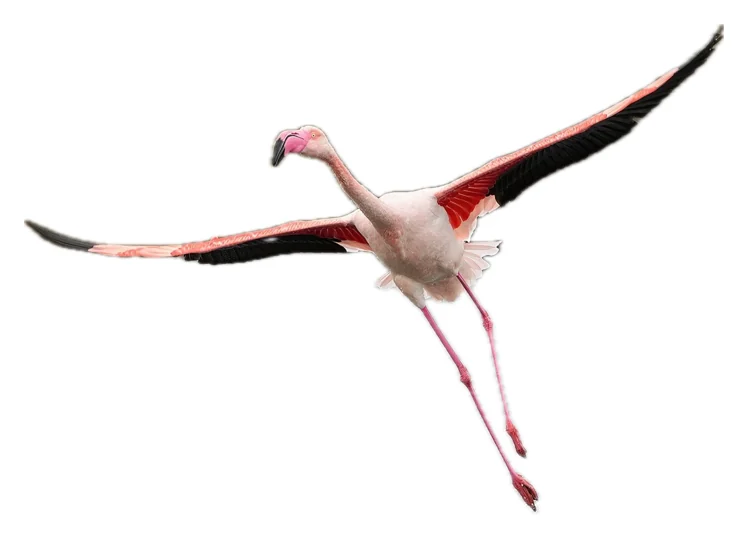
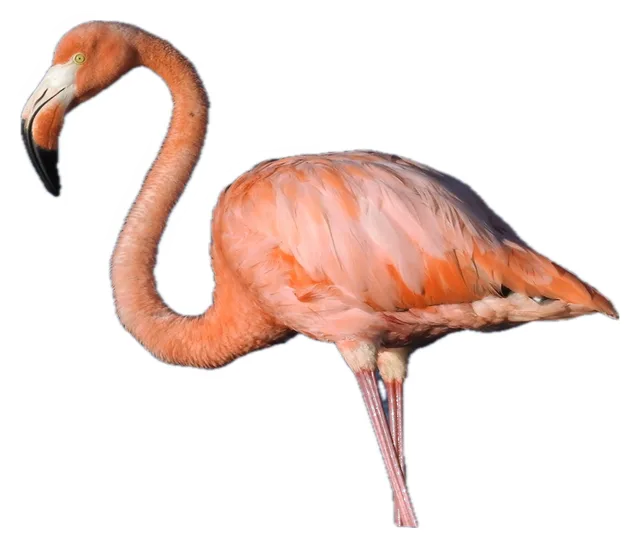
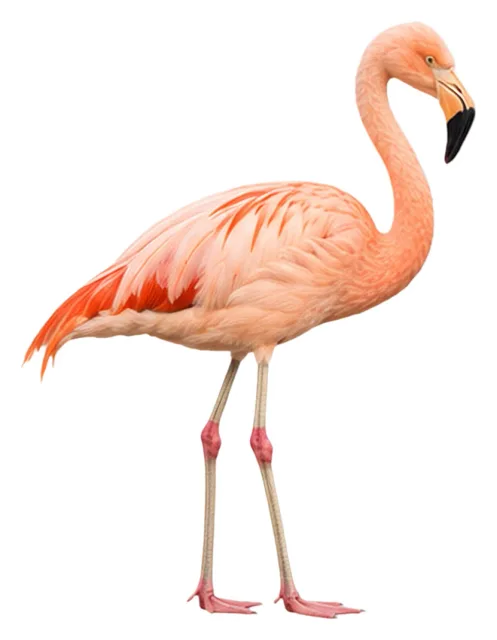
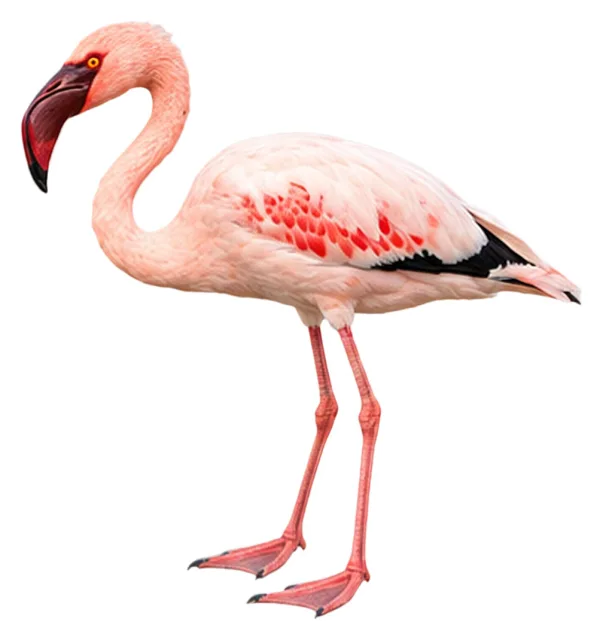
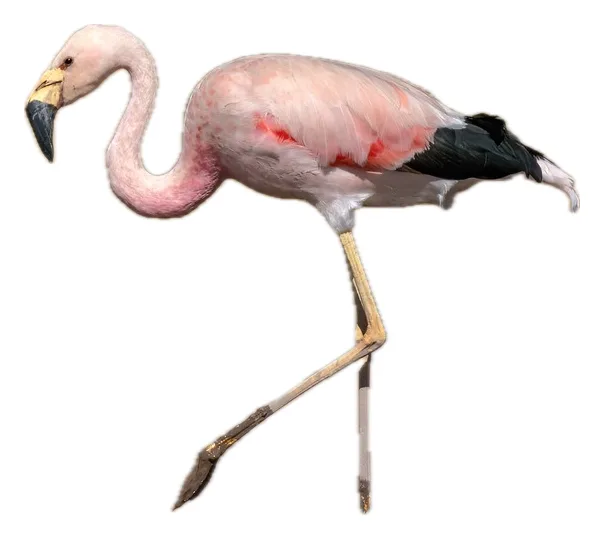
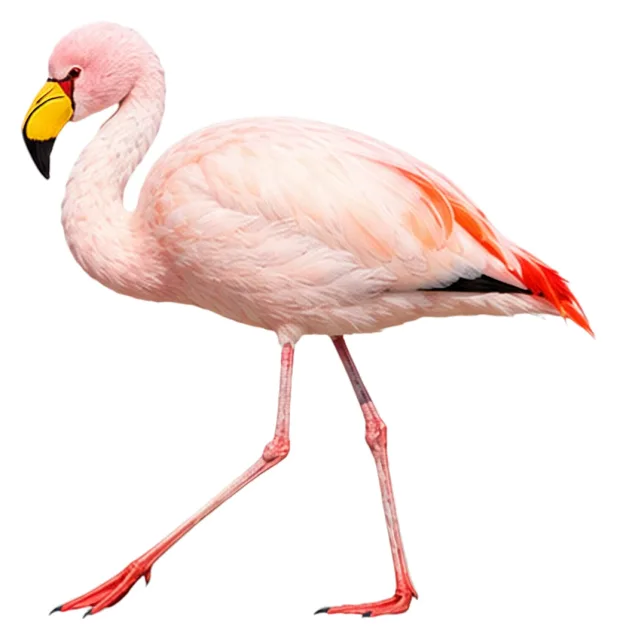
Flamingos combine exceptionally long legs, a flexible neck and a sharply bent bill used upside down while feeding. Adults have pink to reddish plumage with dark flight feathers, while young birds are much greyer. Greater Flamingo (Phoenicopterus roseus), Lesser Flamingo (Phoeniconaias minor) and Andean Flamingo (Phoenicoparrus andinus) illustrate the six species in this catalogue. Their bills filter small food particles from water, with algae and aquatic invertebrates contributing differently among species. In flight the extended neck and trailing legs produce a distinctive outline, and a closer view of bill colour and leg colour helps distinguish species within a flock.
How to recognize Flamingos
- Look for a strongly bent bill held upside down as the head sweeps through shallow water.
- Compare bill colour, the extent of the dark tip and leg colour within the local species range.
- In flight, follow the long outstretched neck, trailing legs and dark flight feathers.
- Allow for grey young birds among pink adults when comparing a feeding flock.
Where they live
Shallow saline or alkaline lakes, coastal lagoons and estuaries provide important flamingo feeding grounds. The family occurs in parts of Africa, southern Europe, Asia and the Americas, including high Andean lakes. Suitable water depth and food supplies shape flock movements, and different species can share a wetland. American Flamingos nest colonially on exposed mud or salt flats beside lagoons; the nest is often a raised mound that holds the egg above the surrounding surface.
Species accounts: Greater Flamingo · Lesser Flamingo · Andean Flamingo
Sources — natural history: Animal Diversity Web: flamingo family morphology, distribution and feeding · Cornell Lab: American Flamingo feeding, habitat and nesting · Smithsonian National Zoo: American Flamingo appearance and filter feeding.
Classification: IOC World Bird List: family names and classification.
Updated 2026-11-06. Species counts follow this site's catalogue. This is an editorial summary, not an expert peer review.
Species records retain their original English, Chinese and scientific names.
6 results · page 1 of 1