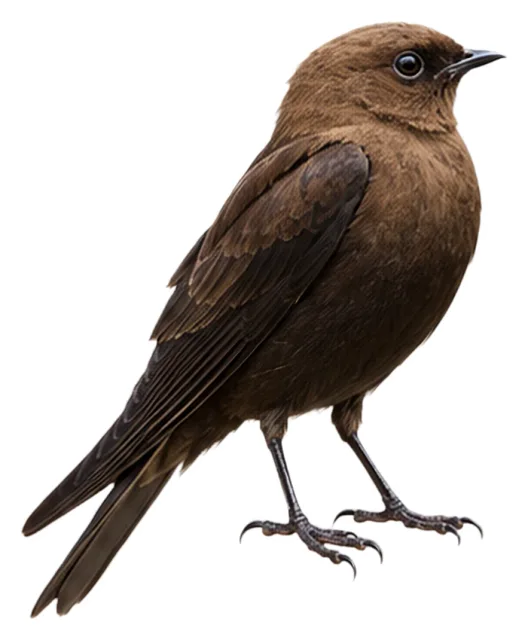
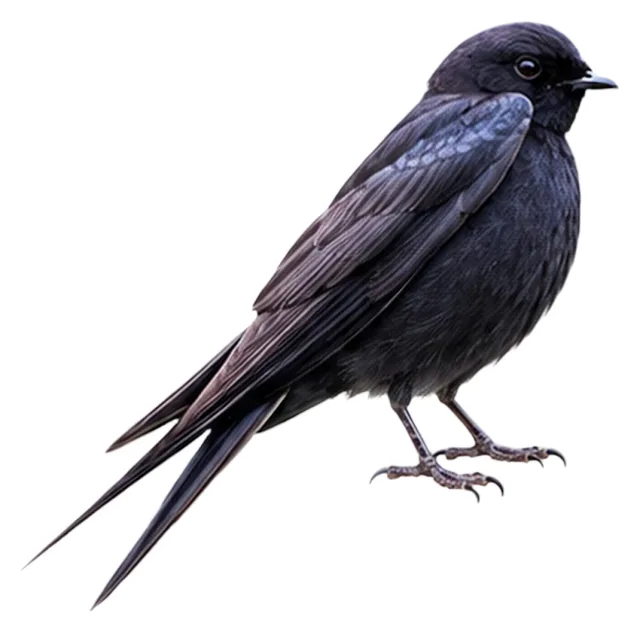
Rauchschwalbe
⚔️ Ökologische Kampfkraft-Analyse
Ökomorphologisch angepasster Schnabel und wendige Stoßkraft, perfekt abgestimmt auf die Nahrungsnische (ANG 38).
Leichtgewichtige Agilität und Tarngefieder setzen auf schnelle Ausweichmanöver statt schwere Panzerung (VER 20).
* Die Texte erläutern Spielfähigkeiten, keine gemessene Körperkraft. Generierte Werte nutzen Körpermasse, Seltenheit und Balanceregeln; ursprüngliche Karten behalten manuelle Werte.
🌍 Verbreitung & Lebensraum
📚 Wissenschaftliche Quellen & Wikipedia
📖 Vollständigen Wikipedia-Artikel lesenRauchschwalbe
Hirundo rusticaA fork-tailed aerial insect hunter, sweeping over fields before returning to a sheltered nest.
7482 / 11068
Im Kartenduell spielen ↗Field identification notes
Barn Swallow or House Martin? Compare the throat, tail and rump.
- Identification
- Combine glossy dark upperparts, a reddish throat and long tail streamers; juveniles have shorter tails.
- Where to look
- Watch aerial feeding over open country and water; use local records for migration timing.
- Comparison points
- Against House Martin, check for its contrasting white rump; aerial insect hunting alone is not diagnostic.
- Observation tip
- Follow several passes to compare rump, throat and tail, rather than relying on one blurred image.
Compare another species: Mehlschwalbe
Source checked 2026-11-02: RSPB · Barn Swallow. Regional observations in the source are not global population assessments.