Kohlmeise
Kohlmeise · BirdGacha
Kohlmeise
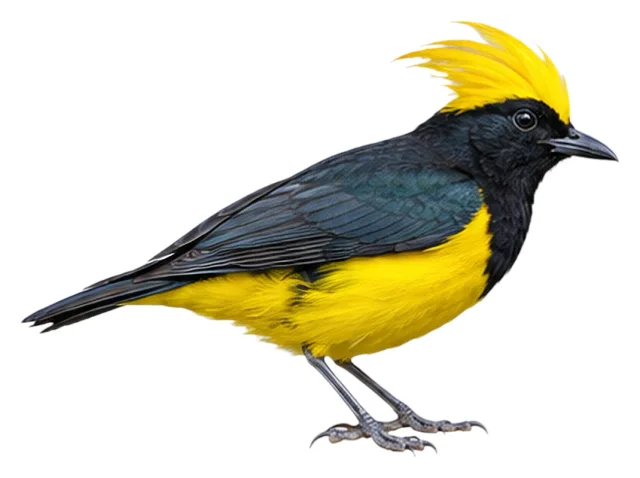
Parus majorA lively woodland and garden bird with a black head, pale cheeks and a yellow breast.
7124 / 11068
Illustration · nicht maßstabsgetreu
- Körpergewicht
- 16.3 g
- Flügelspannweite
- 23 cm
- Nahrung
- Wirbellose
- Zugverhalten
- Standvogel
⚔️ Ökologische Kampfkraft-Analyse
Ökomorphologisch angepasster Schnabel und wendige Stoßkraft, perfekt abgestimmt auf die Nahrungsnische (ANG 48).
Leichtgewichtige Agilität und Tarngefieder setzen auf schnelle Ausweichmanöver statt schwere Panzerung (VER 38).
* Die Texte erläutern Spielfähigkeiten, keine gemessene Körperkraft. Generierte Werte nutzen Körpermasse, Seltenheit und Balanceregeln; ursprüngliche Karten behalten manuelle Werte.
Erkennungsmerkmale
Start with the black head, pale cheeks and yellow-green plumage rather than size alone.
Ähnliche Arten
Artspezifische Vergleiche fehlen noch. Verwandte Vögel sehen nicht zwingend ähnlich aus.
Rufe & Gesang
Marie-Lan Taÿ Pamart · Quellen & Nachweise
🌍 Verbreitung & Lebensraum
16 · Unterarten & Verbreitung
- Parus major newtoni
British Isles
- Parus major major
mainland Europe to w, sc Siberia, the Caucasus and Asia Minor
- Parus major kapustini
se Kazakhstan and nw China to Mongolia and e Siberia
- Parus major corsus
Portugal, s Spain and Corsica
- Parus major mallorcae
Balearic Is.
- Parus major excelsus
nw Africa
- Parus major ecki
Sardinia
- Parus major aphrodite
s Italy, s Greece, the Aegean Is. and Cyprus
- Parus major niethammeri
Crete
- Parus major terraesanctae
Syria to ne Egypt
- Parus major karelini
se Azerbaijan and nw Iran
- Parus major blanfordi
n Iraq, nc, sw Iran
- Parus major bokharensis
Turkmenistan and n Afghanistan to sc Kazakhstan and Uzbekistan
- Parus major turkestanicus
se Kazakhstan to sw Mongolia
- Parus major ferghanensis
Tajikistan and Kyrgyzstan to w China
- Parus major intermedius
ne Iran and sw Turkmenistan
Häufige Fragen
Wie lautet der wissenschaftliche Name?
Parus major
Zu welcher Familie gehört die Art?
Tits, Chickadees (Paridae)
Wo kommt sie vor?
Palearctic: Western & Central EurAsia and Northern Africa
Quellen & Nachweise
📖 Vollständigen Wikipedia-Artikel lesen- IOC World Bird List 15.2 ↗
- AVONET ↗
- Illustrationsnachweis ↗ · huashu-bird-sticker · PolyForm-Shield-1.0.0
- Illustrationsvorlage ↗ · Frank Vassen from Brussels, Belgium · CC BY 2.0
Field identification notes
Great Tit identification: dark head, pale cheeks and repeated two-note song.
- Identification
- Start with the black head, pale cheeks and yellow-green plumage rather than size alone.
- Where to look
- Look in woodland and gardens; winter flocks may include other tit species.
- Comparison points
- Check each bird's head pattern in mixed flocks instead of assigning the entire flock one identity.
- Observation tip
- Match repeated two-note phrases to a visible bird and confirm with plumage.
Compare another species: Blaumeise
Source checked 2026-11-02: RSPB · Great Tit. Regional observations in the source are not global population assessments.