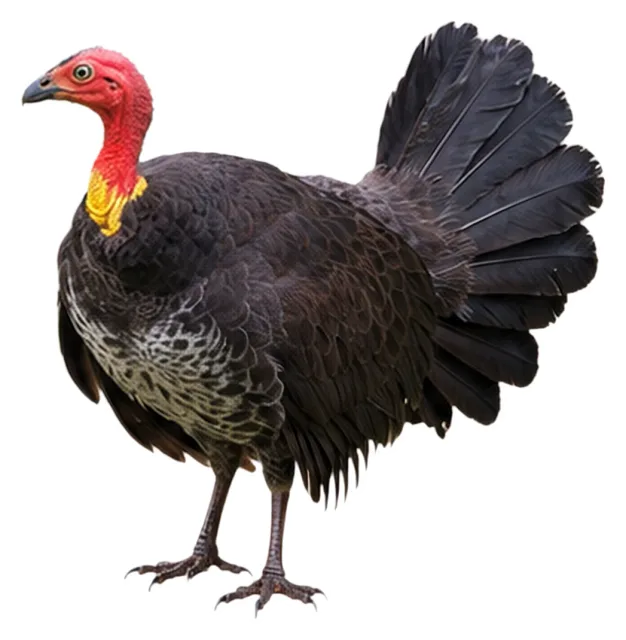
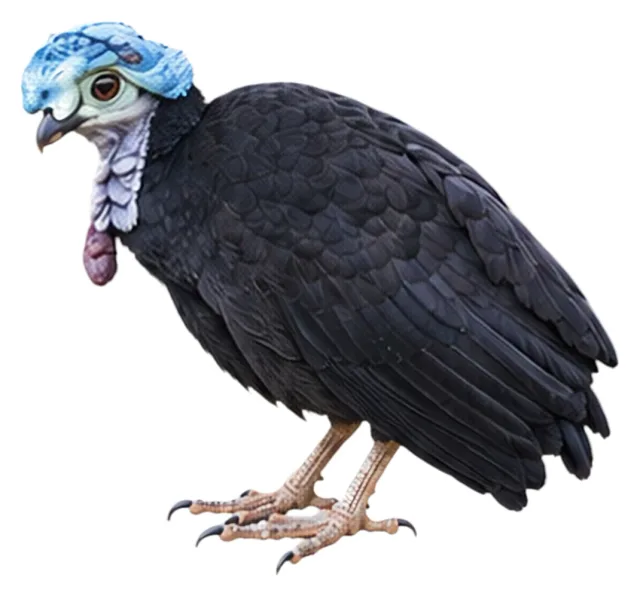
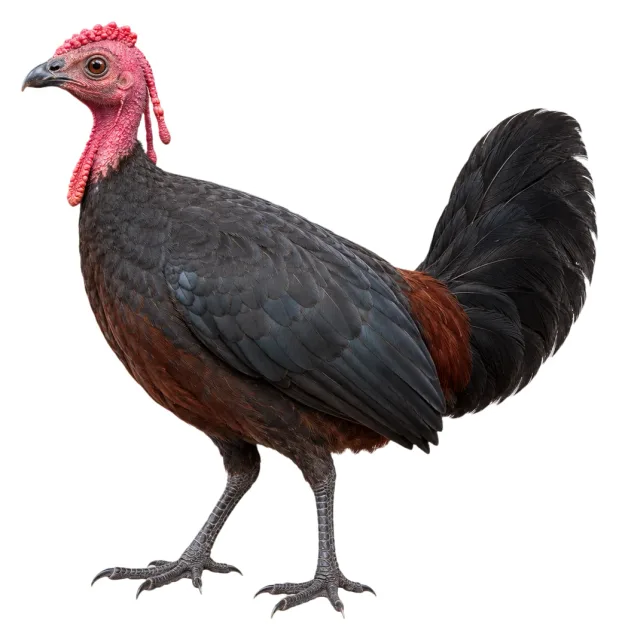
Philippine Megapode
Philippine Megapode · BirdGacha
242 / 11068
Illustration · not to scale
- Body Mass
- 1.04 kg
- Diet
- Omnivorous
- Migration
- Resident
⚔️ Ecological Combat Rationale
Ecomorphologically adapted beak and agile strike momentum tailored to its foraging competition niche (ATK 135).
Lightweight agility and protective plumage camouflage favoring rapid evasive maneuverability over raw armor (DEF 112).
* These descriptions interpret game abilities, not measured physical strength. Generated scores use body mass, rarity and balancing rules; legacy cards retain manual values.
How to identify
Detailed field marks are not yet available. Use the linked sources to confirm an identification.
Similar species
Species-specific comparison notes are not yet available. Related birds below are not necessarily lookalikes.
Calls & songs
A playable recording is not currently available for this species.
🌍 Range & Habitat
7 · Subspecies & regional ranges
- Megapodius cumingii cumingii
islets off Balabac, Palawan, Calamian Is. and Sulu Arch. (sw, s Philippines) and ne Borneo
- Megapodius cumingii dillwyni
Luzon, Mindoro, Marinduque and satellites (n Philippines)
- Megapodius cumingii pusillus
Visayas, w Mindanao and Basilan (c, s Philippines)
- Megapodius cumingii tabon
e Mindanao (s Philippines)
- Megapodius cumingii gilbertii
Sulawesi and Togian Is. (between ne and ec Sulawesi)
- Megapodius cumingii sanghirensis
Sangihe Is. including Siau (n of ne Sulawesi)
- Megapodius cumingii talautensis
Talaud Is. (ne of ne Sulawesi)
Frequently asked questions
What is its scientific name?
Megapodius cumingii
Which family does it belong to?
Megapodes (Megapodiidae)
Where is it found?
Oriental & Australasia: Philippines & Borneo and Sulawesi
Sources & credits
📖 Open Full Article on Wikipedia- IOC World Bird List 15.2 ↗
- AVONET ↗
- Bird illustration credits ↗ · huashu-bird-sticker · PolyForm-Shield-1.0.0
- Illustration reference ↗ · Rob Jansen · All rights reserved