Rotkehlchen
Rotkehlchen · BirdGacha
Rotkehlchen
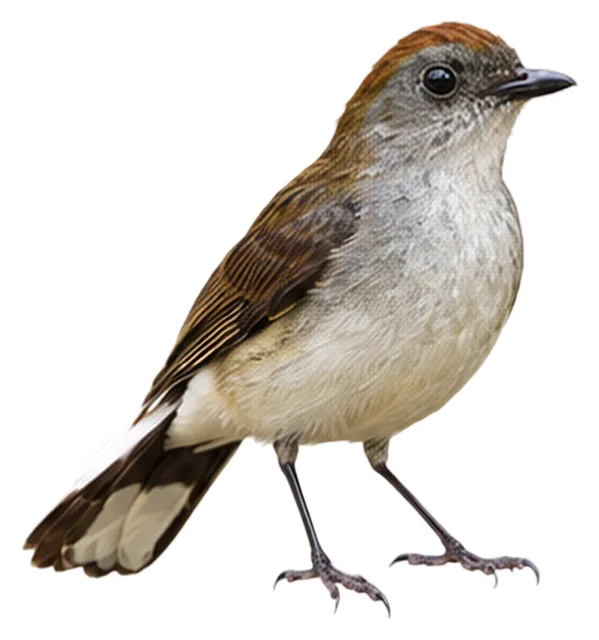
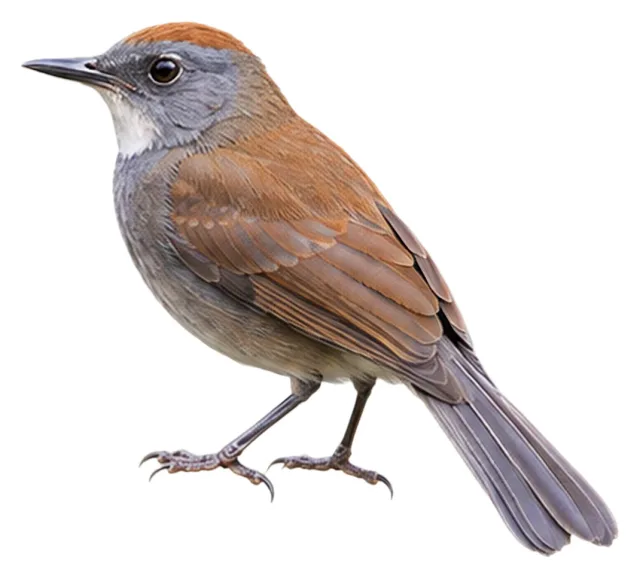
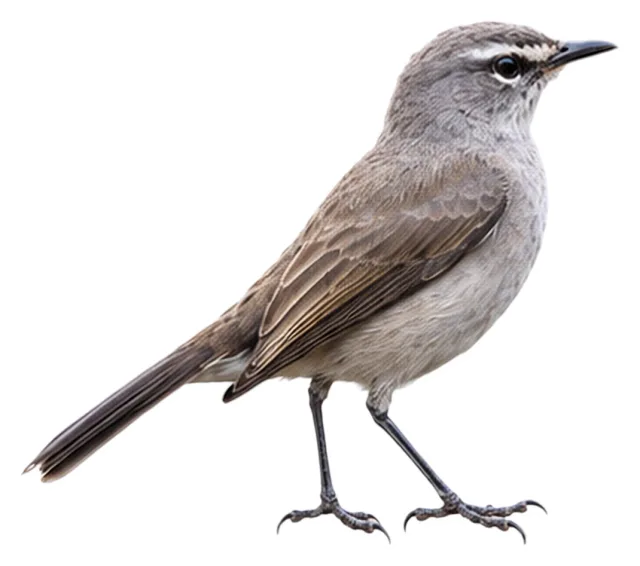
Erithacus rubeculaAn orange-breasted garden companion, often following gardeners as they turn the soil.
9104 / 11068
Illustration · nicht maßstabsgetreu
- Körperlänge
- 12.5–14 cm
- Körpergewicht
- 17.7 g
- Flügelspannweite
- 21 cm
- Nahrung
- Allesfresser
- Zugverhalten
- Zugvogel
⚔️ Ökologische Kampfkraft-Analyse
Ökomorphologisch angepasster Schnabel und wendige Stoßkraft, perfekt abgestimmt auf die Nahrungsnische (ANG 58).
Leichtgewichtige Agilität und Tarngefieder setzen auf schnelle Ausweichmanöver statt schwere Panzerung (VER 42).
* Die Texte erläutern Spielfähigkeiten, keine gemessene Körperkraft. Generierte Werte nutzen Körpermasse, Seltenheit und Balanceregeln; ursprüngliche Karten behalten manuelle Werte.
Erkennungsmerkmale
Adults have the familiar orange-red breast; juveniles lack it and have spotted brown plumage.
Ähnliche Arten
Artspezifische Vergleiche fehlen noch. Verwandte Vögel sehen nicht zwingend ähnlich aus.
Rufe & Gesang
Pietro Maiorana · Quellen & Nachweise
🌍 Verbreitung & Lebensraum
9 · Unterarten & Verbreitung
- Erithacus rubecula melophilus
British Isles
- Erithacus rubecula rubecula
Azores, Madeira and w Canary Is. (n to c Macaronesia, nw of n Africa), continental Europe to Ural Mts., w Turkey and nw Morocco
- Erithacus rubecula superbus
Tenerife (c Canary Is., c Macaronesia, nw of n Africa)
- Erithacus rubecula marionae
Gran Canaria (c Canary Is., c Macaronesia, nw of n Africa)
- Erithacus rubecula witherbyi
n Algeria and n Tunisia
- Erithacus rubecula valens
s Crimean Pen. (s Ukraine)
- Erithacus rubecula caucasicus
e Turkey and the Caucasus
- Erithacus rubecula hyrcanus
se Azerbaijan and n Iran
- Erithacus rubecula tataricus
Ural Mts. and sw Siberia
Häufige Fragen
Wie lautet der wissenschaftliche Name?
Erithacus rubecula
Zu welcher Familie gehört die Art?
Chats, Old World Flycatchers (Muscicapidae)
Wo kommt sie vor?
Palearctic: Western & Central
Quellen & Nachweise
📖 Vollständigen Wikipedia-Artikel lesen- IOC World Bird List 15.2 ↗
- AVONET ↗
- Körperlänge: Wikipedia ↗
- Illustrationsnachweis ↗ · huashu-bird-sticker · PolyForm-Shield-1.0.0
- Illustrationsvorlage ↗ · Philip Mark Osso · CC BY-NC
Field identification notes
European Robin field notes: the adult breast, spotted juveniles and territorial behaviour.
- Identification
- Adults have the familiar orange-red breast; juveniles lack it and have spotted brown plumage.
- Where to look
- The guide records woodland, park and garden birds, sometimes following disturbed soil.
- Comparison points
- The sexes look alike. Do not use breast colour alone to sex a bird; consider juvenile plumage first.
- Observation tip
- Note song posts and responses to intruders; the species can defend territories vigorously.
Source checked 2026-11-02: RSPB · European Robin. Regional observations in the source are not global population assessments.