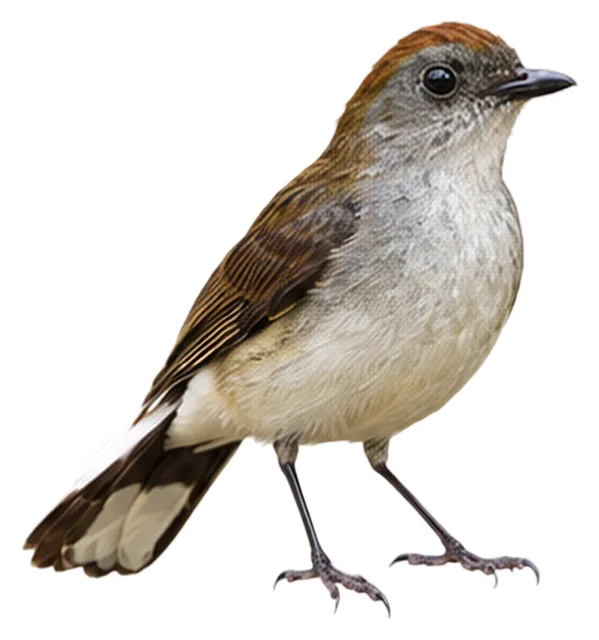
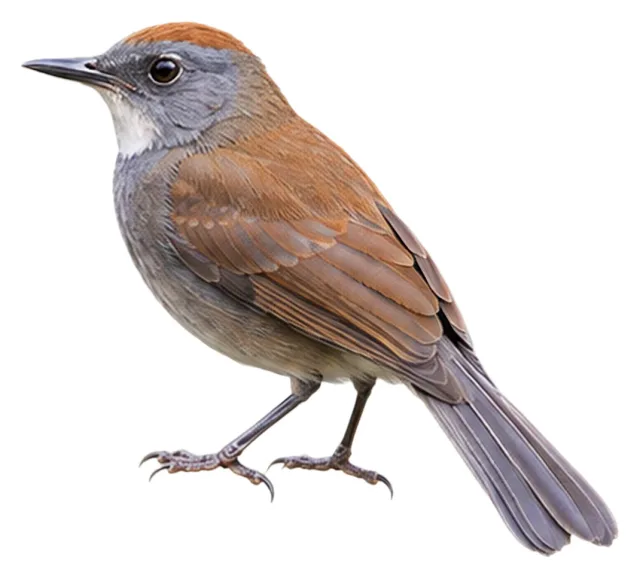
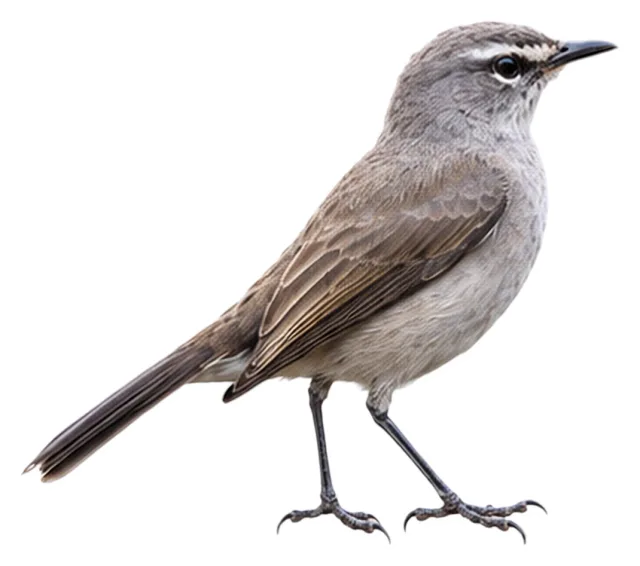
Petirrojo europeo
Petirrojo europeo · BirdGacha
Petirrojo europeo
Erithacus rubeculaAn orange-breasted garden companion, often following gardeners as they turn the soil.
9104 / 11068
Ilustración · no a escala
- Longitud
- 12.5–14 cm
- Masa Corporal
- 17.7 g
- Envergadura
- 21 cm
- Dieta
- Omnívora
- Migración
- Migratoria
⚔️ Análisis de Combate Ecológico
Pico adaptado y agilidad ligera para competir con éxito en su nicho ecológico natural (ATQ 58).
Estructura ágil y camuflaje que favorecen la evasión rápida y maniobrabilidad en lugar de blindaje pesado (DEF 42).
* Estas descripciones interpretan habilidades del juego, no fuerza física medida. Las puntuaciones usan masa, rareza y reglas de equilibrio; las cartas originales conservan valores manuales.
Cómo identificarla
Adults have the familiar orange-red breast; juveniles lack it and have spotted brown plumage.
Especies similares
Aún no hay comparaciones específicas. Las aves relacionadas no son necesariamente similares.
Cantos y llamadas
Pietro Maiorana · Fuentes y créditos
🌍 Distribución y Hábitat
9 · Subespecies y distribución
- Erithacus rubecula melophilus
British Isles
- Erithacus rubecula rubecula
Azores, Madeira and w Canary Is. (n to c Macaronesia, nw of n Africa), continental Europe to Ural Mts., w Turkey and nw Morocco
- Erithacus rubecula superbus
Tenerife (c Canary Is., c Macaronesia, nw of n Africa)
- Erithacus rubecula marionae
Gran Canaria (c Canary Is., c Macaronesia, nw of n Africa)
- Erithacus rubecula witherbyi
n Algeria and n Tunisia
- Erithacus rubecula valens
s Crimean Pen. (s Ukraine)
- Erithacus rubecula caucasicus
e Turkey and the Caucasus
- Erithacus rubecula hyrcanus
se Azerbaijan and n Iran
- Erithacus rubecula tataricus
Ural Mts. and sw Siberia
Preguntas frecuentes
¿Cuál es su nombre científico?
Erithacus rubecula
¿A qué familia pertenece?
Chats, Old World Flycatchers (Muscicapidae)
¿Dónde se encuentra?
Palearctic: Western & Central
Fuentes y créditos
📖 Ver Artículo Completo en Wikipedia- IOC World Bird List 15.2 ↗
- AVONET ↗
- Longitud: Wikipedia ↗
- Créditos de la ilustración ↗ · huashu-bird-sticker · PolyForm-Shield-1.0.0
- Referencia de la ilustración ↗ · Philip Mark Osso · CC BY-NC
Field identification notes
European Robin field notes: the adult breast, spotted juveniles and territorial behaviour.
- Identification
- Adults have the familiar orange-red breast; juveniles lack it and have spotted brown plumage.
- Where to look
- The guide records woodland, park and garden birds, sometimes following disturbed soil.
- Comparison points
- The sexes look alike. Do not use breast colour alone to sex a bird; consider juvenile plumage first.
- Observation tip
- Note song posts and responses to intruders; the species can defend territories vigorously.
Source checked 2026-11-02: RSPB · European Robin. Regional observations in the source are not global population assessments.