Bruant des roseaux
Bruant des roseaux · BirdGacha
10232 / 11068
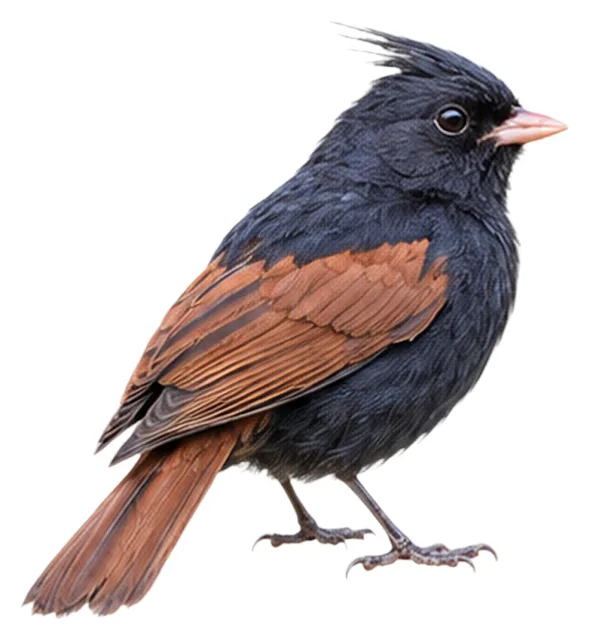
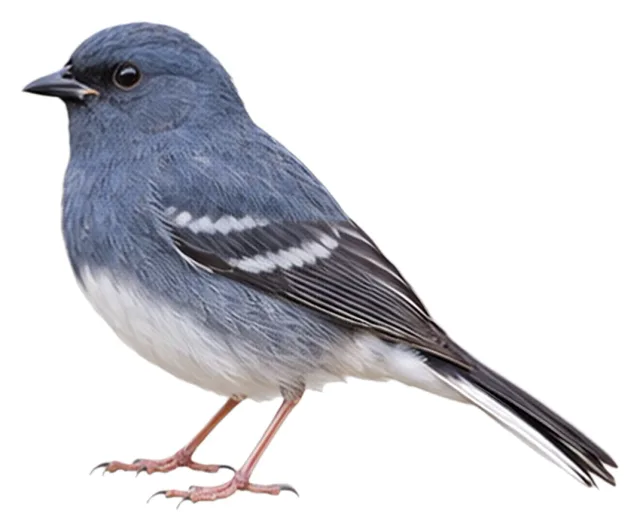
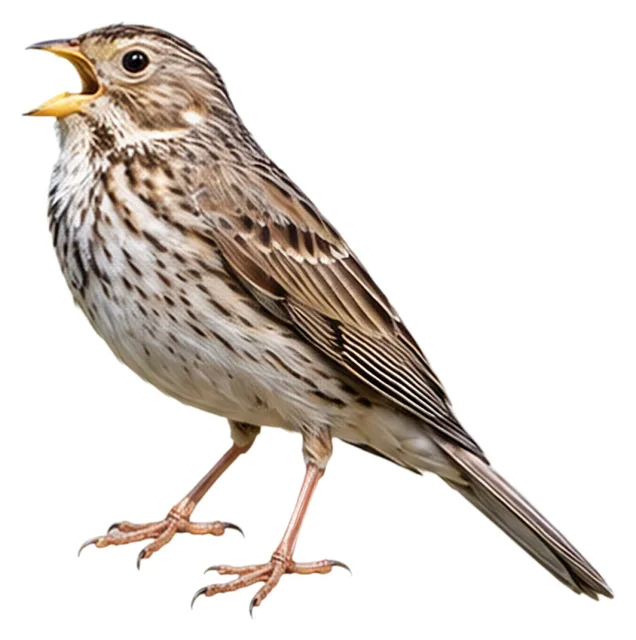
Illustration · non à l’échelle
- Masse corporelle
- 18.4 g
- Envergure
- 24 cm
- Alimentation
- Omnivore
- Migration
- Partiellement migrateur
⚔️ Analyse de Combat Écologique
Bec en poignard ou en harpon pour des frappes d'une précision chirurgicale et une vive accélération sous l'eau (ATQ 79).
Plumage graissé et imperméable protégeant contre les courants froids et la friction aquatique (DÉF 53).
* Ces textes interprètent des capacités de jeu, pas une force physique mesurée. Les scores utilisent masse, rareté et équilibrage ; les cartes d’origine gardent leurs valeurs manuelles.
Comment l’identifier
Les critères détaillés ne sont pas encore disponibles. Consultez les sources liées.
Espèces similaires
Les comparaisons précises ne sont pas disponibles. Les espèces apparentées ne sont pas forcément semblables.
Cris et chants
Teet Sirotkin · Sources et crédits
🌍 Répartition et Habitat
19 · Sous-espèces et répartition
- Emberiza schoeniclus lusitanica
nw Spain and Portugal
- Emberiza schoeniclus schoeniclus
w, n, nc Europe to n European Russia
- Emberiza schoeniclus passerina
nw Siberia
- Emberiza schoeniclus parvirostris
c Siberia
- Emberiza schoeniclus pyrrhulina
sc Siberia and ne Mongolia to Kamchatka Pen., Kuril Is., n Japan and ne China
- Emberiza schoeniclus pallidior
sw Siberia and n Kazakhstan
- Emberiza schoeniclus stresemanni
e Austria, Hungary, n Serbia and nw Romania
- Emberiza schoeniclus ukrainae
Moldova and Ukraine to c European Russia
- Emberiza schoeniclus incognita
se European Russia to nw, c, ne Kazakhstan
- Emberiza schoeniclus witherbyi
Spain (except nw), s France, Sardinia, Balearic Is. and Morocco
- Emberiza schoeniclus intermedia
Italy and the Adriatic coast to Albania
- Emberiza schoeniclus tschusii
Bulgaria, Romania and the n Black Sea region
- Emberiza schoeniclus reiseri
se Albania, nw Greece, Macedonia and w, c Turkey
- Emberiza schoeniclus caspia
e Turkey, the Caucasus and n Iran
- Emberiza schoeniclus korejewi
sw, e Iran, s Turkmenistan
- Emberiza schoeniclus pyrrhuloides
w Kazakhstan to se Kazakhstan
- Emberiza schoeniclus harterti
e Kazakhstan to c Mongolia and nw China
- Emberiza schoeniclus centralasiae
w China
- Emberiza schoeniclus zaidamensis
wc China
Questions fréquentes
Quel est son nom scientifique ?
Emberiza schoeniclus
À quelle famille appartient-elle ?
Buntings (Emberizidae)
Où vit-elle ?
Palearctic: subarctic to temperate Palearctic marshes: British Isles & Scandinavia and Northwestern Russia through Sea of Okhotsk & Kamchatka & Kuril Is. and Sakhalin (Eastern Russia); in Southern through Iberian Pen. and Northwestern Morocco & Eastern through Mediterranean & Turkey & Caucasus & Northern & South-central Iran & Turkmenistan and Tajikistan to Northern Xinjiang (Northwestern China) & Western Mongolia & Northeastern China and Hokkaido and Northern Honshu (Northern Japan)
Sources et crédits
📖 Lire l'article complet sur Wikipédia- IOC World Bird List 15.2 ↗
- AVONET ↗
- Crédits de l’illustration ↗ · huashu-bird-sticker · PolyForm-Shield-1.0.0
- Référence de l’illustration ↗ · caroline legg · CC BY 2.0