Mésange charbonnière
Mésange charbonnière · BirdGacha
Mésange charbonnière
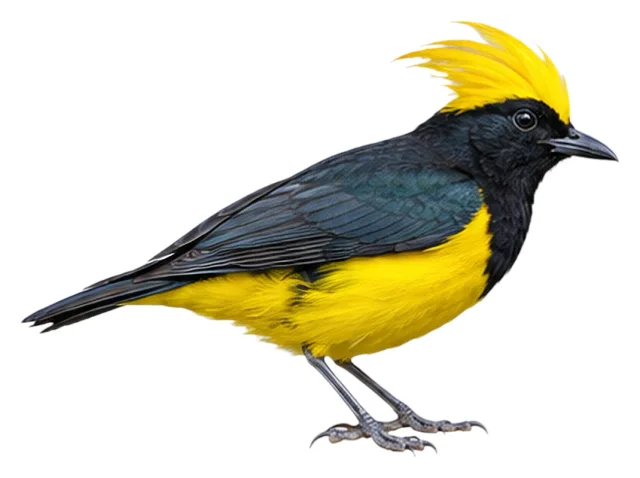
Parus majorA lively woodland and garden bird with a black head, pale cheeks and a yellow breast.
7124 / 11068
Illustration · non à l’échelle
- Masse corporelle
- 16.3 g
- Envergure
- 23 cm
- Alimentation
- Invertébrés
- Migration
- Sédentaire
⚔️ Analyse de Combat Écologique
Bec adapté et vivacité d'action taillés pour la compétition alimentaire dans son habitat naturel (ATQ 48).
Légèreté et plumage camouflé privilégiant l'esquive et la fuite rapide plutôt que l'encaissement de coups (DÉF 38).
* Ces textes interprètent des capacités de jeu, pas une force physique mesurée. Les scores utilisent masse, rareté et équilibrage ; les cartes d’origine gardent leurs valeurs manuelles.
Comment l’identifier
Start with the black head, pale cheeks and yellow-green plumage rather than size alone.
Espèces similaires
Les comparaisons précises ne sont pas disponibles. Les espèces apparentées ne sont pas forcément semblables.
Cris et chants
Marie-Lan Taÿ Pamart · Sources et crédits
🌍 Répartition et Habitat
16 · Sous-espèces et répartition
- Parus major newtoni
British Isles
- Parus major major
mainland Europe to w, sc Siberia, the Caucasus and Asia Minor
- Parus major kapustini
se Kazakhstan and nw China to Mongolia and e Siberia
- Parus major corsus
Portugal, s Spain and Corsica
- Parus major mallorcae
Balearic Is.
- Parus major excelsus
nw Africa
- Parus major ecki
Sardinia
- Parus major aphrodite
s Italy, s Greece, the Aegean Is. and Cyprus
- Parus major niethammeri
Crete
- Parus major terraesanctae
Syria to ne Egypt
- Parus major karelini
se Azerbaijan and nw Iran
- Parus major blanfordi
n Iraq, nc, sw Iran
- Parus major bokharensis
Turkmenistan and n Afghanistan to sc Kazakhstan and Uzbekistan
- Parus major turkestanicus
se Kazakhstan to sw Mongolia
- Parus major ferghanensis
Tajikistan and Kyrgyzstan to w China
- Parus major intermedius
ne Iran and sw Turkmenistan
Questions fréquentes
Quel est son nom scientifique ?
Parus major
À quelle famille appartient-elle ?
Tits, Chickadees (Paridae)
Où vit-elle ?
Palearctic: Western & Central EurAsia and Northern Africa
Sources et crédits
📖 Lire l'article complet sur Wikipédia- IOC World Bird List 15.2 ↗
- AVONET ↗
- Crédits de l’illustration ↗ · huashu-bird-sticker · PolyForm-Shield-1.0.0
- Référence de l’illustration ↗ · Frank Vassen from Brussels, Belgium · CC BY 2.0
Field identification notes
Great Tit identification: dark head, pale cheeks and repeated two-note song.
- Identification
- Start with the black head, pale cheeks and yellow-green plumage rather than size alone.
- Where to look
- Look in woodland and gardens; winter flocks may include other tit species.
- Comparison points
- Check each bird's head pattern in mixed flocks instead of assigning the entire flock one identity.
- Observation tip
- Match repeated two-note phrases to a visible bird and confirm with plumage.
Compare another species: Mésange bleue
Source checked 2026-11-02: RSPB · Great Tit. Regional observations in the source are not global population assessments.