Moineau domestique
Moineau domestique · BirdGacha
9589 / 11068
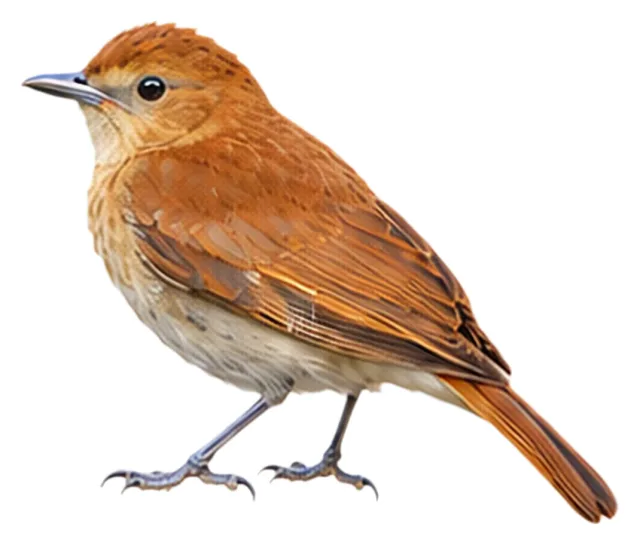
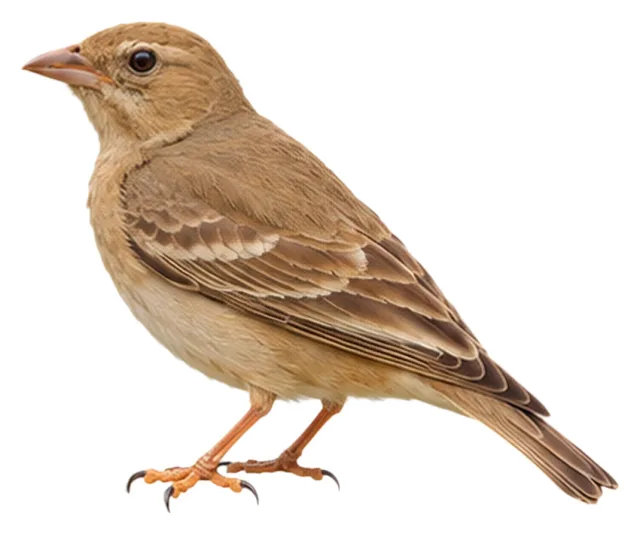
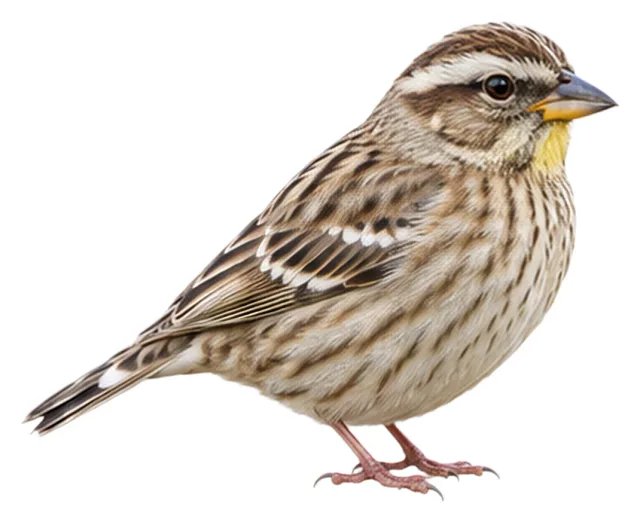
Illustration · non à l’échelle
- Longueur
- 16 cm
- Masse corporelle
- 26.5 g
- Envergure
- 23.45 cm
- Alimentation
- Graines
- Migration
- Sédentaire
⚔️ Analyse de Combat Écologique
Bec adapté et vivacité d'action taillés pour la compétition alimentaire dans son habitat naturel (ATQ 75).
Légèreté et plumage camouflé privilégiant l'esquive et la fuite rapide plutôt que l'encaissement de coups (DÉF 49).
* Ces textes interprètent des capacités de jeu, pas une force physique mesurée. Les scores utilisent masse, rareté et équilibrage ; les cartes d’origine gardent leurs valeurs manuelles.
Comment l’identifier
Les critères détaillés ne sont pas encore disponibles. Consultez les sources liées.
Espèces similaires
Les comparaisons précises ne sont pas disponibles. Les espèces apparentées ne sont pas forcément semblables.
Cris et chants
Philippe_Grange · Sources et crédits
🌍 Répartition et Habitat
12 · Sous-espèces et répartition
- Passer domesticus domesticus
w, n Europe through n Asia to ne Siberia and n Japan, introduced in the Americas, South Africa and Australia
- Passer domesticus balearoibericus
s Europe (except Italy) to c Turkey
- Passer domesticus biblicus
Cyprus, n Israel and nw Jordan to w Syria and se Turkey to nw Iran
- Passer domesticus hyrcanus
se Azerbaijan and n Iran
- Passer domesticus persicus
c Iran to w, s Afghanistan
- Passer domesticus indicus
s Israel and s Palestine through Arabia and e to India and c se Asia
- Passer domesticus bactrianus
w Turkmenistan and ne Iran to w China and nw Pakistan
- Passer domesticus parkini
nw, c Himalayas
- Passer domesticus hufufae
ne Arabia
- Passer domesticus tingitanus
nw Africa
- Passer domesticus niloticus
Egypt
- Passer domesticus rufidorsalis
Sudan and Eritrea
Questions fréquentes
Quel est son nom scientifique ?
Passer domesticus
À quelle famille appartient-elle ?
Old World Sparrows, Snowfinches (Passeridae)
Où vit-elle ?
Palearctic & Oriental & Africa: mainly subarctic to subtropical Palearctic and Oriental region in anthropogenic habitats: Faroe and British Isles & Northern Scandinavia Eastern through subarctic Russia to Kamchatka; in Southern through Iberian Pen. & Northern Africa including Nile Valley & Northern Eritrea & Arabian Pen. & India and Sri Lanka & through Northern & Central Southeastern Asia; introduced nearly worldwide
Sources et crédits
📖 Lire l'article complet sur Wikipédia- IOC World Bird List 15.2 ↗
- AVONET ↗
- Longueur: Wikipedia ↗
- Crédits de l’illustration ↗ · huashu-bird-sticker · PolyForm-Shield-1.0.0
- Référence de l’illustration ↗ · Rhododendrites · CC BY-SA 4.0