ツバメ
ツバメ · BirdGacha
ツバメ
Hirundo rusticaA fork-tailed aerial insect hunter, sweeping over fields before returning to a sheltered nest.
7482 / 11068
イラスト・縮尺は一定ではありません
- 全長
- 17–19 cm
- 成鳥の体重
- 17.9 g
- 翼開長
- 32 cm
- 食性
- 無脊椎動物
- 渡り
- 渡り鳥
⚔️ 生態戦闘力メカニズム解説
環境に適応進化した嘴と俊敏な機動力により、自らの生態的ニッチでの採食競争を有利に進めます (攻撃 38)。
軽量中空の体躯と保護色を活かし、装甲で受けるのではなく俊敏な変向と回避で天敵を翻弄します (防御 20)。
* 説明はゲーム能力の解釈であり、実測の身体能力ではありません。生成値には体重・レア度・調整ルールを使い、既存カードは手動設定値を維持します。
見分け方
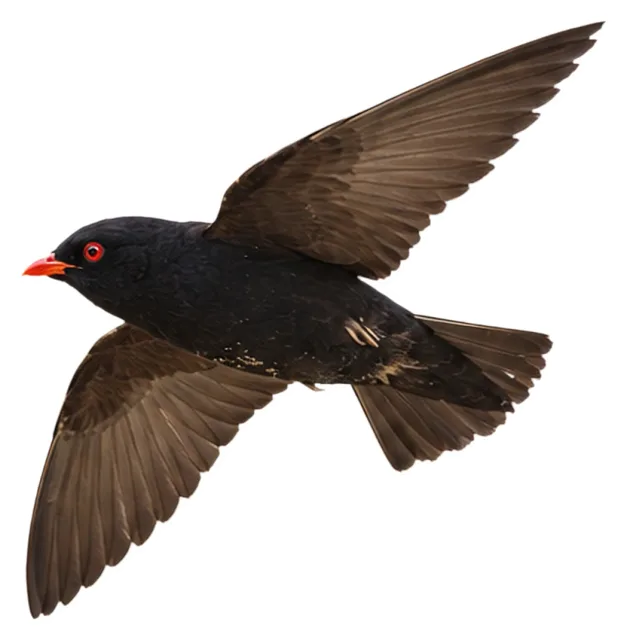
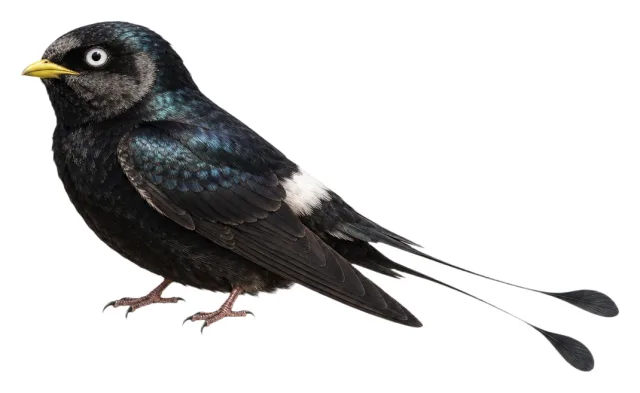
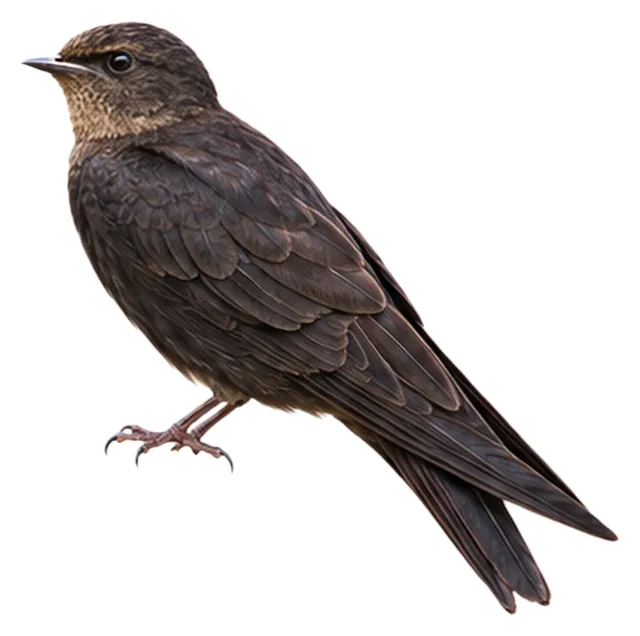
Combine glossy dark upperparts, a reddish throat and long tail streamers; juveniles have shorter tails.
似ている鳥
種ごとの比較情報は準備中です。近縁種が外見も似ているとは限りません。
鳴き声とさえずり
Marie-Lan Taÿ Pamart · 出典とクレジット
🌍 生息地と地理的分布
8 · 亜種と分布
- Hirundo rustica rustica
Europe, w, c Asia and n Africa
- Hirundo rustica savignii
Egypt
- Hirundo rustica transitiva
Lebanon, Syria, Israel and Jordan
- Hirundo rustica tytleri
sc Siberia
- Hirundo rustica gutturalis
e Himalayas to Korean Pen. and Japan, e, s China and Taiwan
- Hirundo rustica saturata
e Siberia
- Hirundo rustica mandschurica
ne China
- Hirundo rustica erythrogaster
Alaska, Canada and the USA to s Mexico
よくある質問
学名は何ですか?
Hirundo rustica
どの科に属しますか?
Swallows, Martins (Hirundinidae)
どこに分布しますか?
Worldwide: Eurasia and North America
出典とクレジット
📖 ウィキペディアで詳細な学術記録を読む- IOC World Bird List 15.2 ↗
- AVONET ↗
- 全長: Wikipedia ↗
- イラストの出典 ↗ · huashu-bird-sticker · PolyForm-Shield-1.0.0
- イラストの参考資料 ↗ · Andreas Trepte · CC BY-SA 2.5
Field identification notes
Barn Swallow or House Martin? Compare the throat, tail and rump.
- Identification
- Combine glossy dark upperparts, a reddish throat and long tail streamers; juveniles have shorter tails.
- Where to look
- Watch aerial feeding over open country and water; use local records for migration timing.
- Comparison points
- Against House Martin, check for its contrasting white rump; aerial insect hunting alone is not diagnostic.
- Observation tip
- Follow several passes to compare rump, throat and tail, rather than relying on one blurred image.
Compare another species: Western House Martin
Source checked 2026-11-02: RSPB · Barn Swallow. Regional observations in the source are not global population assessments.