pardal-de-telhado
pardal-de-telhado · BirdGacha
9589 / 11068
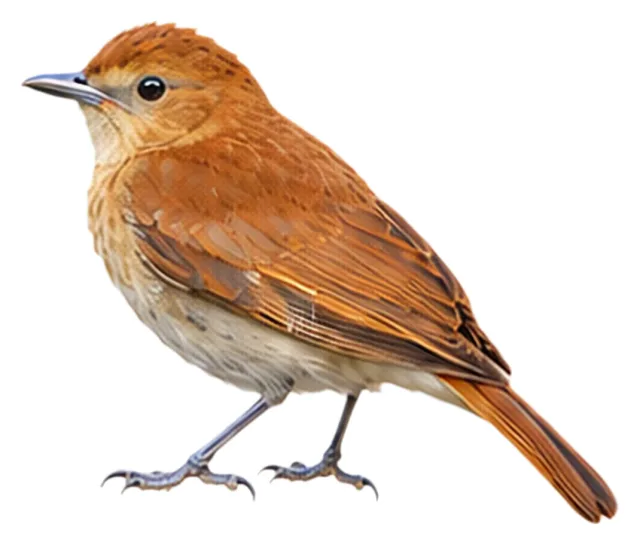
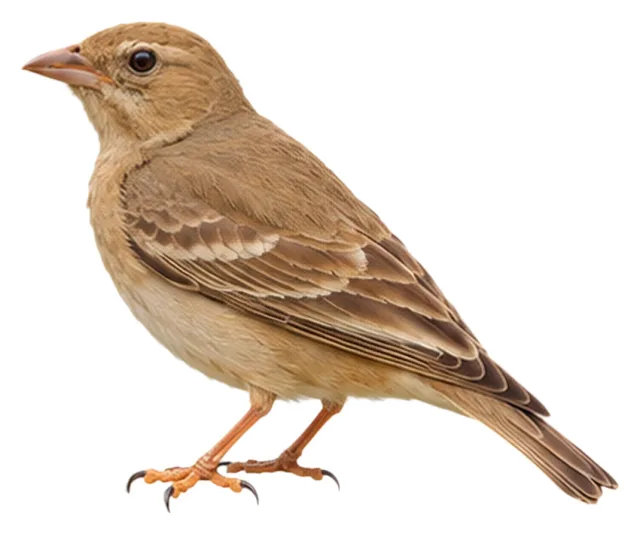
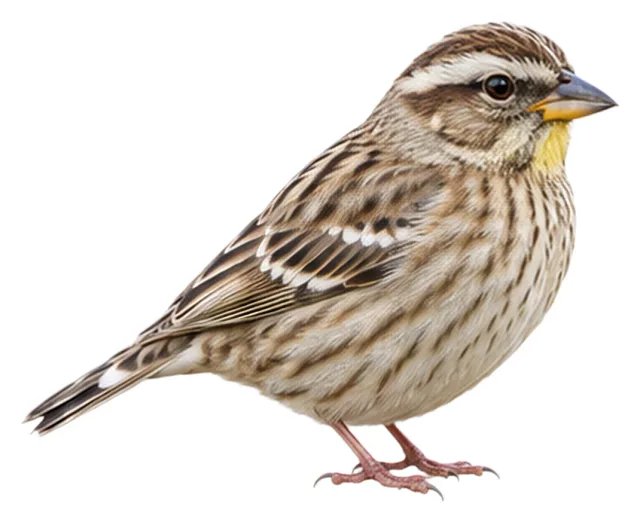
Ilustração · sem escala
- Comprimento
- 16 cm
- Peso Corporal
- 26.5 g
- Envergadura
- 23.45 cm
- Dieta
- Sementes
- Migração
- Residente
⚔️ Análise de Combate Ecológico
Bico adaptado e agilidade acelerada perfeitamente calibrados para competição e forrageamento em seu nicho ecológico (ATQ 75).
Estrutura leve e camuflagem protetora que favorecem manobras rápidas e evasão em vez de absorção de dano bruto (DEF 49).
* Os textos interpretam habilidades do jogo, não força física medida. As pontuações usam massa, raridade e regras de equilíbrio; cartas originais mantêm valores manuais.
Como identificar
As características detalhadas ainda não estão disponíveis. Consulte as fontes indicadas.
Espécies semelhantes
As comparações específicas ainda não estão disponíveis. Aves aparentadas não são necessariamente semelhantes.
Cantos e chamados
Philippe_Grange · Fontes e créditos
🌍 Distribuição e Habitat
12 · Subespécies e distribuição
- Passer domesticus domesticus
w, n Europe through n Asia to ne Siberia and n Japan, introduced in the Americas, South Africa and Australia
- Passer domesticus balearoibericus
s Europe (except Italy) to c Turkey
- Passer domesticus biblicus
Cyprus, n Israel and nw Jordan to w Syria and se Turkey to nw Iran
- Passer domesticus hyrcanus
se Azerbaijan and n Iran
- Passer domesticus persicus
c Iran to w, s Afghanistan
- Passer domesticus indicus
s Israel and s Palestine through Arabia and e to India and c se Asia
- Passer domesticus bactrianus
w Turkmenistan and ne Iran to w China and nw Pakistan
- Passer domesticus parkini
nw, c Himalayas
- Passer domesticus hufufae
ne Arabia
- Passer domesticus tingitanus
nw Africa
- Passer domesticus niloticus
Egypt
- Passer domesticus rufidorsalis
Sudan and Eritrea
Perguntas frequentes
Qual é o nome científico?
Passer domesticus
A que família pertence?
Old World Sparrows, Snowfinches (Passeridae)
Onde ocorre?
Palearctic & Oriental & Africa: mainly subarctic to subtropical Palearctic and Oriental region in anthropogenic habitats: Faroe and British Isles & Northern Scandinavia Eastern through subarctic Russia to Kamchatka; in Southern through Iberian Pen. & Northern Africa including Nile Valley & Northern Eritrea & Arabian Pen. & India and Sri Lanka & through Northern & Central Southeastern Asia; introduced nearly worldwide
Fontes e créditos
📖 Ler Artigo Completo na Wikipédia- IOC World Bird List 15.2 ↗
- AVONET ↗
- Comprimento: Wikipedia ↗
- Créditos da ilustração ↗ · huashu-bird-sticker · PolyForm-Shield-1.0.0
- Referência da ilustração ↗ · Rhododendrites · CC BY-SA 4.0