Seven of the Best Bird Songs to Hear at Least Once
From the Hermit Thrush’s clear opening whistle to the Superb Lyrebird’s mimicry, these seven recordings give you something different to listen for each time.
Hermit Thrush
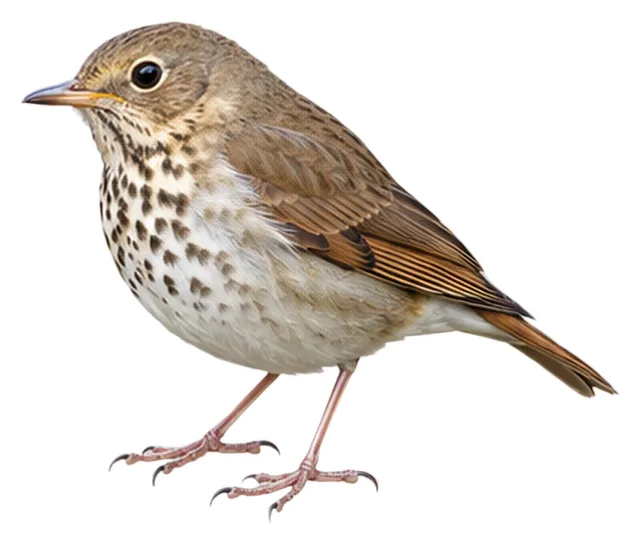
Catharus guttatus
Listen for one clear opening note followed by a softer cascade. As the bird repeats the pattern, the starting pitch changes, so several phrases are more revealing than one.
Compare two successive phrases rather than two isolated notes. The long first whistle gives your ear a reference point, so you can hear how the softer notes that follow sit above or below it. If the recorder picked up wind or insects, follow that sustained note through the background.
Wood Thrush
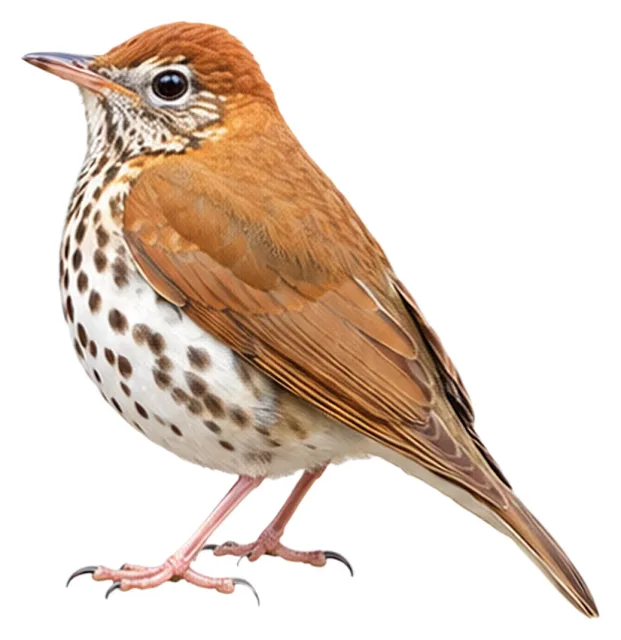
Hylocichla mustelina
The middle of the song often sounds like a short flute phrase. Keep listening for the delicate trill at the end, which can be easy to miss over background noise.
The last flourish has a physical explanation. Cornell’s Bird Academy shows that the Wood Thrush uses both sides of its vocal organ, the syrinx, in the final trill. Play the ending again with that in mind. What sounds like an echo can be part of the bird’s own performance.
Common Nightingale
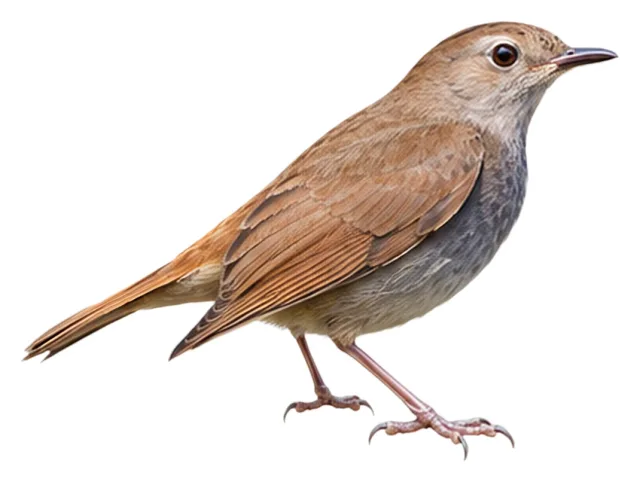
Luscinia megarhynchos
Listen for repeated whistles that grow louder, followed by quicker phrases. A stretch of quiet between phrases makes the next burst especially striking.
The whistles are easy to recognize, but the changes of pace are what make the recording worth a second listen. Tap along with one repeated note, then notice the moment the bird leaves that rhythm. The space between phrases is as useful for recognizing the pattern as the loudest note.
Superb Lyrebird
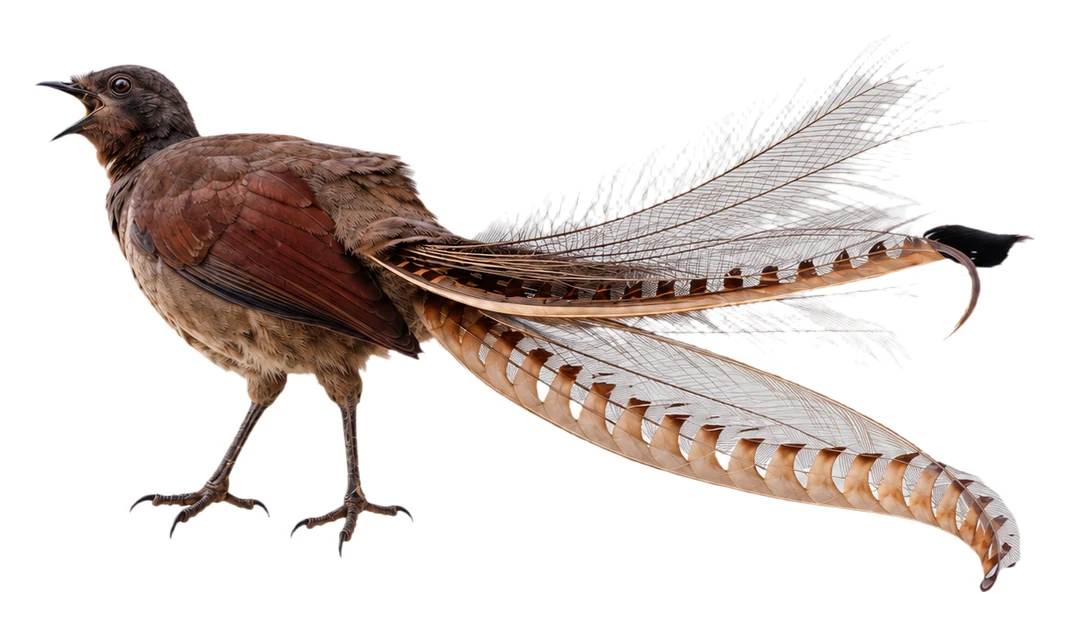
Menura novaehollandiae
Try to hear where one borrowed sound ends and the next begins. Its mimicry makes this a particularly good recording to replay.
BirdLife Australia describes a performance that mixes the lyrebird’s own sounds with imitations. A change in texture can be a better clue than a change in pitch. One phrase may sound smooth, while the next sounds scratchy or sharply cut off. The impression of several performers can come from a single bird.
Common Blackbird
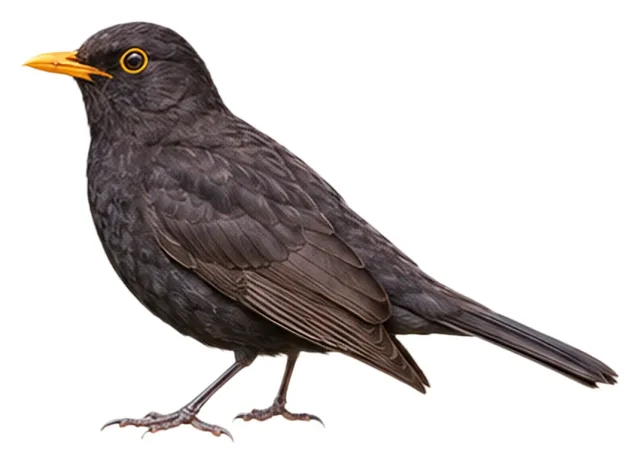
Turdus merula
Follow the rounded, flute-like notes into the thinner sounds at the end of the phrase. Leave the recording running through the pause so you can compare the next opening.
Song Thrush
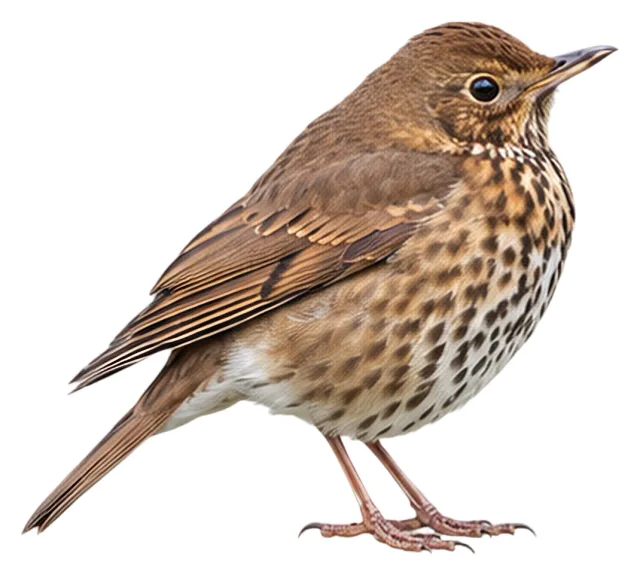
Turdus philomelos
Count how often a short phrase comes back before the singer switches to a different one. That habit is easier to spot on a second listen than the individual pitches.
White-throated Sparrow
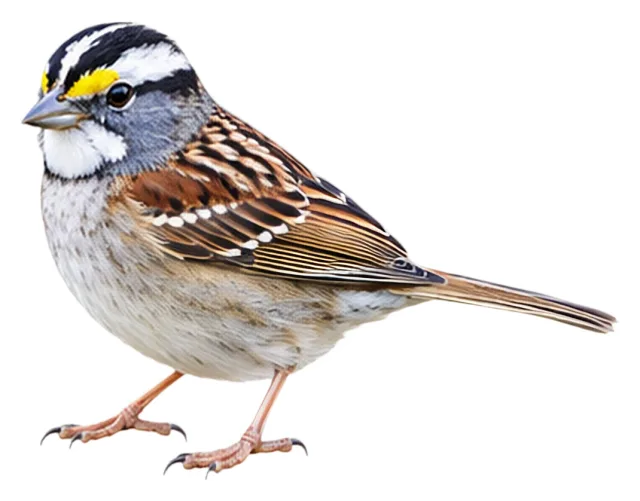
Zonotrichia albicollis
Listen for the small pitch change among the first whistles, then the clusters of repeated notes. Try humming just the opening and see if you can recognize it when the bird starts again.
A five-minute listening exercise
Listen once with the species names hidden. On a second pass, pick out the first note, any repeated motif, and the ending. Start with the two thrushes if you want to hear how differently related birds can phrase a song.
Give each recording three words of your own, such as clear, hurried, or layered. Then compare your notes before you look up a description. If you want to identify birds outdoors, start with a short phrase you can remember and note where and when you heard it. The recording archive gives you examples to compare without playing sounds back to wild birds.