Four Extinct Birds and What Happened to Them
The dodo, passenger pigeon, great auk, and Haast’s eagle all appear in BirdGacha. Their stories span an island in the Indian Ocean, North American forests, the North Atlantic, and Aotearoa New Zealand.
Dodo
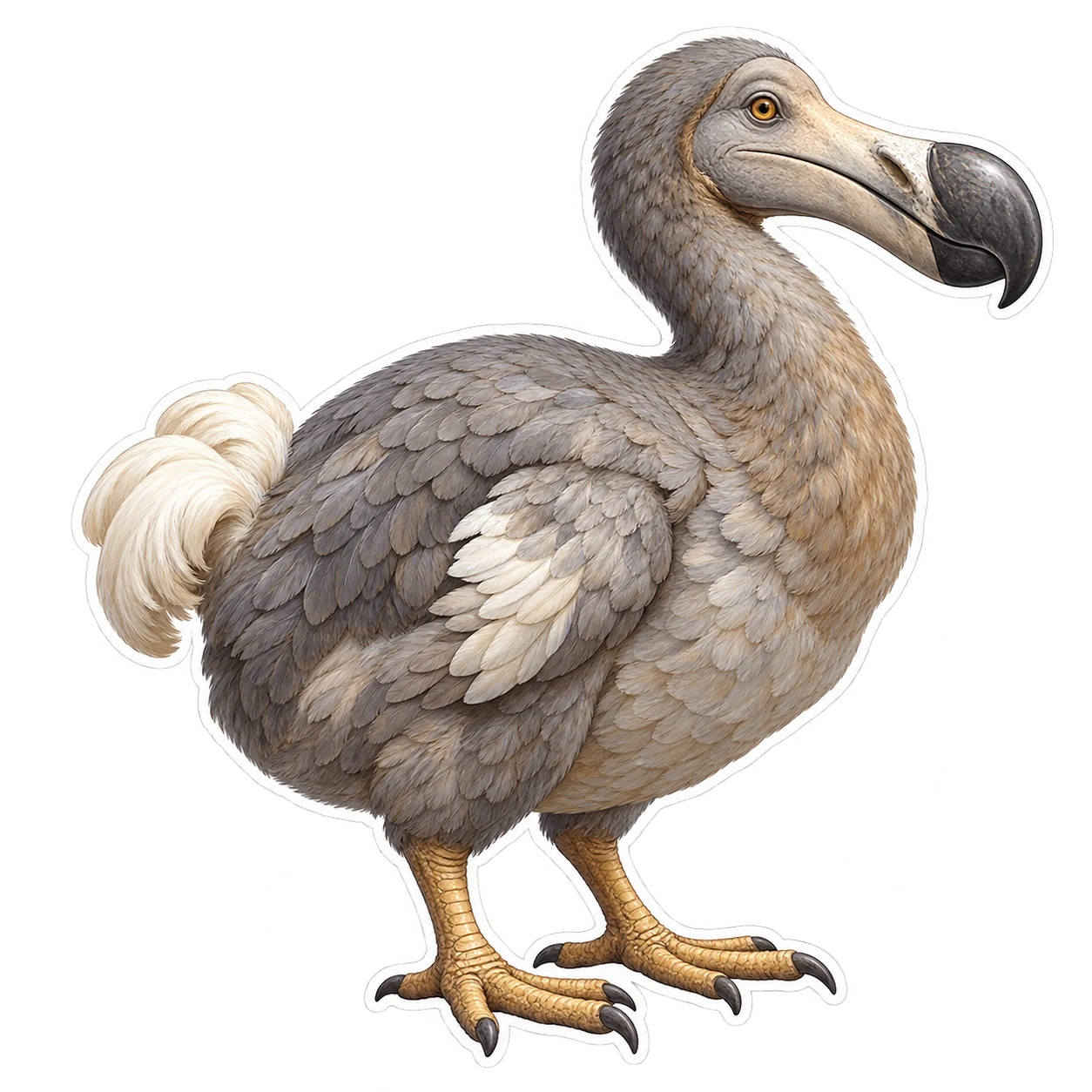
Raphus cucullatus
This flightless relative of pigeons lived on Mauritius. After people reached the island, introduced animals and human activity changed the conditions that had allowed it to thrive. It disappeared in the seventeenth century.
The dodo’s familiar silhouette comes from old illustrations and surviving remains. Those sources tell different parts of the story. A drawing can show how an observer imagined the bird’s posture, while bones give researchers a way to examine its actual build. The card is an illustration of that extinct species.
Passenger Pigeon
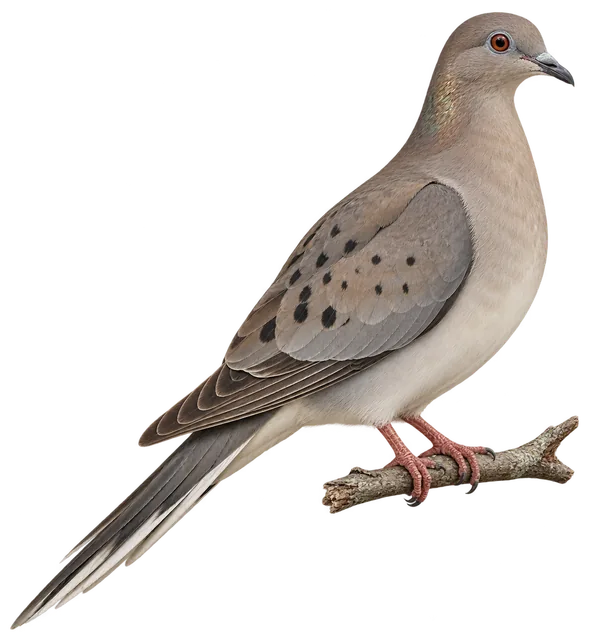
Ectopistes migratorius
North America once held enormous flocks. Commercial hunting and the loss of forests contributed to a rapid collapse. Martha, the last known individual, died at Cincinnati Zoo in 1914.
Large flocks made it possible to kill many birds at once. A head count taken while a species is abundant can also hide how quickly it is falling. In the museum collection, Martha is a preserved individual, which gives a definite end to the captive record even though the wild decline had begun much earlier.
Great Auk
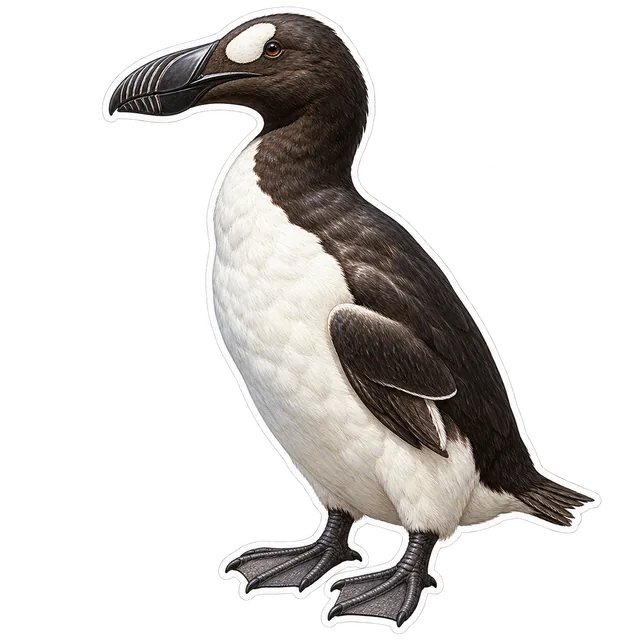
Pinguinus impennis
This flightless North Atlantic seabird was built for swimming. Its habit of gathering on land to breed made colonies vulnerable to hunters. As it became rarer, collectors also sought specimens and eggs.
The Smithsonian dates the killing of the last known pair to 1844. The phrase “last known” matters. It records the last individuals we can document. Earlier hunting pressure is the larger story, and the birds’ need to come ashore to breed helps explain why a strong swimmer could still be easy to reach.
Haast’s Eagle
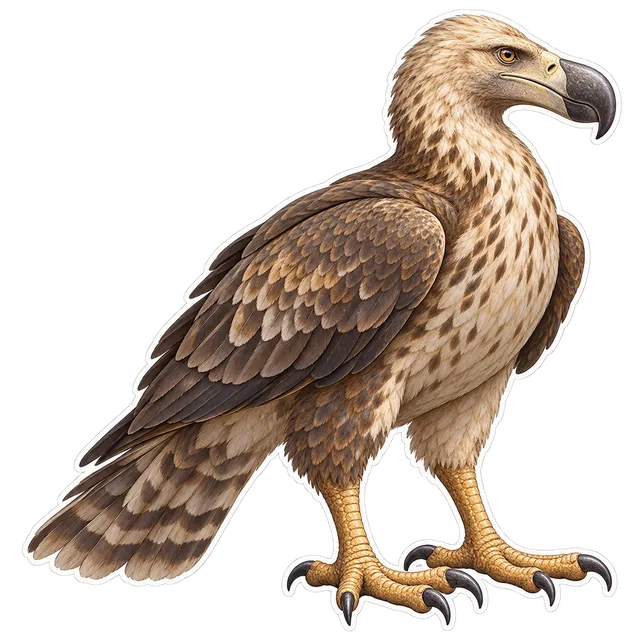
Hieraaetus moorei
This large New Zealand eagle preyed on moa. The disappearance of moa after human settlement removed its main prey, helping explain why the eagle vanished as well.
Near-complete skeletons let researchers examine the eagle’s feet, talons, and legs, and compare them with the bones of moa. The archaeological and fossil records provide different clues about the relationship. The timing of both extinctions, together with those clues, makes the loss of prey a leading explanation.
What these stories have in common
Large flocks and powerful predators can both be vulnerable. The passenger pigeon depended on habitat and a large population, while Haast’s eagle depended on prey. The cards preserve a way to discover those stories.
When a bird is known from illustrations, bones, specimens, or eyewitness records, ask what each piece of evidence can tell you. A mounted specimen preserves feathers. A skeleton can reveal anatomy. A dated zoo record can establish when a known individual died. Together they tell a fuller story than an extinction date alone.